

When my daughter completed her DofE Bronze Award, one of the things we learned very quickly was that there is a big difference between what might be useful on a DofE expedition and what you actually want to carry around on your back for two days!
Now that my son Ollie is preparing for his own DofE journey, I feel much better equipped to help him pack. We’ve already made some of the mistakes, worked out which bits of kit are worth spending a little more on and, perhaps most importantly, learned that lighter is usually better.
If you’re a parent supporting your child through the DofE Bronze Award and trying to work out what your teenager really needs for their Bronze DofE expedition, I’ve put together this practical DofE Bronze kit list based on our own experience, alongside the current DofE expedition guidance.
Before you start shopping, though, check the kit list provided by your child’s school, DofE Leader or expedition provider. Some equipment is supplied or shared between the group, so there’s no point spending money on something they don’t actually need to take themselves.
Editor’s note: This article was originally published in April 2025 and updated in August 2026 to reflect current DofE expedition guidance, along with what we’ve learned from supporting our children through their DofE journeys.
What Does Your Teen Need for a Bronze DofE Expedition?
A Bronze DofE expedition is a minimum of two days and one night, with at least six hours of planned activity each day.
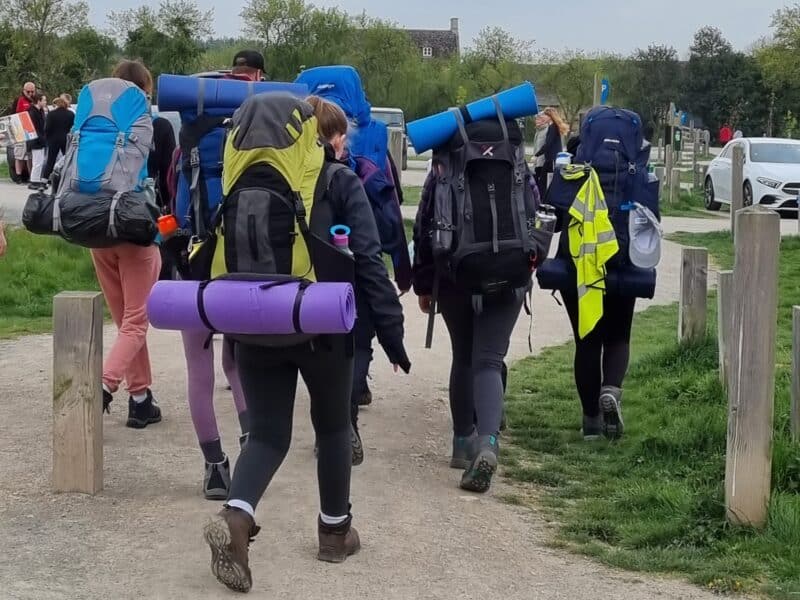
That means your teenager needs enough equipment to walk, eat, sleep and cope with the wonderful unpredictability of British weather while carrying most of what they need.
And that’s where the challenge comes in.
It’s very tempting as a parent to keep adding things “just in case”. I know I’m guilty of this! But everything you add has to be carried, potentially for hours at a time.
The aim isn’t to pack for every possible eventuality. It’s to make sure they have the essentials, that everything fits properly and that they know how to use what they’re carrying.
DofE Bronze Kit List at a Glance
Your child’s own expedition list should always take priority, but this is a useful starting point.
Clothing
- Waterproof jacket
- Waterproof trousers
- Walking trousers
- Quick-drying T-shirts or tops
- Warm fleece or mid-layer
- Base layer if appropriate for the weather
- Walking socks
- Underwear
- Warm hat
- Gloves
- Sun hat if appropriate
- Dry clothes to sleep in
Avoid jeans. They’re heavy, uncomfortable when wet and take a long time to dry.
I would also make sure the clothes they’re planning to sleep in are kept completely dry. After a long, potentially wet day of walking, having something warm and dry to change into can make a huge difference.
What Shoes Are Best for Bronze DofE?
Good footwear is probably one of the most important things to get right.
My daughter learned the hard way that new walking boots plus a long hike equals blisters.
Whatever footwear your teenager is taking needs to be comfortable and properly worn in before their expedition. Don’t save new boots for the big weekend because you don’t want them getting dirty!
The exact footwear required can depend on the terrain and the instructions from your expedition provider, so check their guidance before buying.
If they are wearing boots, encourage them to do several decent walks in them beforehand while wearing the same type of walking socks they intend to use for DofE.
Lightweight camp shoes can be lovely after spending all day in walking boots, but I’d put these firmly in the nice-to-have rather than essential category. If weight is already becoming an issue, they’re one of the things I’d consider leaving at home.
What Size Rucksack Does My Teen Need for Bronze DofE?
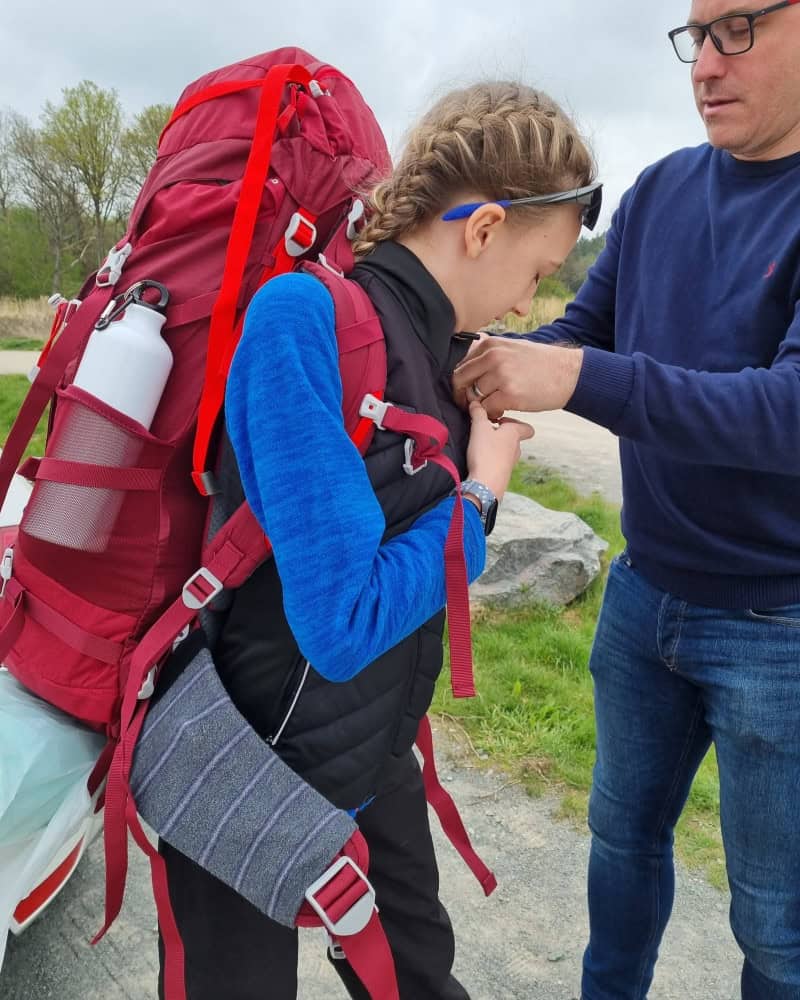
You’ll often see 50-65 litre rucksacks suggested for DofE expeditions, but don’t get too hung up on the number.
The fit is just as important as the capacity.
Both my daughter and Ollie are very slim, and getting a rucksack to sit comfortably around their hips wasn’t straightforward. We actually ended up using socks and sponges around the straps to improve the fit.
It might not have looked particularly sophisticated, but comfort matters when you’re carrying a loaded rucksack for hours!
When trying a rucksack, check:
- The hip belt sits comfortably and actually takes some of the weight.
- The shoulder straps aren’t digging in.
- The back length suits your teenager.
- They can move comfortably while wearing it.
- It still feels comfortable when loaded, not just when it’s empty.
If possible, take the actual kit along when buying or fitting a rucksack, or add some weight in the shop.
How Heavy Should a DofE Rucksack Be?
This is one of the questions I wish we’d thought about more the first time around.
DofE guidance gives around a quarter of the participant’s body weight as a guideline for a loaded expedition rucksack.
However, that’s a guide rather than a target. There’s no prize for getting their bag as close to that weight as possible!
The lighter you can sensibly keep it while still carrying everything required, the better.
Once everything is packed, weigh the rucksack at home.
Then take everything out and look at it again.
Do they really need three spare tops?
Do they need a full bottle of shampoo?
Could some food packaging be removed before they leave?
Are they carrying something another member of the group is already taking?
Our daughter definitely learned that things which seemed perfectly reasonable to pack at home felt much less necessary after carrying them for several hours.
How to Keep Everything Dry
Don’t assume that because the rucksack has a rain cover everything inside will stay dry.
I’d use a waterproof rucksack liner and/or individual dry bags to protect the things that really matter.
Pay particular attention to:
- Sleeping bag
- Sleeping clothes
- Spare socks
- Spare clothing
Even ordinary sturdy waterproof bags can help if you don’t want to spend a fortune on specialist dry bags.
The important thing is having something warm and dry available at the end of the day.
Sleeping Bag and Sleeping Mat
This was one area where we decided it was worth spending more money.
When you’re comparing sleeping bags, don’t just look at whether they’re described as “warm”. Check:
- Season rating
- Comfort temperature
- Weight
- Packed size
A huge sleeping bag might be wonderfully cosy at home but isn’t much fun when it takes up half the rucksack.
Your teenager will also need a lightweight sleeping or roll mat for insulation and comfort.
A pillow is optional. A small inflatable camping pillow weighs very little, but another easy option is simply stuffing some spare clothes into a soft bag or pillowcase.
Food and Cooking Equipment
Before buying cooking equipment, find out exactly what your child’s expedition provider supplies and what will be shared within the group.
Depending on the arrangements, they may need:
- Lightweight stove
- Fuel
- Mess tin or lightweight cooking pot
- Spork or lightweight cutlery
- Mug
- Water bottles
- Meals
- High-energy snacks
Food needs to provide plenty of energy without adding unnecessary weight.
Simple options such as pasta or noodle packets, porridge sachets and other easy-to-prepare meals can work well, alongside snacks they can eat while walking.
I’d also choose foods you already know your teenager will eat. An expedition probably isn’t the ideal time to discover that they hate the lightweight meal you’ve bought them!
How Much Water Should They Carry?
Your teenager needs enough capacity to carry the amount of water specified by their expedition provider.
Two litres is commonly suggested, but that doesn’t necessarily mean they will always need to start every section carrying exactly two litres. Water availability and refill arrangements vary between expeditions.
Follow the instructions given by their DofE Leader rather than guessing.
Reusable bottles or a hydration bladder can both work; the important thing is that your teenager actually remembers to drink.
Depending on what is supplied as group kit, they may need:
- Map
- Compass
- Headtorch
- Spare batteries
- Whistle
- Emergency survival bag
- First-aid supplies as instructed
- Any personal medication
A headtorch is much more practical than relying on a phone torch because it keeps both hands free.
Again, check the school’s list before buying everything. Maps, compasses and first-aid equipment may be provided or shared.
Toiletries: Keep It Minimal
Nobody needs their full bathroom cabinet for one night of camping.
Keep toiletries small and simple:
- Toothbrush
- Travel-size toothpaste
- Small amount of toilet paper in a waterproof bag
- Hand sanitiser
- Small pack of wet wipes if appropriate
- Sun cream
- Lip balm
- Insect repellent if required
- Period products if needed
Decant products into small travel containers where possible rather than carrying full-size bottles.
This is why I would never buy all the kit before speaking to the school or expedition provider.
Depending on how the expedition is organised, group equipment may include things such as:
- Tent
- Stove
- Fuel
- Maps
- Compass
- Group first-aid equipment
- Emergency equipment
Tents are normally shared between team members, so your teenager shouldn’t be carrying an entire tent unnecessarily if the different parts can be divided between them.
Find out what is supplied and how the group equipment will be distributed before you finish packing.
It could save both money and rucksack weight.
What NOT to Pack for Bronze DofE
This is almost as important as the kit list itself.
It’s easy to fall into the trap of packing for every possible scenario, especially when you’re the parent staying comfortably at home!
Things I’d think twice about include:
- Too many changes of clothes
- Full-size toiletries
- Large towels
- Heavy food packaging
- Too much food
- Large pillows
- Unnecessary gadgets
- Multiple pairs of shoes
- Anything being packed purely because “it might be useful”
Ask one simple question:
Is this useful enough to justify carrying it for two days?
If the answer is no, leave it behind.
Essential vs Nice-to-Have DofE Kit
There are also things which can make the expedition more comfortable without being essential.
Depending on the weight of their rucksack, these might include:
- Lightweight camp shoes
- Tiny inflatable pillow
- Small sit mat
- A few favourite snacks
I’d get all the essentials packed first, weigh the rucksack and then decide whether there’s room for the extras.
Practise Before the Expedition
One of the best things you can do doesn’t involve buying anything.
Get your teenager to practise.
Before the real expedition, encourage them to:
- Walk a reasonable distance in their boots.
- Wear their loaded rucksack on a practice walk.
- Pack the rucksack themselves.
- Put up and take down the tent.
- Practise using the stove safely.
- Use a map and compass.
- Work out where everything is stored in their bag.
And yes, they should pack their own rucksack.
It’s tempting to do it for them because we’re quicker at it, but they’ll be the one who needs to find everything when they’re standing in a field without us.
You can always supervise and help them afterwards.
How to Save Money on DofE Kit
DofE can start to feel expensive very quickly if you’re buying everything from scratch.
But your teenager doesn’t need a rucksack full of premium outdoor brands to complete Bronze.
Before buying anything, consider:
Borrowing: Ask family and friends. Lots of people have sleeping bags, rucksacks and camping equipment sitting unused in cupboards.
School equipment: Find out what your child’s school or expedition provider can lend.
Buying second-hand: Rucksacks and other camping equipment can often be found in excellent condition second-hand. I’d be more cautious with footwear because fit is so important.
Hiring: If this is likely to be their only expedition, hiring specialist equipment can make more sense than buying it.
DofE Card: Participants can use their DofE Card for discounts with participating outdoor retailers, so check the current offers before buying expensive items.
We spent more on our daughter’s sleeping bag because warmth, weight and packed size were important to us, but that doesn’t mean every item needs to be expensive.
Spend the money where it actually makes a difference.
Our Biggest DofE Kit Lessons as Parents
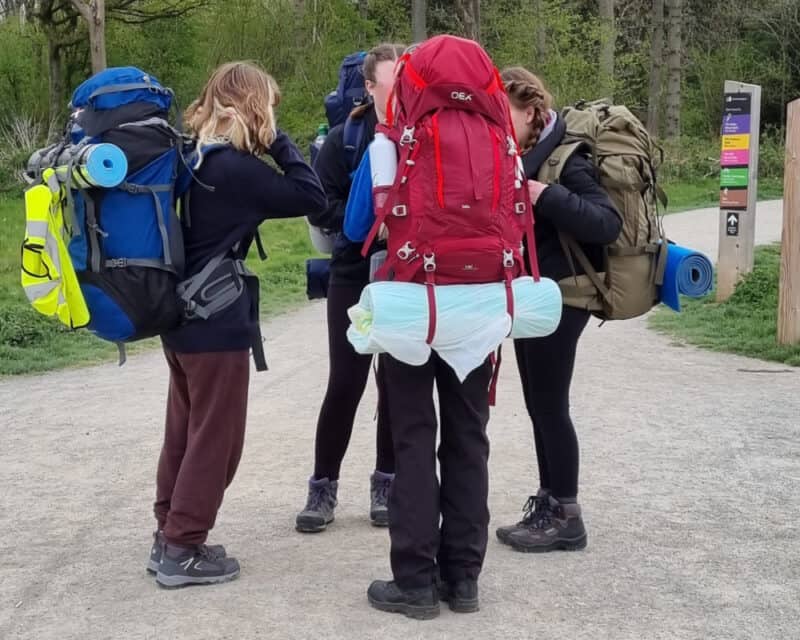
Having already supported one child through Bronze and now preparing Ollie, these are probably the things I’d tell another parent:
Don’t buy everything immediately. Wait until you’ve seen exactly what the school provides.
Fit matters more than brand. This is particularly important with boots and rucksacks.
Break the boots in. Seriously. Don’t learn this lesson the painful way!
Protect the sleeping bag and sleeping clothes from rain. A dry set of clothes at the end of a wet day is priceless.
Weigh the finished rucksack. It’s surprising how quickly lots of small “just in case” items add up.
Let your teenager do the packing. They need to know where everything is.
Practise carrying it. Finding out the rucksack rubs after ten minutes is much better than discovering it two hours into the expedition.
And finally, don’t panic.
It can feel like there’s an enormous amount to organise when that kit list first comes home, but once you divide it into sections and work out what you already own, what you can borrow and what the school supplies, it becomes much more manageable.
Printable DofE Bronze Packing Checklist
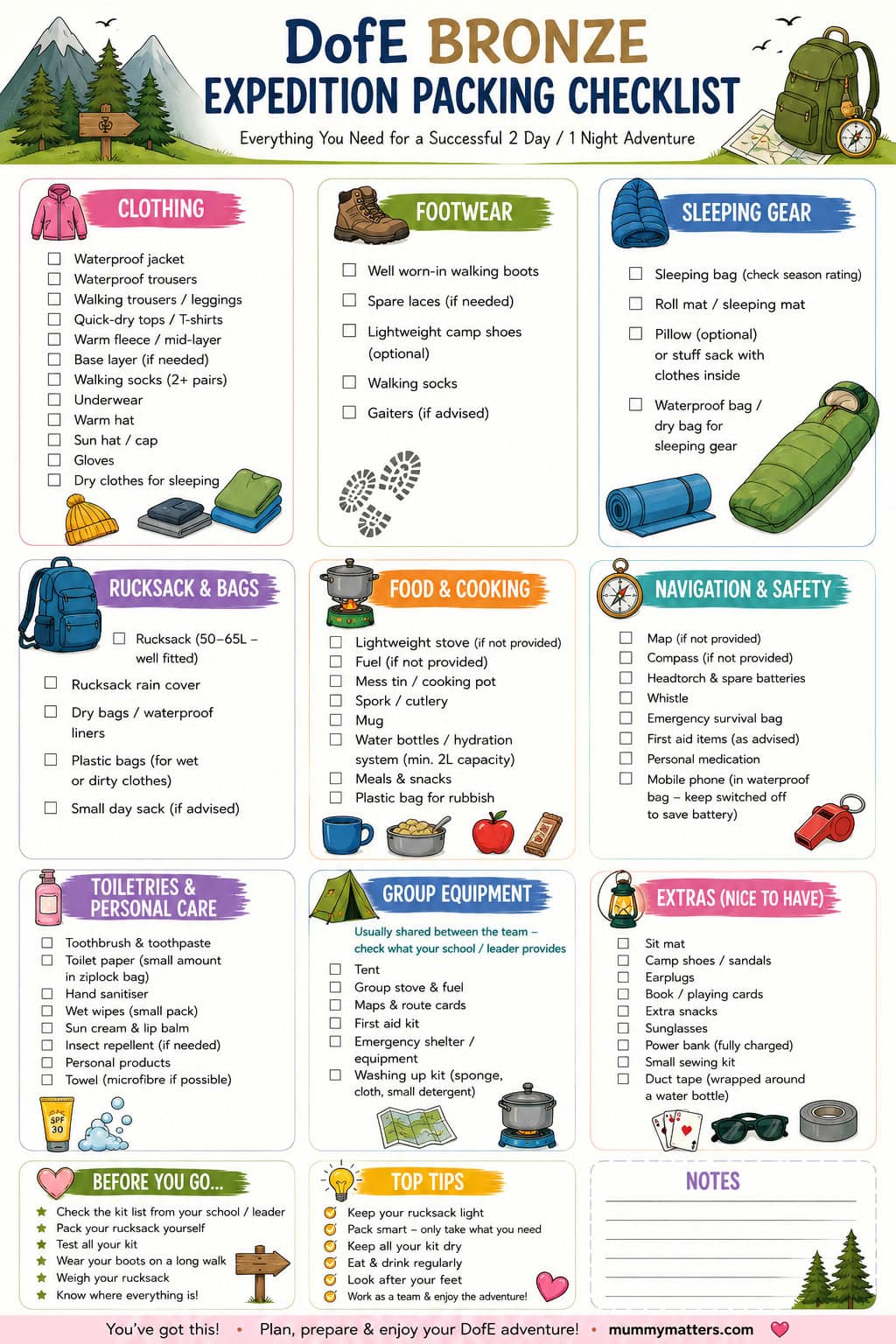
Use this alongside the kit list supplied by your child’s DofE Leader.
Clothing
- Waterproof jacket
- Waterproof trousers
- Walking trousers
- Quick-drying tops
- Warm fleece/mid-layer
- Base layer if required
- Walking socks
- Underwear
- Dry sleeping clothes
- Hat
- Gloves
- Sun hat if required
Footwear
- Broken-in walking boots/shoes
- Spare laces if required
- Lightweight camp shoes – optional
Sleeping
- Sleeping bag
- Sleeping mat
- Pillow – optional
- Waterproof bag for sleeping equipment
Rucksack
- Properly fitted rucksack
- Waterproof liner/dry bags
- Rain cover if using one
Food and Drink
- Water bottles/hydration system
- Meals
- Snacks
- Mug
- Spork/cutlery
- Cooking equipment as instructed
- Headtorch
- Spare batteries
- Whistle
- Map if required
- Compass if required
- Emergency survival bag
- First-aid items as instructed
- Personal medication
Toiletries
- Toothbrush
- Toothpaste
- Toilet paper
- Hand sanitiser
- Sun cream
- Lip balm
- Period products if required
- Insect repellent if appropriate
Before They Leave
- Check the school’s final kit list
- Check what group equipment is provided
- Break in walking footwear
- Practise carrying the loaded rucksack
- Weigh the finished rucksack
- Practise putting up the tent
- Practise using the stove
- Make sure your teenager knows where everything is packed
Final Thoughts
Having supported our daughter through her Bronze DofE expedition, I feel much better prepared now that it’s Ollie’s turn.
The biggest lesson we’ve learned is that more kit doesn’t necessarily mean better prepared.
I’d concentrate on getting the important things right: comfortable footwear, a properly fitted rucksack, good waterproofs, a warm sleeping bag and dry clothes – and then keep everything else as simple and lightweight as possible.
Your teenager doesn’t need the most expensive DofE kit available. They need equipment that fits, keeps them warm and dry, and that they actually know how to use.
If you’re preparing for Bronze DofE for the first time, you might also find my DofE Bronze: A Parent’s Guide to Supporting Their Child useful, where I’ve shared more of what we’ve learned about helping teenagers through the whole Bronze Award rather than just the expedition.
And if you’ve already survived the DofE packing stage, I’d love to know: what was the one thing your teenager was really glad they packed – and what did they take that they absolutely didn’t need?
Frequently Asked Questions
What size rucksack do you need for Bronze DofE?
Around 50–65 litres is commonly recommended, but fit is just as important as capacity. Your teenager should try the rucksack loaded and make sure the hip belt and shoulder straps fit comfortably.
How heavy should a Bronze DofE rucksack be?
DofE guidance uses around a quarter of the participant’s body weight as a guideline. Treat this as a guide rather than a target and keep the rucksack as light as reasonably possible while carrying all required equipment.
Do you need walking boots for Bronze DofE?
Suitable footwear depends on the terrain and the requirements of your expedition provider. Whatever your teenager wears should fit properly and be thoroughly worn in before the expedition.
Does DofE provide tents and camping equipment?
This varies between schools and expedition providers. Tents, stoves, maps and other group equipment may be provided or shared, so check before buying anything.
How many litres of water do you need for DofE?
Follow the instructions from your expedition provider because refill opportunities vary. Your teenager should have sufficient water-carrying capacity for their particular route and conditions.