
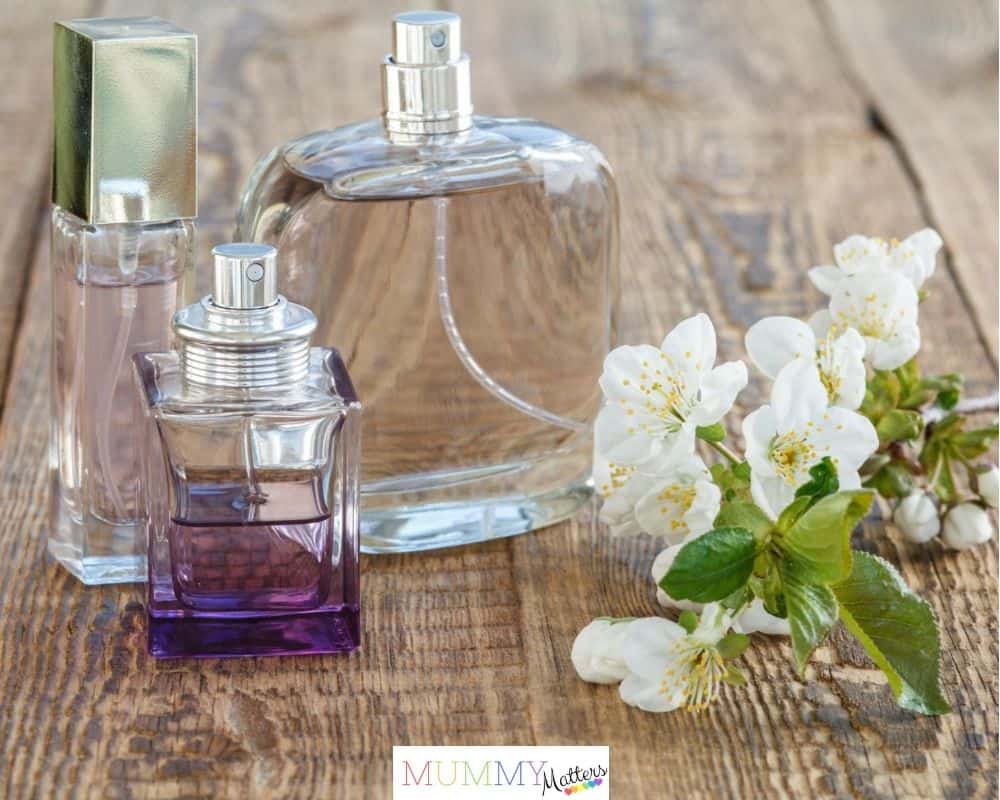
Catch a stranger’s perfume on the street and suddenly you’re somewhere else entirely — a memory, a person, a moment you hadn’t thought about in years. Scent does that. Clothes get noticed, sure. But a fragrance burrows into identity at a different depth — something a jacket simply never manages. Your signature scent arrives before you do; people register it before you’ve opened your mouth. And while a jacket dates itself by spring, the right fragrance just keeps being yours. Season after season. Trend after trend.
Understand Your Scent Preferences
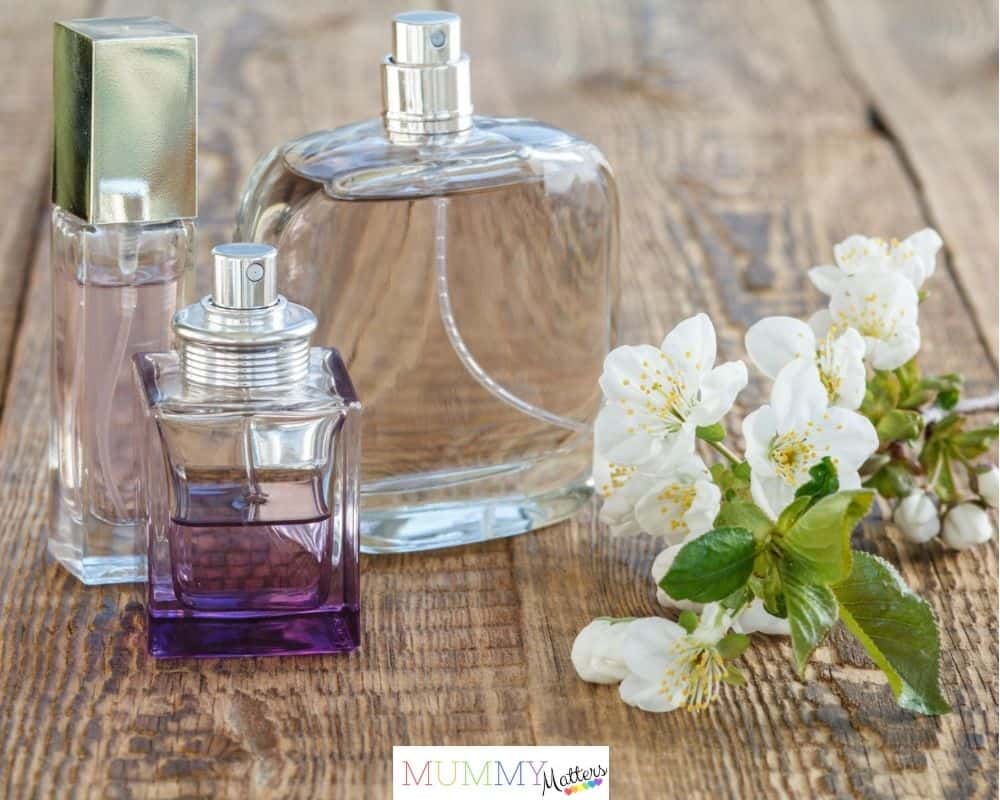
Don’t touch a single tester strip until you’ve done some homework on yourself. What smells actually stop you mid-step? Fresh citrus cutting through a market stall. Vanilla rising off a hot oven. The thick, wet smell of forest after rain. Notice which candles you repurchase on autopilot, which body wash your hand finds every single morning, which flowers you actually turn your head for on the street. Those aren’t accidents — they’re data. They point, pretty directly, toward which fragrance families will feel like yours and which will just sit wrong on your skin. Keep a loose mental list. Maybe a physical one. That list becomes the filter that saves you from burning hours sniffing things you’d never actually wear.
Know the Fragrance Categories
Fragrances aren’t all built the same. Concentration changes everything — longevity, projection, price. Eau de cologne sits at the lightest end; one to two hours, maybe. Eau de toilette is moderate — three to four hours — and handles daily wear without punishing your wallet. Eau de parfum runs six to eight hours or longer. And parfum, pure perfume, is the most concentrated form available. It lingers.
Why does this matter? Because your life probably has specific demands. Evening-only wearer? Eau de toilette might be plenty. Long days in back-to-back meetings? You’ll want the staying power of an eau de parfum. Fragrance houses carrying the best perfumes and colognes usually offer a single scent across several concentration tiers — so you can pit them against each other on performance and price before committing to a full bottle.
Test Fragrances Properly
Here’s where most people go wrong. They spritz three things at once, sniff immediately, decide. That’s not testing — that’s guessing. Apply one fragrance to your wrist or inner elbow. Then wait. Fifteen minutes minimum. The top notes that hit you first burn off fast; the heart and base notes underneath are what you’ll actually be smelling at hour four. Fabric distorts things too, so skin is the only honest surface. One or two fragrances per outing, tops — any more and they blur into something unreadable. Never buy in-store on first impressions, either. A scent that dazzles under fluorescent lights can smell completely different at home after a full day of wear.
Consider Your Lifestyle and Climate
A fragrance doesn’t exist in a vacuum. It lives in your actual life. Corporate office? Heavy orientals might overwhelm the conference room; something quieter and cleaner serves you better. Creative studio with no dress code? Bold choices land differently there. Climate matters too — heat amplifies projection dramatically, cold mutes it. Warm-climate dwellers often find that thick, rich scents feel almost claustrophobic in summer. Lighter and fresher tends to work better when the temperature climbs. And think about your body. Someone logging gym hours daily needs something that plays well with sweat and movement — a heavy floral is just going to fight it.
Commit to Testing Over Time
Patience. That’s the part nobody wants to hear. But a signature scent deserves more than one afternoon. Most fragrance retailers sell sample vials — take them home. Wear the scent on a Tuesday. A Friday night. A Saturday morning run. Notice how it shifts across different temperatures and times of day. Does it fade gracefully or just disappear? Does it deepen into something you love, or does it turn into something you’d rather scrub off? Some fragrances that smell promising in-store feel overpowering by noon. Others that seemed subtle bloom beautifully with body heat. You won’t know until you live in them for a few days. Skipping this step is how people end up with expensive bottles they never touch.
Conclusion
Finding your signature scent isn’t a quick errand. It’s part self-knowledge, part education, part patience. Learn what you’re naturally drawn to. Understand how concentration affects wear. Test on skin, not paper. Factor in your job, your climate, your habits. Do all that, and you stop guessing — you start choosing. The scent you land on will become part of how people carry you in memory. Worth getting right. Take the time to actually explore; the search itself tends to be more interesting than people expect.