
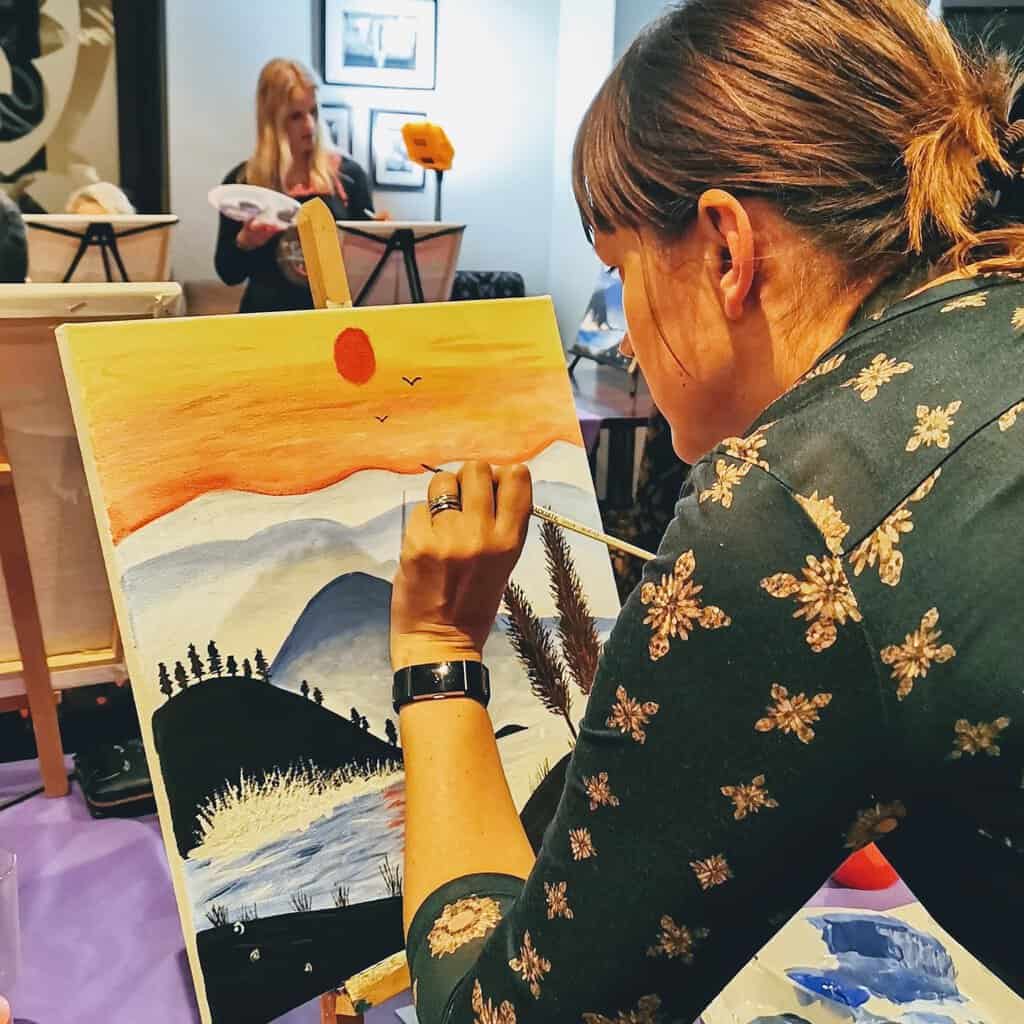
There’s something wonderfully satisfying about picking up a paintbrush and watching a blank canvas come to life. Whether you’re trying painting for the first time, rediscovering a childhood hobby or simply looking for a relaxing way to spend an afternoon, creating your own artwork can be a rewarding experience.
You don’t need to be naturally artistic or invest in expensive equipment to get started. From simple watercolour paintings and colourful acrylic designs to beginner-friendly paint-by-numbers kits, there are plenty of ways to explore your creativity at your own pace.
Painting is also a lovely way to enjoy some screen-free time, unwind after a busy day and create something personal. Whether you’re making artwork to display at home, giving a handmade gift or simply enjoying the process, every painting tells its own story.
In this guide, we’ll explore the benefits of painting as a hobby, five beginner-friendly painting techniques and some inspiring ideas to help you create your own masterpiece.
Why Painting Is Such a Relaxing Hobby
Life can feel incredibly busy, particularly when you’re juggling work, family commitments and everything else that fills your day. Finding time to switch off isn’t always easy, but painting offers a simple way to slow down and focus on something enjoyable.
Unlike scrolling through your phone or watching television, painting encourages you to concentrate on the task in front of you. Choosing colours, experimenting with brushstrokes and watching a picture gradually take shape can provide a welcome break from everyday distractions.
It’s also a wonderful way of replacing screen time with a hands-on activity, whether you’re enjoying some quiet time alone or getting creative with the family.
Can Painting Help Reduce Stress?
Creative activities such as painting may help people feel calmer and more relaxed. Focusing on colours, patterns and repetitive brush movements can encourage mindfulness, helping you concentrate on the present moment rather than worrying about your to-do list.
You don’t have to be particularly artistic to experience these benefits. In fact, one of the nicest things about painting as a hobby is that there are no expectations. Your artwork doesn’t need to be perfect, and there’s no pressure to produce something worthy of an art gallery.
Whether you spend 20 minutes experimenting with watercolours or an entire afternoon working on a canvas, painting gives you an opportunity to enjoy the creative process.
And when you’ve finished? There’s the added satisfaction of having made something entirely your own.
5 Types of Painting for Beginners
If you’ve never picked up a paintbrush before, knowing where to start can feel a little daunting. Fortunately, there are plenty of beginner-friendly painting techniques that don’t require expensive equipment or previous experience.
Whether you enjoy following instructions or prefer experimenting with colours and designs, these five types of painting offer a great introduction to creating your own artwork.
1. Acrylic Painting
Acrylic painting is an excellent choice for beginners because the paints are versatile, relatively affordable and quick to dry. You can use them on canvas, paper, wood and various other surfaces, making them ideal for experimenting with different creative projects.
Another advantage is that mistakes can often be covered with another layer of paint once the first has dried.
If you’re interested in exploring different ways to use acrylics, you might also enjoy discovering what you can create with Chakola acrylic paint markers.
2. Watercolour Painting
Watercolour painting is perfect for anyone who loves soft colours, delicate details and flowing designs. By mixing paint with water, you can create beautiful effects ranging from gentle washes of colour to more detailed illustrations.
Flowers, landscapes and simple nature scenes are particularly popular subjects for beginners.
Although watercolours can take a little practice to control, experimenting with different amounts of water and colour is all part of the fun.
3. Paint by Numbers
Paint by numbers kits provide a structured way to create art. Each section of the canvas is labeled with a number that matches a specific color. This makes it easy to complete a painting step by step, even without experience.
For someone starting their first painting project, choosing a design they genuinely enjoy can make the experience more rewarding. Paint-by-numbers kits from Nummora offer guided canvas projects for different interests, while personalised options let people turn favourite photographs into paintings. Whether the finished piece is intended for a wall or as a handmade gift, following the numbered sections gives beginners a practical way to create something meaningful.
4. Abstract Painting
If you prefer a more spontaneous approach, abstract painting allows you to experiment without worrying about creating a realistic picture.
You can explore different colours, shapes, textures and brushstrokes to produce artwork that reflects your personality.
Try using a limited colour palette, experimenting with different brush sizes or creating patterns with everyday objects such as sponges.
Abstract painting is particularly appealing because there are no right or wrong results. It’s all about enjoying the creative process.
5. Mandala Art
Mandala painting involves creating circular designs using repeating shapes, colours and patterns.
Many people enjoy this style because the repetitive nature of the designs can feel calming and absorbing.
Beginners can start with simple patterns using dots, circles and curved lines before gradually experimenting with more intricate designs.
You can create mandalas on paper, canvas, stones or wooden decorations, making this a versatile craft to explore.
Whichever painting technique appeals to you, remember that everyone starts somewhere. You don’t need to create a masterpiece on your first attempt. The important thing is to experiment, enjoy yourself and gradually build your confidence.
The Rewards of Creating Your Own Artwork
One of the most satisfying things about painting is watching something gradually come together. What begins as a blank canvas can become a colourful piece of artwork that reflects your creativity, personality and imagination.
Unlike some hobbies, painting leaves you with something tangible to enjoy long after you’ve finished. Whether you display your artwork at home, give it to someone special or simply keep it as a reminder of what you’ve achieved, there’s a real sense of satisfaction in creating something yourself.
Building Confidence Through Creativity
It’s easy to assume that painting is only for naturally artistic people, but creativity is something anyone can explore.
Starting with a simple project allows you to develop new skills without feeling overwhelmed. As you become more comfortable mixing colours, using different brushes and experimenting with techniques, you may find yourself feeling more confident about trying increasingly detailed designs.
Even paintings that don’t turn out quite as expected can teach you something new.
The important thing is to enjoy the experience rather than focus entirely on achieving a perfect result.
Turning Special Memories Into Artwork
Another lovely aspect of painting is the opportunity to create something personal.
For example, customised paint-by-numbers kits made from a favourite photograph allow you to recreate meaningful memories on canvas.
You could transform a family holiday photograph into a landscape painting, create a portrait of a beloved pet or capture a favourite place that holds special memories.
These personalised projects can make thoughtful handmade gifts, particularly for birthdays, anniversaries or Christmas.
Creating Artwork to Display at Home
There’s something special about decorating your home with artwork you’ve created yourself.
A colourful abstract painting can brighten a living room, while a delicate watercolour might look lovely in a bedroom or hallway.
You don’t need to spend a fortune on artwork to make your home feel personal. Sometimes, the pieces that mean the most are those you’ve spent time creating.
And even if your first painting isn’t quite what you imagined, it can still become a reminder of trying something new and making time for yourself.
Easy Things to Paint for Beginners: 6 Creative Ideas
One of the biggest challenges when starting a new creative hobby is deciding what to make. The good news is that inspiration is everywhere, and you don’t need an elaborate design to create something beautiful.
If you’re staring at a blank canvas wondering where to begin, here are six easy painting ideas to get your creativity flowing.
1. Nature and Landscapes
Nature provides endless inspiration for beginner painters. Think colourful sunsets, rolling hills, peaceful beaches or a simple woodland scene.
Start with basic shapes and a small selection of colours rather than attempting lots of intricate details.
A sunset is a particularly good beginner project because you can experiment with blending colours without worrying too much about precision.
2. Flowers and Plants
Flowers are a lovely subject for experimenting with different colours and brush techniques.
Try painting a simple daisy, a colourful tulip or a collection of wildflowers. You could even use a photograph from your garden as inspiration.
If you’re new to painting, begin with larger petals and simple shapes before moving on to more detailed botanical designs.
3. Animals and Pets
Painting an animal can be a wonderful way to create something personal.
You might choose a favourite woodland animal, a colourful butterfly or even your own family pet.
For beginners, simple animal silhouettes are a great starting point. As your confidence grows, you can experiment with adding details such as fur, feathers and facial features.
4. Favourite Places and Landmarks
Have you ever visited somewhere that you’d love to remember?
Painting a favourite holiday destination, local landmark or beautiful view can be a lovely way to capture those memories.
You don’t have to recreate every detail. Sometimes, a simple interpretation using your favourite colours can be just as meaningful.
5. Abstract Shapes and Patterns
If you’re looking for something completely pressure-free, abstract painting is a great choice.
Experiment with colourful circles, geometric shapes, flowing lines or textured brushstrokes.
You could even choose colours that complement a particular room in your home and create your own decorative canvas.
The beauty of abstract art is that there are no strict rules, making it ideal for exploring your creativity.
6. Everyday Objects and Still Life
You don’t need to look far for painting inspiration. Everyday objects can make surprisingly interesting subjects.
Try arranging a few pieces of fruit, a favourite mug or a small vase of flowers on a table.
Start by concentrating on the basic shapes and colours rather than trying to reproduce every detail.
Still-life painting is also a useful way to practise observing light, shadows and proportions as your skills develop.
A Simple Tip for Your First Painting
If you’re feeling unsure where to begin, choose something that genuinely interests you and keep your first project small.
An A5 sheet of watercolour paper or a small canvas is often less intimidating than a large blank surface.
Remember, the goal isn’t to create a perfect painting. It’s to enjoy learning something new and discover which creative techniques you find most rewarding.
Start Your Creative Journey with Painting
Painting is one of those hobbies that anyone can enjoy, regardless of age, experience or artistic ability. Whether you’re experimenting with watercolours, trying acrylic painting or following a paint-by-numbers kit, there’s something wonderfully rewarding about creating artwork with your own hands.
The beauty of painting is that you can make it entirely your own. You might enjoy a quiet afternoon painting by yourself, turn it into a creative family activity or make something special to give as a thoughtful handmade gift.
You don’t need expensive equipment, professional lessons or hours of spare time to get started. A few basic supplies, a little inspiration and a willingness to experiment are all you really need.
So why not choose a simple design, pick up a paintbrush and see where your creativity takes you? Your first painting doesn’t have to be perfect. Sometimes, the greatest enjoyment comes from simply giving something new a try.
Updated: October 2026