
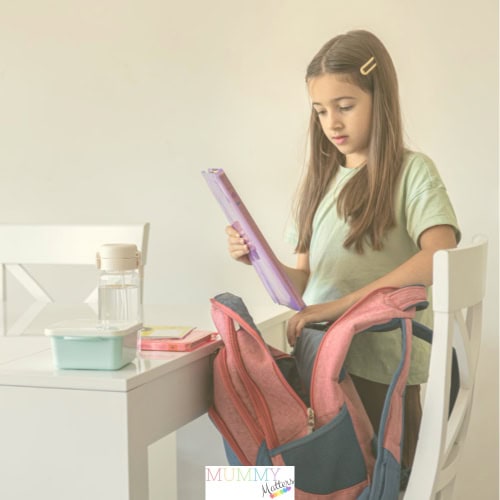
If you’ve ever noticed your child becoming clingy, tearful, snappy or overwhelmed during periods of change, you’re definitely not alone. Many parents and carers find that children often struggle most when life feels uncertain or unpredictable. Whether it’s the return to school after a long summer break, changes at home, disrupted sleep patterns or simply busy family life, even small shifts can trigger feelings of anxiety.
That’s why routines matter so much for children’s emotional health.
A simple daily routine can help anxious kids feel calmer, more secure and better able to manage their emotions. In fact, routine helps create a sense of safety and predictability that many children need to thrive emotionally.
In this article, we’ll explore how routines reduce anxiety in kids, why consistency matters, and practical ways parents can create supportive daily rhythms without making life feel rigid or stressful.
Why Routine Helps Kids With Anxiety
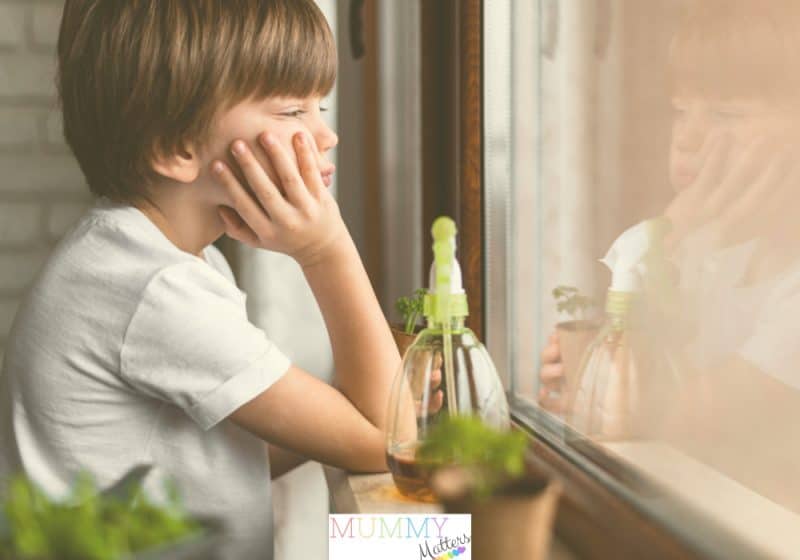
Children don’t always have the words to explain how they’re feeling. Anxiety in children can show up in many different ways, including:
- Irritability
- Trouble sleeping
- Tummy aches
- Avoid things they usually enjoy
- Meltdown behaviour after school
- Separation anxiety
- Difficulty concentrating
- Emotional outbursts
When a child anxious about what’s coming next, uncertainty can make them feel overwhelmed.
A routine provides structure and reassurance. When a child knows what to expect, their brain doesn’t need to stay on high alert trying to predict what might happen next. That sense of predictability can genuinely lower stress levels.
For many kids with anxiety, routine can help reduce the mental load of everyday life.
How Routines Support Emotional Regulation
One of the biggest ways routines help children is by helping them regulate their emotions.
Young children — and even older kids — are still learning important emotional and problem-solving skills. They rely heavily on trusted adults to help ground them emotionally during stressful moments.
Consistent routines support emotional regulation because:
- Kids know what comes next
- It reduces uncertainty
- It minimises power struggles
- It creates emotional safety
- It supports cognitive function and concentration
- It helps children feel secure during transitions
When children may feel uncertain, even simple rituals like a bedtime story or regular mealtime together can make them feel emotionally settled.
For anxious kids especially, routine helps create calm in what can otherwise feel like a chaotic world.
The Science Behind Predictability and Anxiety
Research shows that predictability helps reduce stress hormones in children. A stable environment supports a child’s mental and emotional development by creating a reliable framework around them.
According to the NHS guidance on anxiety in children, anxious children benefit from reassurance, consistency and calm support from trusted adults.
Children experience stress and anxiety when they feel uncertain or unable to control situations around them. Routine helps by giving children a stronger sense of predictability and stability.
This doesn’t mean every minute needs to be planned perfectly. In fact, flexibility is still important. But predictable anchors throughout the day can help children feel emotionally safe.
Morning Routines Can Reduce Anxiety Before School
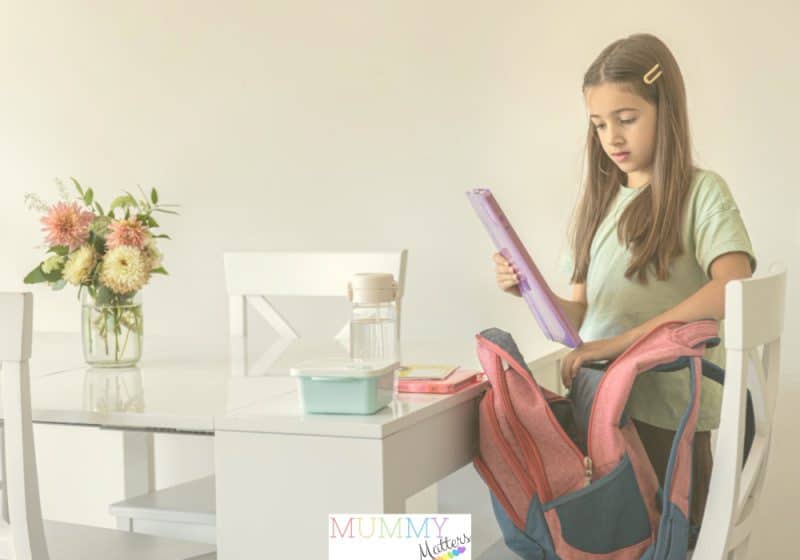
Early mornings are often one of the most stressful times for many families.
School bags missing, rushed breakfasts, forgotten PE kits and frantic searching for shoes can quickly create tension — especially if your child is already anxious about school life or social challenges.
Predictable morning routines can make a huge difference.
If anxiety is making it increasingly difficult for your child to attend school, our guide to emotionally based school avoidance (EBSA) explains why this can happen and the practical steps parents can take with their child and school.
Simple Ways to Create Calmer Mornings
- Prepare school uniforms and bags the night before
- Keep breakfast simple and consistent
- Use visual schedules for younger children
- Build in extra time where possible
- Let your child know the plan for the day
- Avoid screen time immediately before school if it increases stress
A predictable morning helps children feel calmer before school starts and reduces unnecessary overwhelm before the day even begins.
For children returning to school after a long summer break, rebuilding routine gradually can ease back-to-school worries significantly.
Why Bedtime Routines Matter for Anxious Children
Sleep and anxiety often go hand in hand.
An anxious child may struggle to switch off at night, especially if their mind becomes busy once the distractions of the day disappear.
That’s where bedtime routines become incredibly important.
A predictable bedtime routine signals to the brain that it’s time to relax and feel safe.
What a Predictable Bedtime Routine Might Include
- Bath or shower
- Pyjamas
- Quiet downtime
- Reading together
- Gentle relaxation techniques
- Deep breath exercises
- Dim lighting
- Consistent sleep times
Many children feel calmer when bedtime follows the same rhythm each night.
Bedtime routines also support healthy sleep patterns, which are closely linked to emotional regulation and lower stress levels.
The YoungMinds parent advice hub offers excellent support for parents navigating childhood anxiety and sleep struggles.
Building Routines Without Becoming Too Rigid
One mistake many parents make is thinking routines need military-level precision.
They don’t.
Children benefit far more from consistency and emotional connection than strict perfection.
Building routines should feel supportive, not stressful.
Ways Parents Can Create Healthy Routines

Focus on Key Anchor Points
Instead of controlling the entire day, focus on predictable moments like:
- Morning routines
- Mealtime
- Homework times
- Bedtime routines
These regular touchpoints help children build a sense of safety.
Leave Space for Downtime
Children need rest and unstructured play too.
Too many scheduled activities can actually increase anxiety often caused by overstimulation and exhaustion.
Let kids decompress after school before expecting homework or chores immediately.
Encourage Your Child to Participate
Children are more likely to cooperate when they feel involved.
Help children build routines together by asking:
- “What helps you feel calm in the morning?”
- “What would make bedtime easier?”
- “Would a checklist help?”
This can help a child manage transitions more confidently.
How Routine Helps During Big Life Changes
Routine becomes even more important during periods of uncertainty.
This could include:
- Starting a new school
- Moving house
- Family separation
- Illness
- Bereavement
- School after a long summer holiday
- Changes in friendship groups
During these times, children often feel emotionally unsettled.
Keeping familiar routines wherever possible can help children feel emotionally grounded, even when life around them feels uncertain.
Something as simple as keeping regular bedtime, mealtime or storytime rituals can offer enormous comfort.
Model Healthy Habits as Parents
Children learn emotional responses from the adults around them.
One of the most powerful ways parents can support emotional health is to model healthy coping strategies themselves.
That might mean:
- Taking a calm breath before reacting
- Managing time realistically
- Keeping family routines steady
- Talking openly about emotions
- Showing healthy ways to reduce stress
Children notice far more than we realise.
When routines feel calm and supportive rather than pressured or chaotic, children are more likely to feel secure themselves.
When Professional Support Can Help
While routines help children feel safer emotionally, they aren’t a cure-all.
If your child’s anxiety in the long term is affecting daily life, professional guidance may be needed.
Professional support can help if your child:
- Refuses school regularly
- Experiences panic attacks
- Has ongoing sleep difficulties
- Seems withdrawn
- Struggles socially
- Shows persistent physical symptoms of anxiety
- Is unable to manage their emotions consistently
It’s completely normal to feel worried as a parent too.
The Child Mind Institute guide to childhood anxiety offers practical advice for helping children manage anxiety compassionately.
Practical Tips for Creating Anxiety-Reducing Routines
If you’re unsure where to start, these small changes can make a big difference:
- Keep wake-up and sleep times consistent
- Create calming transitions between activities
- Use visual charts for younger children
- Reduce unnecessary rushing
- Build regular connection time into the day
- Prepare for changes in advance
- Let your child know what to expect
- Prioritise downtime alongside activities
- Keep routines realistic for your family life
Remember — routines help children feel safe, not controlled.
Even small predictable habits can help your child feel calmer and more emotionally secure.
FAQs
What is anxiety in children?
Anxiety in children is a normal emotional response to stress, uncertainty or fear. However, when worries begin affecting daily life, sleep, school or relationships, extra support may be needed.
Why does routine help anxious kids?
Routine helps children feel safe because it creates predictability. Knowing what to expect reduces uncertainty and can lower stress and overwhelm.
How can I help my child feel calmer during school mornings?
Creating predictable morning routines, preparing items the night before and reducing rushing can all help kids feel calmer before school.
Can bedtime routines reduce anxiety?
Yes. A predictable bedtime routine helps children relax, feel secure and prepare emotionally for sleep, which can improve overall emotional wellbeing.
When should I worry about my child’s anxiety?
If anxiety is affecting school attendance, sleep, friendships or everyday life consistently, it’s worth speaking to a GP, school support team or mental health professional.
Do routines need to be strict to work?
No. The goal isn’t perfection. Children benefit most from consistent, supportive rhythms that make them feel emotionally safe and secure.
Conclusion
Life can feel overwhelming for children at times — especially when routines disappear or uncertainty creeps in.
The good news is that routines don’t need to be complicated to make a difference.
Simple, predictable daily habits can help children feel secure, reduce anxiety and support emotional regulation in a gentle, realistic way. Whether it’s calmer mornings, consistent mealtimes or comforting bedtime rituals, those small moments of predictability often become the things children rely on most.
And honestly, many of us parents probably feel calmer with a bit of routine too.