
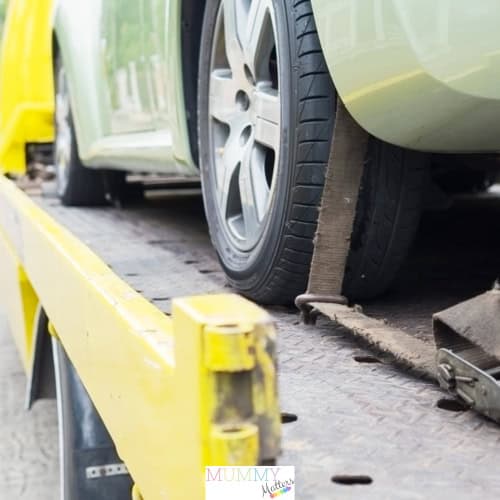
Whangarei vehicle owners now enter a scrap market that works differently from the one many remember. Price checks happen faster, buyers ask sharper questions, and collection terms carry more weight before any truck arrives. A damaged car can still attract interest, yet value depends on parts demand, towing access, and complete records. Sellers who prepare details early usually avoid friction and reach a cleaner, fairer outcome.
Why The Market Feels Different

Several local pressures now shape each quote, including steel prices, fuel costs, workshop demand, and distance from pickup routes. Because more owners compare offers before agreeing, car wreckers in Whangarei now assess vehicles with greater care, weighing reusable components, body condition, paperwork quality, and transport effort instead of giving one broad figure to every unwanted car.
Scrap Value Is No Longer Flat
Blanket pricing has mostly disappeared from this trade. Buyers separate vehicles with strong resale potential from units worth little beyond shell weight. A rough hatchback may return less than a damaged ute carrying a sound transmission. Market logic now favours measurable value. Metal weight matters, though make, engine health, trim condition, and wheel integrity often influence the final number more.
Condition Still Matters
Mechanical failure does not remove all worth, but missing pieces often reduce interest. Stripped cabins, absent doors, cracked glass, or severe corrosion usually push offers down. Intact lights, straight panels, and usable electronics can lift a figure. Recyclers first look for stock that can serve repair shops. Scrap tonnage comes after that, which marks a clear shift from older buying habits.
Paperwork Carries More Weight
Ownership proof now plays a larger role in routine collections. Most yards request identification, registration details, and clear authority before removing a vehicle. That process protects buyers, sellers, and future record checks. Missing plates can slow progress. Incomplete forms may delay payment, especially where a car has changed hands informally or remained parked for long periods without current documentation.
Free Removal Has Limits
Collection is often included, though that promise usually depends on access and distance. A small sedan on level ground is easier to load than a van buried behind fencing or soft soil. Narrow driveways can also affect timing. Sellers benefit from asking whether towing remains free under difficult conditions, because recovery effort may reduce the amount offered at the end.
Parts Demand Is Driving Quotes
Used-part demand now has a stronger effect on pricing than many owners expect. Popular Japanese models often attract better interest because workshops still seek mirrors, gearboxes, alternators, lights, and engine assemblies. Rare imports can draw weaker figures if stock moves slowly. Accurate model information helps early. Better details allow buyers to price properly instead of protecting themselves with a lower guess.
What Buyers Want To Hear
Useful details usually include whether the engine starts, whether the car rolls, and which parts remain fitted. Honest answers save time for both sides. They also reduce last-minute changes after inspection. Sellers should mention crash damage, flood exposure, missing keys, or removed wheels before booking collection. Clear facts help a yard send the right truck and prepare a realistic payment.
Speed Can Affect Payout
A quick sale may solve a parking problem, yet speed can trim returns. Some owners accept the first quote because the vehicle has become stressful or costly to keep. Others compare two or three offers and often do better. Timing still matters. Haste, however, can reduce value where another yard may place stronger demand on certain mechanical or body components.
Environmental Standards Are Tighter
Modern wrecking work places greater emphasis on draining fluids, removing batteries safely, and separating metals before crushing. That approach reduces soil contamination, fire risk, and avoidable waste. Sellers may never see those steps, yet disposal standards still matter. A responsible operator should explain how a vehicle is dismantled, where hazardous materials go, and which parts can return to circulation.
Smart Sellers Ask Better Questions
A better transaction often begins with a short list of practical questions. Sellers should ask what the quote includes, whether towing carries any limit, how payment is handled, and which documents are required. They should also confirm whether the amount can change after inspection. Direct questions expose vague terms early. That clarity helps prevent disputes once collection has been arranged.
Conclusion
Whangarei sellers now benefit most from preparation, not guesswork or urgency. Current offers reflect usable parts, metal weight, towing difficulty, and complete ownership records, rather than rough estimates based on age alone. Owners who describe the condition plainly, compare quotes, and confirm removal terms place themselves in a stronger position before pickup day. The market has shifted, yet informed sellers can still secure a practical, fair result.