

Renovating a kitchen is one of the biggest home improvement projects you can take on, but careful planning can make the whole process much easier. Whether you’re replacing a tired kitchen, changing the layout to work better for family life or simply updating the worktops, appliances and décor, there are plenty of decisions to make before the work begins.
A successful kitchen remodel isn’t just about choosing cabinets and colours you love. You’ll also need to think about your budget, how you use the space, which jobs require professional tradespeople and where it’s worth investing for the long term. In this guide, we’ll look at the key things to consider when planning a kitchen renovation, from setting a realistic budget and choosing contractors to appliances, worktops, lighting and those all-important finishing touches.
Set your budget
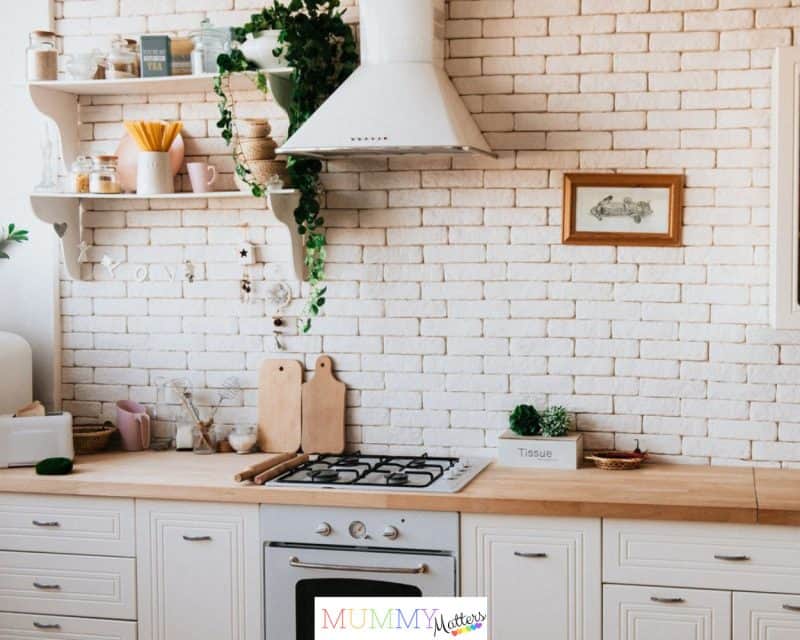
Before you start choosing cabinets, worktops and appliances, decide how much you can realistically afford to spend on your kitchen renovation. Your budget needs to cover more than the kitchen units themselves, so remember to allow for installation, plumbing and electrical work, flooring, decorating and any changes to lighting or the layout.
If you’re trying to keep costs under control, there are also plenty of ways to renovate your home on a budget without compromising on the areas that matter most.
It is also sensible to keep some of your budget aside for unexpected costs. Problems such as outdated wiring, damaged flooring or plumbing that needs moving may only become apparent once the old kitchen has been removed.
Once the budget is set, it is also worth deciding whether the renovation will be managed as one complete project or split between separate trades and suppliers. For homeowners in Norfolk, looking at Refined Interior Finishes’ kitchen installations in Norwich provides an example of a managed approach covering the preparation, installation and coordination involved in a kitchen renovation. Factoring that level of involvement into the budget early can make it easier to compare the true cost of the complete project rather than looking at individual elements in isolation.
Choose the right kitchen fitter and tradespeople
Even if you’re happy to tackle some decorating or smaller DIY jobs yourself, a full kitchen renovation will usually involve several different trades. Depending on the project, you may need a kitchen fitter, plumber, electrician, plasterer, tiler, flooring specialist or decorator, so it’s worth deciding early which jobs you can realistically manage yourself and which are better left to professionals.
Ask for detailed quotes rather than choosing someone based on price alone. A good quote should make it clear what is included, who will be responsible for each stage of the work and whether you’ll need to arrange any additional trades separately. Recommendations from friends and family can be helpful, but it’s still worth checking reviews and asking to see examples of previous kitchen installations.
For electrical work, make sure you use someone who is suitably qualified, and if your renovation involves gas appliances, any gas work should be carried out by a Gas Safe registered engineer. Larger renovations involving structural alterations, drainage, ventilation or significant electrical changes may also need to comply with Building Regulations, so check what applies to your particular project before work begins.
Before agreeing to anything, get the scope of work, costs and expected timescale in writing. It is also worth discussing how unexpected problems will be handled, particularly if you’re renovating an older property where issues may only become apparent once the existing kitchen has been removed.
Choose your kitchen appliances early
It can be tempting to leave appliances until later in the renovation, but choosing them early can help you avoid expensive changes once your kitchen has been designed. Your oven, hob, fridge freezer and dishwasher all need to fit the available space, while their position can affect cabinetry, electrical points, plumbing and ventilation.
Think about how your family actually uses the kitchen rather than automatically choosing the biggest or most feature-packed appliances. Consider capacity, energy efficiency, running costs, ease of cleaning and whether you’ll genuinely use any additional features you’re paying for.
Always check the exact dimensions and installation requirements of an appliance before ordering it, particularly if it needs to fit within cabinetry or beneath a worktop.
Fridge freezer
The right fridge freezer will depend largely on the size of your household and the way you shop. A larger family or anyone who likes to batch cook may benefit from additional fridge and freezer space, while features such as adjustable shelving, separate temperature zones and frost-free freezers can make everyday use easier.
Before choosing a model, think about where the doors will open, whether there is enough clearance around the appliance and how easily you’ll be able to access it while somebody else.
Refridgerator
When choosing a new refrigerator, think about how often you and your family eat at home. Larger households need appliances with more storage space and the ability to keep food fresh for longer. Your family may benefit more from a high-end model with features like dual refrigeration, on-door controls, and energy efficiency.
Cookers and Stoves
You can’t make good food at home without a reliable cooker, which is why they are the focal point of every kitchen. You may select a cooker that fits your culinary needs and aesthetic preferences among the many available alternatives, which vary from electric cookers to cutting-edge induction ranges. In general, inexperienced cooks choose electric stoves because of their long heat-up times, whereas more seasoned chefs favour induction and, eventually, gas stoves because of their rapid heat-up times and ability to cook precisely.
Dishwasher
More complicated versions will incorporate energy efficiency characteristics, concealed controls, and noise reduction characteristics that are particularly useful in compact houses or open floor plans. Dishwashers with drawers are great for cleaning smaller loads of dishes without wasting as much water.
Choose worktops that suit your kitchen
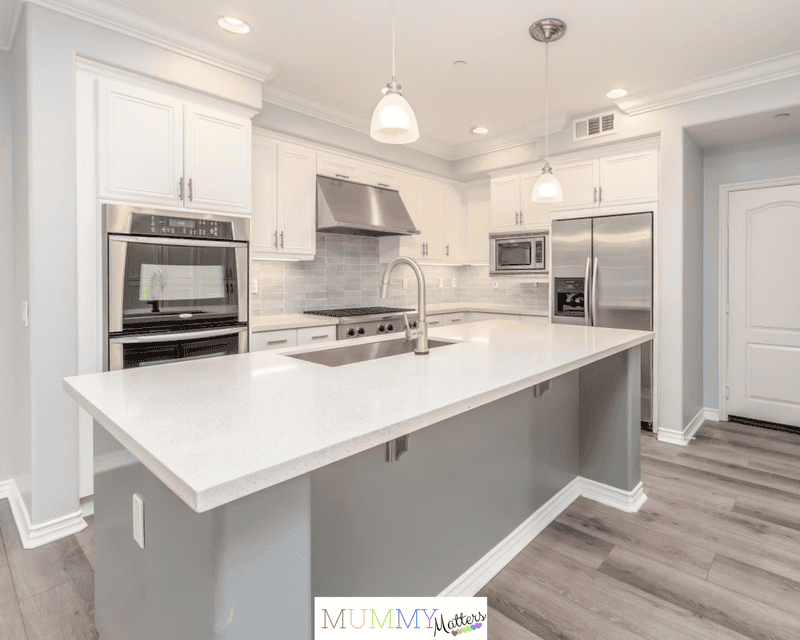
Kitchen worktops have to cope with everyday family life, from food preparation and hot pans to spills, stains and constant cleaning. Appearance matters, but durability, maintenance and budget are just as important when deciding which material is right for your home.
It’s worth looking at samples in person before making your final decision. Colours and patterns can look very different under your kitchen lighting, and seeing a larger piece can give you a much better idea of how it will work alongside your cabinets, flooring and splashbacks.
Granite
Granite is a natural stone, which means every worktop has its own variations in colour and pattern. It is extremely durable and can cope well with the demands of a busy kitchen when properly cared for.
However, granite isn’t completely maintenance-free. As a porous natural stone, it may require sealing to help protect it from stains, and it’s still sensible to use chopping boards and trivets rather than treating the surface as indestructible.
Marble
If you’re considering a white marble countertop, marble can create a beautiful statement in a kitchen, with natural veining that makes every piece unique.
Because marble is porous and can be affected by acidic foods and liquids, spills such as lemon juice, vinegar and wine should be cleaned up quickly. It can also scratch and develop marks over time, so consider whether you’re comfortable with the maintenance and the way natural stone ages before choosing it for a busy family kitchen.
Quartz
Engineered quartz is a popular choice for kitchen worktops because it combines the appearance of stone with a relatively low-maintenance surface. It is available in a huge range of colours and finishes and is generally resistant to stains and everyday wear.
Quartz is not completely heat-proof, however, so you should still use trivets or heat-resistant mats beneath hot pans and dishes. Prices can also vary considerably depending on the brand, colour and finish you choose.
Ceramic and porcelain
Ceramic and porcelain worktops can offer excellent resistance to heat, stains and scratches, making them worth considering for a hardworking kitchen. Modern porcelain surfaces are also available in finishes that recreate the appearance of marble, concrete and other natural materials.
Don’t confuse these large-format surfaces with traditional tiled kitchen worktops, though. Individual ceramic tiles can provide a more affordable or characterful option, but the grout lines require additional cleaning and can make the work surface less practical for food preparation.
Don’t forget the kitchen flooring
Flooring is another decision worth making early, particularly if you’re changing the kitchen layout or creating a more open-plan space. We’ve experienced this ourselves after knocking through our kitchen and dining room to create a layout that worked better for our growing family, and choosing flooring that could cope with everyday family life was an important part of the project.
Kitchen flooring needs to be practical as well as attractive, so think about how it will cope with spills, muddy shoes, pets and regular cleaning. Comfort, durability and how the flooring flows into adjoining rooms are also worth considering. If you’re weighing up the options, I’ve shared more about our experience of choosing flooring for a kitchen and dining room.
Choose your kitchen colours and paint
Colour can completely change the feel of a kitchen, so think about the overall look you want to create before choosing your paint. Take your cabinets, worktops, flooring and splashbacks into account, as well as the amount of natural light the room receives throughout the day.
Rather than choosing a colour from a small swatch, try a few tester shades in different areas of the kitchen and look at them at various times of day. A colour that looks warm and inviting in bright daylight can feel very different under artificial lighting in the evening.
Kitchens also need paint that can cope with everyday family life. Look for a durable, washable finish designed for kitchens or other high-traffic areas, particularly around cooking and food preparation zones where walls are more likely to be exposed to splashes and marks.
If replacing the kitchen cabinets isn’t within your budget, painting suitable existing cupboard doors can also give the room a completely different look for considerably less than installing a new kitchen. Good preparation is important, though, and the correct primer and paint will depend on what your cabinets are made from.
Plan your kitchen lighting
Good kitchen lighting needs to do more than simply make the room bright. Ideally, you’ll have a combination of general lighting for the whole room, task lighting for areas where you prepare and cook food, and softer lighting that helps create a more relaxed atmosphere when the kitchen isn’t being used for cooking.
Ceiling spotlights or pendant lights can provide the main source of illumination, while under-cabinet lighting is particularly useful above worktops. If you have a kitchen island or dining area, pendant lights can also help define the space and add a decorative feature.
Think about lighting early in the renovation rather than treating it as a finishing touch. Planning where you’ll prepare food, cook, wash up and eat will help you decide where lights, switches and electrical points need to be positioned before the walls and cabinetry are finished.
It is also worth considering how you’ll use the kitchen at different times of day. Being able to switch different lighting zones on separately means you can have plenty of light while preparing dinner without needing the entire kitchen brightly illuminated when you’re sitting down with a cup of tea later in the evening.
Think about how you use your kitchen
Before deciding where everything should go, think about how your household actually uses the kitchen. A layout that looks beautiful isn’t necessarily practical if people are constantly getting in each other’s way or you have to walk across the room every time you need something while cooking.
Consider the everyday routines that happen in the space. Where do you unpack the shopping? Do the children make their own breakfast or snacks? Does someone regularly sit at the kitchen table or island while another person cooks? Thinking about these small details can help you create a layout that works for your family rather than simply following the latest kitchen trends.
If you have children, it’s also worth thinking about how you can make your kitchen a family-friendly space, allowing them to get involved or help themselves to everyday items without constantly crossing busy cooking and food preparation areas.
Storage is another important part of the planning process. Deep drawers can make pans and crockery easier to reach, while pull-out cupboards can make better use of awkward spaces. Think about where you naturally use particular items too. Keeping mugs close to the kettle, pans near the hob and everyday plates within easy reach of the dishwasher can make the finished kitchen much easier to live with.
If you’re changing the existing layout, remember that moving plumbing, gas connections and electrical points can increase the cost of the renovation. Sometimes working with the existing layout and investing the money elsewhere will give you better value.
Final thoughts on planning a kitchen renovation
A kitchen renovation is a significant investment, so taking the time to plan before work begins can save you money, stress and compromises later. Set a realistic budget, think carefully about how your family uses the space and make decisions about your layout, appliances, worktops and lighting before the installation gets underway.
Try to balance the features you’d love to have with the things that will make a genuine difference to everyday life. You don’t necessarily need the most expensive kitchen or the latest trends; a well-planned kitchen that provides enough storage, is easy to maintain and works for the way your household lives can be a much better investment.
Most importantly, don’t rush the planning stage. Get several quotes where appropriate, check measurements carefully and make sure you understand what is included before committing to major purchases or building work. A little extra preparation at the beginning can make the renovation itself much easier and help you create a kitchen you’ll enjoy using for years to come.
Updated: September 2026