
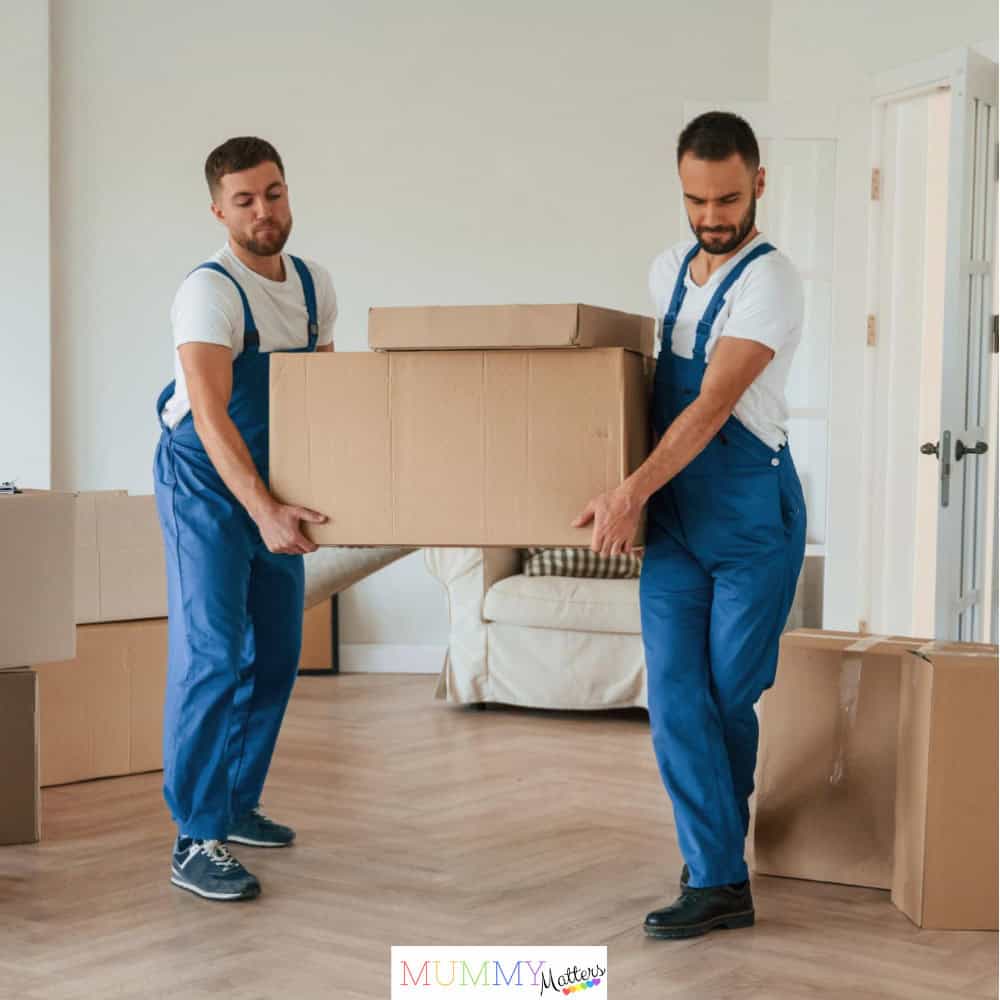
Keeping your belongings safe during a move starts with proper packing, clear labeling, careful handling, and a plan for protecting valuable items. Furniture can get scratched, glass can break, and electronics can be damaged if they are packed or transported incorrectly. Preparing your belongings in advance helps reduce these risks and makes moving day easier to manage.
Milpitas is home to the Great Mall, one of Northern California’s major shopping destinations, and is located near the junction of Interstate 680 and State Route 237. With residential communities ranging from apartments to larger family homes, planning how to pack and transport bulky or fragile belongings can help prevent damage during a move.
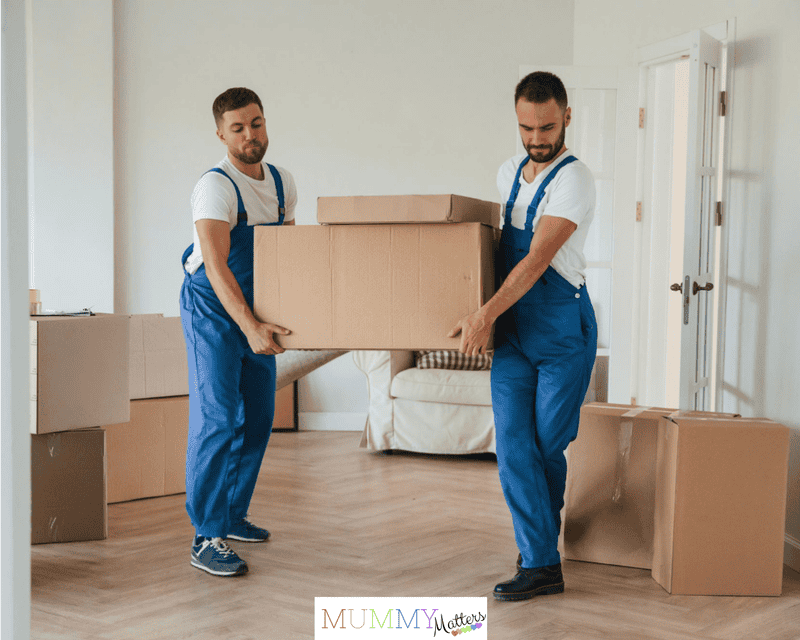
If you are planning a relocation, choosing experienced movers in Milpitas can help you arrange suitable handling for your belongings and prepare for your property’s access requirements.
Here are six effective ways to protect your items throughout the moving process:
1. Use the Right Packing Materials
Choose sturdy boxes that can support their contents without collapsing. Use packing paper, bubble wrap, or other suitable cushioning to protect fragile items. Fill empty spaces so belongings do not move around inside the box, and seal the bottom and top securely with packing tape.
Avoid placing heavy objects in oversized boxes that become difficult to lift. Instead, distribute the weight across several manageable containers.
For particularly delicate belongings, such as glassware, artwork, or collectibles, consider specialized packaging rather than relying on ordinary cardboard boxes.
2. Label Boxes Clearly
Clear labels help everyone understand how boxes should be handled and where they belong. Mark each box with its destination room and a brief description of the contents. Use visible labels for fragile items and indicate when a box should remain upright. Keep labels consistent throughout the home so the moving crew can organize the load efficiently.
Avoid writing detailed descriptions of expensive belongings on the outside of boxes. A simple room label is usually enough, while an inventory can help you track valuable items privately.
3. Protect Furniture and Large Items
Furniture can be damaged by scraping against walls, doorframes, floors, or other objects during a move.
Use suitable furniture blankets, padding, and protective wrapping. Remove loose shelves or detachable components when appropriate, and keep the hardware in labeled bags. Measure large items and narrow passageways before moving day to identify potential access problems.
Avoid dragging heavy furniture across floors, since this can damage both the item and the property. If an object is too heavy or awkward to handle safely, use trained movers and suitable equipment.
4. Give Electronics Extra Protection
Televisions, computers, gaming consoles, printers, and other electronics can be vulnerable to impacts, pressure, moisture, and rough handling.
Whenever possible, use the original packaging and molded inserts. If these are unavailable, choose a sturdy box with enough cushioning to prevent movement. Disconnect cables carefully and label them so setup is easier at the destination.
Back up important files before packing computers or storage devices. Keep small accessories together in clearly marked bags, and follow manufacturer instructions for devices with removable batteries or special transportation requirements.
5. Keep Valuables and Essentials with You
Some belongings are better transported separately from the main shipment. These may include passports, identification, financial records, medications, jewelry, cash, and irreplaceable personal documents.
Place these items in a secure bag that stays with you throughout the move. This makes essential belongings easier to access and reduces the chance of accidentally leaving them in a box or moving vehicle. Keep receipts or other records for particularly valuable items when available.
6. Choose Movers Who Explain Their Protection Process
A moving company should be able to explain how it handles fragile items, secures belongings inside the vehicle, and responds to damage claims. Ask what protective materials are included and whether additional packing or specialty-item services are available.
When comparing Milpitas movers, review the written estimate, service agreement, valuation options, and claims procedure. Do not assume that every item is automatically covered for its full replacement value, because protection terms and exclusions can vary.
Takeaways
- Use sturdy boxes and suitable cushioning for fragile belongings.
- Label boxes clearly to support careful handling and organized unloading.
- Protect furniture with appropriate wrapping and padding.
- Pack electronics securely and back up important data.
- Keep medications, documents, jewelry, and other essentials with you.
- Review the moving company’s protection options and claims process.
- Discuss special-handling needs before moving day.