

Brain injuries can have a life-changing impact, affecting everything from memory and concentration to relationships, employment and everyday independence. Unlike many physical injuries, however, the effects of a traumatic brain injury aren’t always immediately visible, making it particularly challenging to demonstrate the full extent of the harm caused.
When someone suffers a brain injury because of an accident or another person’s negligence, pursuing compensation can involve much more than providing a medical diagnosis. Establishing exactly what happened, connecting the injury to the incident and demonstrating its ongoing consequences all require careful documentation and supporting evidence.
Understanding how brain injury claims are assessed, and why certain types of evidence matter, can help individuals and their families feel better prepared for the legal process.
Why Brain Injury Claims Require Careful Proof
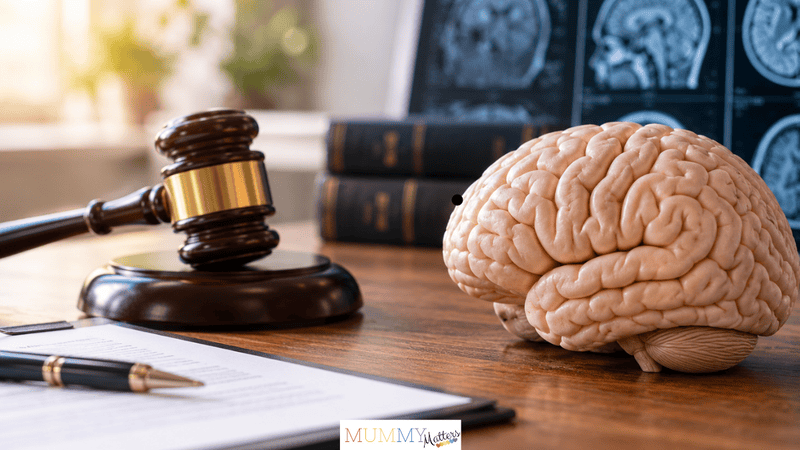
Brain injuries often leave little visible evidence, yet they can alter memory, concentration, speech, work, and family life. A claimant still must connect those changes to a specific event and prove that another party caused the harm. Medical records, witness accounts, employment history, and expert analysis must support that connection.
Insurance carriers often focus on gaps or competing explanations. The proof becomes clearer when each part of the claim is built deliberately and documented consistently over time.
A Diagnosis Does Not Prove Causation
A brain injury claim in Los Angeles requires more than a diagnosis. The record must show what happened, why the event caused harm, and how the injury changed the claimant’s life. That work often requires guidance from brain injury lawyers in Los Angeles, California, especially when symptoms appear gradually or medical histories conflict. A careful review separates documented loss from assumptions and preserves evidence before memories fade.
Medical causation often receives close scrutiny. A defense may argue that headaches, memory problems, anxiety, or concentration issues came from an earlier condition. The claimant must show why the current symptoms relate to the accident through medical opinions and treatment records.
Symptoms Can Appear Without Visible Injuries
A broken bone usually appears on imaging. A traumatic brain injury often depends on symptoms, clinical testing, and changes in daily function. A person can look alert during an emergency evaluation while struggling later with fatigue, word finding, balance, or short-term memory.
Delayed symptoms create another proof problem. Family members, coworkers, and friends often notice changes before the claimant recognizes them. Their observations help establish when behavior changed and whether those changes continued after the event.
Evidence Must Connect Injury and Loss
Liability requires proof that another party acted wrongfully and that the conduct caused the injury. Accident reports, photographs, surveillance footage, vehicle data, workplace records, and witness statements can support that account.
Damages require a separate showing. Medical bills document past treatment, but they do not automatically establish future care, reduced earning capacity, or household limitations. Records must connect each claimed loss to a diagnosed condition and an expected need.
Preexisting Conditions Receive Close Attention
A prior concussion, migraine disorder, depression, or orthopedic injury does not erase a new claim. It does require a clear comparison between the claimant’s condition before and after the incident.
Medical records from before the event can establish a baseline. Later examinations, treatment notes, prescriptions, and testimony can show a measurable change. The timeline matters because unexplained gaps give insurers an argument that the injury came from another source.
Expert Analysis Shapes The Case
Brain injury cases often involve neurologists, neuropsychologists, rehabilitation specialists, vocational professionals, or economists. Each opinion should answer a defined question rather than repeat the claimant’s allegations.
A medical specialist can address diagnosis and causation. A rehabilitation professional can describe assistance or therapy needs. A vocational analysis can examine work restrictions, while an economist can calculate the income affected by those restrictions.
Credibility Affects the Result
The claimant’s account must remain consistent across medical visits, employment records, written statements, and testimony. Small differences do not automatically defeat a case, especially when memory impairment is part of the injury.
Social media posts, independent activities, and recorded statements can also receive attention. A photograph showing one successful outing does not prove normal daily functioning, but context must explain the difference.
Preparation Starts Before Evidence Disappears
Prompt documentation protects a claim. A claimant or family member should preserve accident materials, keep a symptom journal, follow prescribed treatment, and record changes in work or household duties.
Legal deadlines also apply, and different defendants can involve different filing rules. A prompt case review helps identify responsible parties, locate evidence, and address medical questions before records become harder to obtain.
Conclusion
Brain injury cases are difficult because the central harm often appears through patterns rather than visible wounds. A persuasive claim links the event, diagnosis, symptoms, treatment, and financial losses with reliable records and testimony. Claimants should preserve accident evidence, follow medical care, and document changes in daily function.
A consultation with a qualified attorney specializing in California brain injuries can then assess causation, filing deadlines, and the evidence needed before an insurer controls the narrative.