
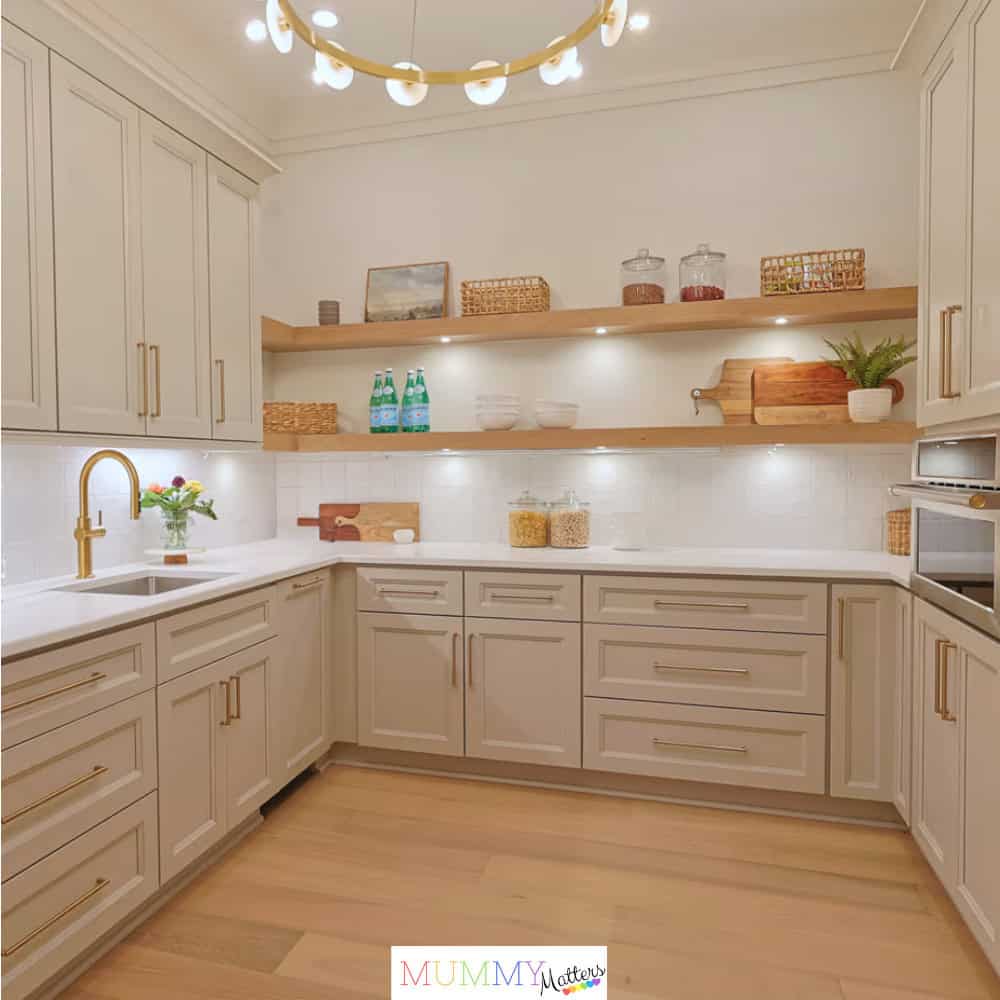
Natural textures can make a kitchen feel warmer, more inviting, and more connected to the outdoors. Materials such as wood, stone, natural fibers, and greenery introduce visual variety while creating a more relaxed atmosphere. When thoughtfully combined with practical storage, suitable lighting, and durable finishes, these elements can help create a kitchen that looks appealing and supports everyday living
Biophilic design brings elements of nature into indoor spaces through natural materials, plants, daylight, organic shapes, and views of the outdoors. In a kitchen, this approach can go beyond adding a few decorative plants.
It considers how surfaces, colors, lighting, and materials work together to create a space that feels comfortable and connected to the natural world. Homeowners exploring biophilic kitchen design can use natural textures to create a distinctive style without sacrificing functionality.
Here are some key benefits of natural textures in biophilic kitchen designs:
1. Wood Adds Warmth and Character
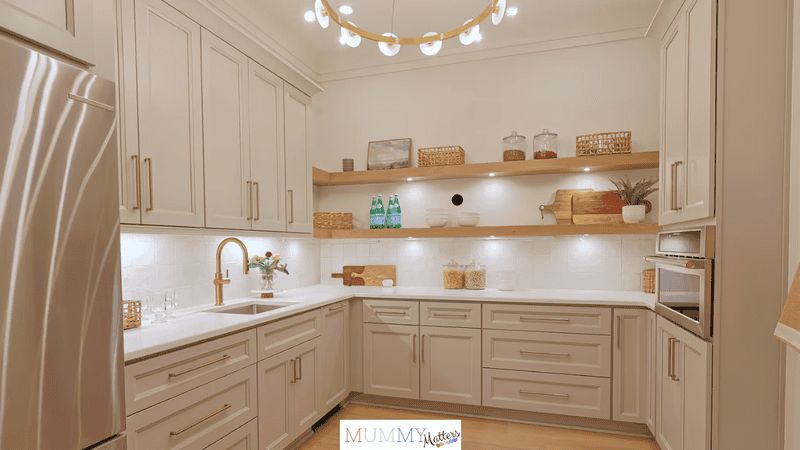
Wood is one of the most versatile materials for creating a natural atmosphere in the kitchen. Its grain patterns, subtle color variations, and tactile finish can soften the appearance of smooth countertops, metal appliances, and glossy surfaces.
Wood can be incorporated through cabinetry, open shelving, island panels, stools, or decorative accents. Light oak may suit a bright, contemporary kitchen, while walnut and other deeper tones can create a richer appearance.
The key is choosing the right finish and placement. Rather than using wood everywhere, combine it with other materials to create contrast and keep the room visually balanced.
2. Stone Introduces Natural Variation
Stone adds texture through its distinctive patterns, mineral details, and variations in color. Materials such as granite, marble, and other natural stones can bring an organic quality to countertops, backsplashes, and selected feature surfaces.
Because every natural stone slab has its own markings, it can give a kitchen a unique appearance. Stone also pairs well with wood cabinetry, simple hardware, and neutral wall colors.
If natural stone does not suit the budget or maintenance preferences, other countertop and surface materials can provide stone-inspired patterns and textures.
3. Greenery Creates a Stronger Connection to Nature
Plants can add color, softness, and visual interest to a kitchen dominated by hard surfaces. Small herb pots near a suitable window, hanging plants, or a carefully placed larger plant can introduce natural variation without requiring major renovation work.
Fresh herbs may also be useful during cooking, provided they receive appropriate light and care. Before selecting plants, consider sunlight, humidity, available counter space, and whether children or pets could access them.
Even a small amount of greenery can complement wood, stone, and other natural finishes when arranged thoughtfully.
4. Natural Textures Make the Space Feel More Layered
A kitchen can feel flat when every surface has the same smooth finish. Introducing contrasting textures creates depth and helps different design elements stand out.
For example, a subtly textured backsplash can complement smooth cabinetry, while woven pendant shades or natural-fiber accessories can soften a room with stone and metal surfaces.
For homeowners planning biophilic kitchen design, layering a few complementary textures often produces a more cohesive result than combining many competing patterns. Select materials that share a consistent color palette and use stronger textures as accents.
5. Daylight Enhances Natural Materials
Natural materials often look different as lighting changes throughout the day. Sunlight can highlight wood grain, reveal the variation in stone, and bring out the details of textured walls and tiles.
If you are renovating, consider how windows, glazed doors, and task lighting affect the appearance of your chosen materials. Keep frequently used work areas well illuminated, and avoid placing shelves or tall cabinetry where they unnecessarily block available daylight.
Key Takeaways
- Wood adds warmth through grain patterns, color, and natural variation.
- Stone can create distinctive countertops and backsplashes, but maintenance differs by material.
- Plants introduce greenery and strengthen the visual connection to nature.
- Combining contrasting textures adds depth without overwhelming the room.
- Natural daylight can highlight the details of wood, stone, and textured finishes.
- Natural materials can support several design styles and make future updates easier.