
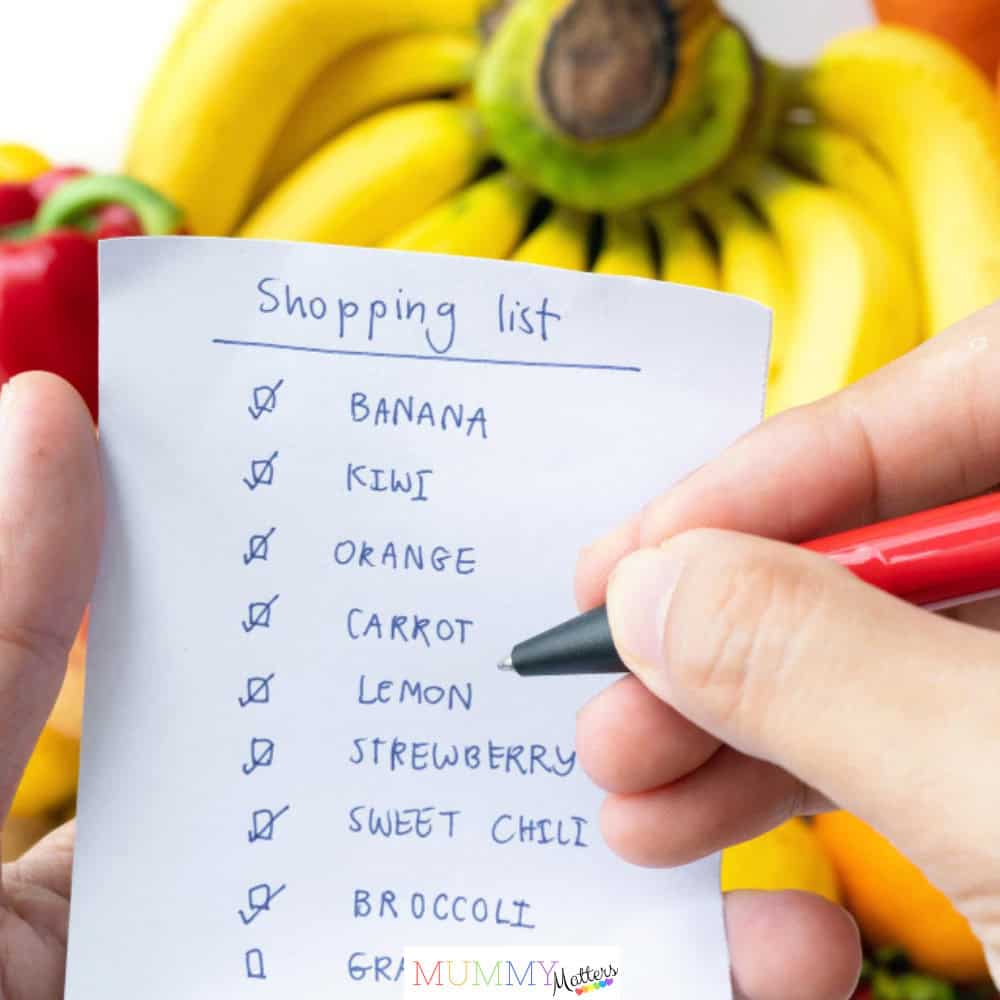
One thing I’ve learned over the years is that cutting your food bill doesn’t have to mean living on beans on toast or giving up healthy family meals.
Like most families, we’ve felt the impact of rising supermarket prices. One week it’s the cost of cheese, the next it’s butter, and somehow the weekly shop seems to creep up even when you’re buying exactly the same things. It can feel incredibly frustrating.
The good news is that I’ve discovered it’s usually the small habits that make the biggest difference. Planning meals before you shop, using what’s already in the cupboard and making a few simple swaps can easily save hundreds of pounds over the course of a year without anyone feeling like they’re missing out.
The biggest change for us wasn’t buying cheaper food – it was wasting less of the food we’d already paid for.
If you’re trying to reduce your grocery spending without sacrificing balanced, nutritious meals, these are the strategies that genuinely work for our family and that I still use today.
1. Plan Your Meals Before You Shop

If I could only give one piece of advice to anyone trying to reduce their food bill, this would be it.
Meal planning isn’t about creating complicated spreadsheets or sticking to a rigid timetable. It’s simply deciding what you’re going to eat before you walk into the supermarket.
Without a plan it’s so easy to wander the aisles adding things that look appealing, only to get home and realise you’ve bought ingredients that don’t actually make a meal. Then, halfway through the week, you’re back at the supermarket picking up “just a few bits” that somehow cost another £25.
Planning ahead helps you buy exactly what your family needs and nothing more.
Before I write my shopping list, I always check:
- what’s already in the fridge
- what’s hiding in the freezer
- cupboard staples that need using up
- which meals can be made from ingredients I already have.
This one habit alone has dramatically reduced the amount of food we throw away.
Another bonus is that meal planning also takes away that dreaded daily question of “What’s for dinner?” After a busy day, it’s such a relief knowing the decision has already been made.
With picky eaters, I don’t experiment with seven brand-new recipes in one week.
If you’re new to meal planning, don’t overcomplicate it. Start with five evening meals rather than seven, leave space for leftovers, and be realistic about the days you’ll be too busy to cook from scratch.
Related reading: If you’d like some inspiration, take a look at my Family Meal Planning on a Budget guide where I share exactly how I plan a week’s worth of affordable family meals without spending hours in the kitchen.
2. Shop Your Cupboards Before You Shop the Supermarket
It sounds obvious, but this is one of the easiest ways to save money and it’s amazing how often we forget to do it.
How many times have you bought another bag of pasta, a tin of chopped tomatoes or a jar of pasta sauce, only to discover you’ve already got two sitting at the back of the cupboard?
I’ve definitely been guilty of it.
Now, before I even think about writing my shopping list, I spend five minutes having a proper look through the kitchen. I check the fridge, freezer and cupboards to see what needs using first. Not only does this stop me buying duplicates, but it often inspires meals I hadn’t even thought of.
For example, if I find:
- half a bag of potatoes
- a couple of peppers
- some frozen chicken breasts
- a tin of sweetcorn
that’s enough to build a meal around without needing to buy everything from scratch.
The freezer is particularly easy to forget about. Ours has become a bit of a treasure chest over the years. There’s usually a portion of chilli, some homemade soup, frozen vegetables or leftover pasta sauce waiting to save me from buying a takeaway on a busy evening.
Keep Older Food at the Front
One habit that’s made a surprising difference is moving older food to the front of the cupboard or fridge whenever I unpack the shopping.
It’s exactly what supermarkets do with stock, and there’s a good reason for it. When the older items are the first things you see, they’re far more likely to get used before they reach their use-by date.
It takes seconds, but it has helped us cut down on unnecessary food waste.
Turn Leftovers into New Meals
I also try to look at leftovers a little differently now.
Instead of thinking, “There’s not enough for another dinner,” I ask myself, “What could this become?”
Leftover roast chicken might become:
- sandwiches for lunch
- a chicken pasta bake
- homemade soup
- fried rice
- wraps for an easy dinner.
Cooked vegetables can be added to a frittata, blended into soup or stirred into a pasta sauce. Even leftover mashed potato can be transformed into fishcakes or crispy potato cakes.
When you start seeing ingredients instead of leftovers, your shopping bill naturally begins to shrink.
By using what you already have before buying more, you’ll waste less food, make better use of the money you’ve already spent and often find you need far fewer items on your shopping list than you first thought.
3. Always Shop with a List (and Stick to It)

I know it sounds simple, but shopping with a list really does work.
Before I started meal planning properly, I’d often head to the supermarket with a rough idea of what we needed. I’d remember a few essentials, forget something important, then inevitably end up wandering the aisles picking up things that looked nice or were on offer.
It wasn’t until I got home that I’d realise I’d forgotten the one ingredient I actually needed for dinner!
Now I write my shopping list after I’ve planned our meals and checked the cupboards. That means every item on the list has a purpose, and I’m much less likely to come home with random extras that end up sitting in the cupboard for months.
Organise Your List by Department
One little trick that’s made shopping quicker is organising my list in the order I walk around the supermarket.
For example:
- Fruit and vegetables
- Meat and fish
- Dairy
- Frozen food
- Cupboard essentials
- Bakery
- Household items
It might sound like a small thing, but it stops me doubling back through the shop, which is often when impulse purchases seem to find their way into the trolley!
Be Careful with Special Offers
Supermarkets are brilliant at making us feel like we’re saving money.
Multi-buy offers, end-of-aisle displays and brightly coloured price tags can all tempt us into buying things we hadn’t planned on.
I always ask myself one simple question before adding an offer to my trolley:
“Would I have bought this if it wasn’t on offer?”
If the answer is no, it probably isn’t saving me any money.
Of course, there are exceptions. If it’s something we regularly use, has a long shelf life or can be frozen, then buying extra while it’s reduced often makes good financial sense. I always keep an eye out for offers on things like tinned tomatoes, pasta, rice, frozen vegetables and toiletries because I know they’ll definitely get used.
Try Not to Shop When You’re Hungry
This is probably one of the oldest money-saving tips around, but it’s still true.
Everything looks more tempting when you’re hungry!
Whether it’s the smell of fresh bread, the bakery aisle or that chocolate bar calling your name at the checkout, it’s much easier to make impulse purchases when your stomach is doing the shopping.
Even having a quick snack before you leave the house can make it much easier to stick to your list—and your budget.
By shopping with a plan and resisting those unnecessary extras, you’ll often find your weekly grocery bill starts coming down without feeling like you’re cutting back at all.
4. Choose Seasonal Fruit and Vegetables
If you’ve ever wondered why strawberries seem so affordable in the summer but incredibly expensive in the middle of winter, it’s because they’re in season.
One of the easiest ways to keep your grocery bill down is to buy fruit and vegetables when they’re naturally at their best. They’re usually fresher, taste better and, more often than not, cost less too.
I still buy some produce all year round because they’re staples in our house, but whenever I can, I try to build meals around what’s in season rather than forcing a recipe that relies on expensive ingredients.
For example, in the UK you can often find good value:
- Spring: asparagus, spring greens, radishes and new potatoes
- Summer: strawberries, tomatoes, courgettes, cucumbers and peppers
- Autumn: apples, pumpkins, squash and mushrooms
- Winter: carrots, parsnips, cabbage, leeks and swede
Not only does this help keep costs down, but it also adds more variety to family meals throughout the year.
Frozen Can Be Just as Nutritious
One thing I’ve completely changed my mind about over the years is frozen vegetables.
I used to think fresh was always the better option, but that’s not necessarily true. Frozen vegetables are often picked and frozen very quickly after harvesting, helping them retain their nutrients.
They’re also incredibly convenient.
I nearly always keep frozen peas, sweetcorn, broccoli and mixed vegetables in the freezer because:
- they last for months
- you only use what you need
- there’s very little waste
- they’re often cheaper than buying fresh.
For busy family life, they’re a lifesaver.
Don’t Ignore the ‘Wonky’ Fruit and Veg
Many supermarkets now sell imperfect or “wonky” fruit and vegetables at a lower price.
They might be a funny shape or slightly smaller than usual, but they taste exactly the same.
If you’re making soups, casseroles, curries, pasta sauces or roasting vegetables, nobody will ever know the difference.
Buying these where they’re available is an easy way to save a little more while also helping to reduce food waste.
Mix Fresh, Frozen and Tinned
I’ve found the most cost-effective approach isn’t choosing one over the other—it’s using a combination of all three.
Fresh fruit is great for lunchboxes, frozen vegetables are perfect for quick midweek meals, and tinned tomatoes, beans and pulses are cupboard staples that make it easy to cook healthy meals without spending a fortune.
Healthy eating doesn’t have to mean buying everything fresh every week. Sometimes the smartest choice for both your budget and your family is simply using whichever option offers the best value while still helping you put nutritious meals on the table.
5. Swap Expensive Brands for Supermarket Own Brands

I’ll admit it—there are a few products I’m loyal to.
There are some brands my family genuinely prefers, and if it’s something we use all the time and can taste the difference, I’ll happily stick with it.
But for many everyday items, I’ve found that supermarket own brands are just as good, often at a fraction of the price.
The trick isn’t to swap everything overnight. Instead, try changing one or two items each week and see if your family even notices. Some swaps were a success, others definitely weren’t!
You might be surprised.
Start with the Basics
Some of the easiest swaps we’ve made include:
- chopped tomatoes
- pasta
- rice
- flour
- oats
- baked beans
- yoghurt
- tinned sweetcorn
- frozen vegetables
These are ingredients that often end up in larger meals, so the difference in taste is usually minimal, but the savings can really add up over the course of a month.
Compare the Price Per Unit
One thing I’ve started paying much more attention to is the price per 100g or price per kilogram, rather than just the price on the shelf.
Sometimes a larger pack looks more expensive, but actually works out much cheaper per portion. Other times, a special offer isn’t really a bargain at all.
Those small labels on the supermarket shelf are well worth a second look.
Don’t Be Fooled by Packaging
It’s easy to assume that a beautifully designed packet must contain a better product, but that’s not always the case.
Many supermarket own-brand products are made to very similar standards as their branded counterparts, and in some cases they’re produced in the same factories.
Rather than judging by the packaging, try comparing:
- the ingredients list
- the nutritional information
- the price per unit.
You may find there’s very little difference.
Spend More Where It Matters to You
Saving money isn’t about buying the cheapest version of absolutely everything.
For us, there are certain foods where quality is important and we’re happy to spend a little more. By saving on everyday staples, it gives us the flexibility to buy better-quality meat for a Sunday roast, enjoy fresh berries when they’re in season or treat ourselves to something special now and again.
That’s what makes budgeting sustainable.
It’s about being intentional with your money rather than feeling like you’re constantly compromising.
By making a few simple swaps where they genuinely won’t affect your family’s enjoyment, you can reduce your weekly shopping bill without anyone feeling like they’ve had to give up the foods they love.
6. Cook from Scratch More Often
This is one of those tips that can sound overwhelming, so let me reassure you straight away—I don’t mean making everything from scratch.
I’m certainly not baking my own bread every week or spending hours in the kitchen preparing elaborate meals. Like most parents, I have busy days when convenience wins.
But I’ve found that cooking from scratch a little more often can make a noticeable difference to both our food budget and the nutritional value of our meals.
Even replacing one or two ready meals each week with a homemade alternative soon adds up. I know my children’s ‘safe meals’, so those are the ones I cook in bigger quantities
Keep It Simple
Cooking from scratch doesn’t have to be complicated.
Some of our favourite family meals are also some of the simplest:
- spaghetti bolognese
- vegetable chilli
- chicken curry
- pasta bake
- homemade soup
- jacket potatoes with different toppings
- omelettes or frittatas packed with leftover vegetables
These are meals that don’t require expensive ingredients and can usually be adapted to use whatever you already have at home.
Convenience Isn’t the Enemy
I’ve learned not to chase perfection.
There are plenty of shortcuts that still count as cooking from scratch in my book:
- frozen chopped onions
- frozen garlic
- ready-prepared vegetables
- microwave rice for particularly busy days
- jars of herbs and spices
- tinned tomatoes
- tinned beans and lentils
If using a few convenient ingredients means you’re cooking a healthy meal instead of ordering a takeaway, I’d call that a win.
Build a Collection of Family Favourites
One thing that’s helped us enormously is having a list of meals that everyone enjoys.
When inspiration is lacking, I don’t have to start from scratch. I simply pick from our family favourites and check what ingredients we already have.
Over time, cooking becomes much less stressful because you’re not constantly searching for new recipes.
If you’re just getting started, aim to build a collection of 10–15 reliable meals that your family will happily eat on repeat. That’s more than enough to create plenty of variety without making meal planning feel overwhelming.
It Doesn’t Have to Be Perfect
There are still evenings when we have freezer food, fish fingers or beans on toast.
Life happens.
The goal isn’t to cook every single meal from scratch—it’s simply to do it more often than you do now.
Small changes are usually the ones that stick.
A homemade pasta sauce once a week, a slow cooker meal on a busy day or a batch of soup made from leftover vegetables can all help reduce your shopping bill while making the most of the ingredients you’ve already bought.
When you stop aiming for perfection and focus on progress instead, healthy home cooking becomes much more achievable—and much more enjoyable.
7. Batch Cook and Make Your Freezer Work Harder
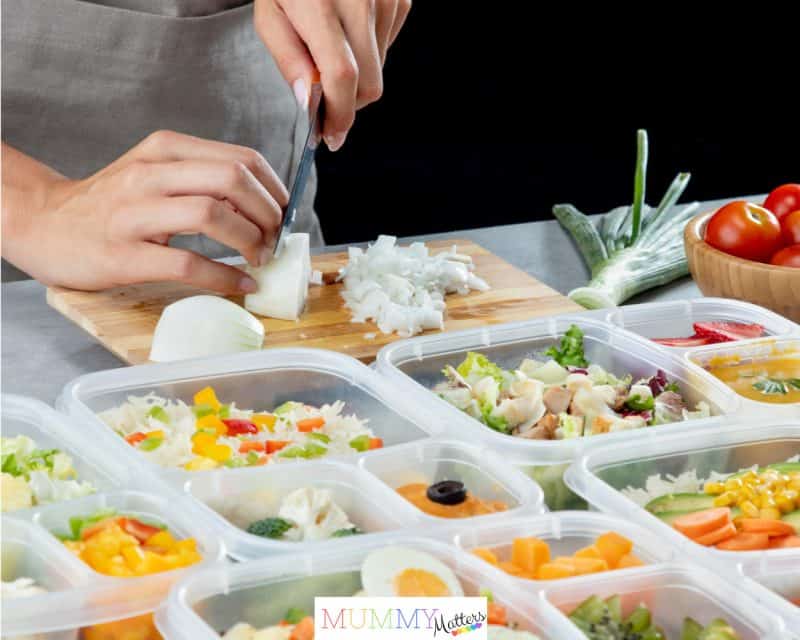
If there’s one kitchen appliance that saves me money week after week, it’s my freezer.
For years, I thought batch cooking meant spending an entire Sunday cooking enough meals to feed an army. The reality is much simpler than that.
Now, whenever I’m making a family favourite like chilli, bolognese or curry, I simply make a double batch. It doesn’t take much more time, but it means I have another meal ready for a day when life gets hectic. I only freeze meals I know will actually get eaten.
Future me is always grateful!
Cook Once, Eat Twice
Whenever you have the oven or hob on, think about whether you could make an extra portion.
Some meals freeze brilliantly, including:
- spaghetti bolognese
- chilli con carne
- cottage pie
- lasagne
- homemade soups
- chicken curry
- pasta sauces
Even if you only freeze one extra meal each week, you’ll soon build up a little collection of homemade “ready meals” that are much cheaper than buying them from the supermarket.
Label Everything
This is a lesson I’ve learned the hard way.
There have been plenty of occasions where I’ve pulled a mystery container out of the freezer and had absolutely no idea whether it was soup, curry or pasta sauce!
Now I always label containers with:
- the name of the meal
- the date it was frozen.
It only takes a few seconds and saves a lot of guesswork later.
Freeze More Than You Think
Your freezer isn’t just for cooked meals.
We regularly freeze:
- bread
- wraps
- grated cheese
- leftover cooked chicken
- herbs
- bananas that are getting too ripe
- homemade muffins for lunchboxes
Freezing food before it goes past its best means you’re far less likely to throw it away, and that’s money staying in your pocket.
Create Your Own ‘Fakeaway’ Collection
One unexpected benefit of batch cooking is that it helps us avoid expensive takeaways.
On those evenings when everyone’s tired, someone’s been at an after-school club or we’ve had a busy day at work, it’s incredibly tempting to order food.
Instead, I can often pull a homemade chilli, curry or pasta bake out of the freezer. It’s ready much quicker than waiting for a delivery, costs a fraction of the price and I know exactly what’s gone into it.
It’s one of the easiest ways to save money without feeling like you’re missing out.
Batch cooking doesn’t have to mean dedicating hours to meal prep. Simply doubling up when you’re already cooking and making better use of your freezer can reduce food waste, cut your grocery bill and make busy family evenings so much less stressful.
Living with picky eaters means I have to be quite strategic. There’s no point filling the freezer with meals nobody is going to eat. Instead, I freeze the family favourites that I know will disappear without complaints. It means I always have a reliable backup for those evenings when time is short.
8. Reduce Food Waste and Make Every Shop Go Further
One of the biggest changes we’ve made over the years hasn’t been buying cheaper food—it’s making sure we actually eat the food we’ve already bought.
It’s amazing how much money can end up in the food waste bin without us even realising it. A forgotten bag of salad, yoghurt that’s slipped behind the milk or fruit that’s gone a little too soft can all add up over the course of a month.
I’ve become much more conscious of using what we have before buying more, and it’s made a noticeable difference to both our shopping bill and the amount of food we throw away.
Have a ‘Use Me First’ Shelf
One simple habit that’s worked well for us is keeping a small section of the fridge for food that needs using soon.
It might be:
- yoghurt nearing its best-before date
- vegetables that are starting to soften
- opened cheese
- cooked meat
- leftovers from the previous evening
Because it’s all in one place, it’s much less likely to be forgotten.
Don’t Throw Food Away Just Because It’s Past Its Best-Before Date
One thing that’s helped me waste less food is understanding the difference between ‘best before’ and ‘use by’ dates.
A best-before date is about quality rather than safety. Many foods, such as dried pasta, rice, biscuits and tinned goods, are often perfectly fine to eat after this date if they’ve been stored correctly.
A use-by date, however, is different. It’s there for food safety and shouldn’t be ignored, particularly on foods like meat, fish and dairy products.
Knowing the difference has stopped me throwing away perfectly good food unnecessarily.
Give Fruit and Vegetables a Second Life
Not every piece of fruit has to look perfect.
Slightly soft bananas become banana loaf or smoothies.
Apples that are past their best can be stewed and served with porridge or yoghurt.
Vegetables that are looking a little tired can often be turned into soup, pasta sauce or added to a casserole.
Once you start looking at ingredients a little differently, you’ll be surprised how much can still be used.
Make Leftovers Part of Your Weekly Routine
Rather than seeing leftovers as an inconvenience, I now try to plan for them.
If we have leftover chilli one evening, it might become loaded jacket potatoes the next day.
A roast chicken might stretch across several meals.
Extra vegetables can be added to an omelette or soup.
Planning for leftovers means you’re getting the maximum value from every ingredient you buy.
Remember: Saving Food Is Saving Money
It’s easy to focus on finding the cheapest supermarket or the best offers, but reducing waste can often save just as much.
Every time you rescue ingredients from the back of the fridge, freeze food before it goes past its best or create another meal from leftovers, you’re making your shopping budget go that little bit further.
Sometimes the biggest savings aren’t found in the supermarket at all—they’re already sitting in your kitchen.
9. Make the Most of Your Freezer
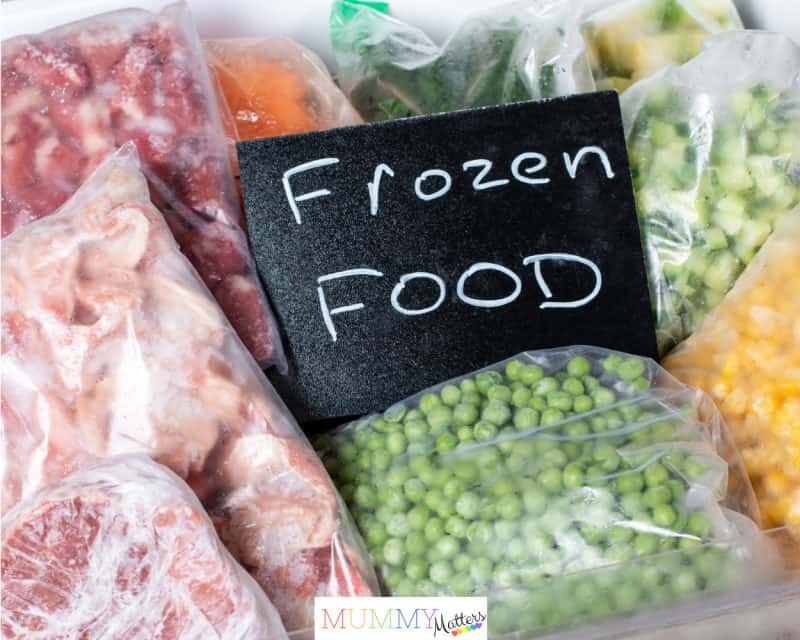
If your freezer is only full of ice cream and frozen chips, you’re missing one of the best money-saving tools in your kitchen.
Over the years, I’ve realised that using the freezer well isn’t just about storing food—it’s about giving yourself more flexibility. It helps reduce waste, makes meal planning easier and means you’re less likely to need an expensive last-minute supermarket trip.
Freeze Food Before It Goes to Waste
We’ve all bought a loaf of bread with good intentions, only to realise a few days later that there’s no chance we’ll finish it before it goes stale.
Now, if I know something isn’t going to be used in time, I’ll freeze it instead.
Some foods that freeze really well include:
- bread
- crumpets
- wraps
- bagels
- grated cheese
- cooked rice
- cooked pasta (best in sauces)
- herbs
- ripe bananas
- cooked chicken
- leftover pasta sauce
It takes just a couple of minutes and can save you from throwing perfectly good food away.
Freeze Ingredients in Family-Sized Portions
One mistake I used to make was freezing everything in one large container.
Now I freeze food in portions that suit our family, so I only need to defrost what we’ll actually eat.
For example, if I’ve cooked extra chicken breasts, I’ll freeze them in meal-sized portions rather than all together. It’s much more convenient and avoids defrosting more than we need.
Take Advantage of Yellow Sticker Bargains
If I’m shopping later in the day and spot reduced meat or bread that’s close to its use-by date, I’ll often buy it if I know we’ll use it.
The key is putting it straight into the freezer when I get home.
There’s no point buying reduced food just because it’s cheap—it only saves money if it actually gets eaten.
Keep a Running List
Have you ever stared into the freezer wondering what was actually in there?
I certainly have!
A simple list stuck to the freezer door (or even a note on your phone) can help you keep track of what you’ve frozen.
Cross items off as you use them and add new ones as they go in. It sounds old-fashioned, but it can stop meals disappearing into the depths of the freezer, never to be seen again.
Think of Your Freezer as Money in the Bank
I’ve started looking at our freezer differently.
Instead of seeing it as somewhere to store food, I see it as storing money.
Every homemade meal, loaf of bread or portion of leftover chicken in there represents food we’ve already paid for. The more we use it, the less often we need to buy something new.
It’s a simple mindset shift, but one that’s helped me make much better use of what we already have.
A well-stocked freezer doesn’t have to be full of expensive ready meals. By freezing leftovers, making the most of reduced items and storing ingredients before they go to waste, you can stretch your grocery budget further while making family mealtimes that little bit easier.
10. Don’t Chase Every Deal—Find a System That Works for Your Family
If you’ve ever watched someone on social media save hundreds of pounds with cashback apps, loyalty schemes, yellow sticker hauls and couponing, it’s easy to feel like you’re doing something wrong.
I’ve been there.
The truth is, there are so many ways to save money on your food shop these days that it can become overwhelming. Before you know it, you’re spending more time chasing deals than you are actually planning your meals.
I’ve realised that consistency beats perfection every single time.
Build Habits You Can Stick To
The money-saving habits that have made the biggest difference for our family aren’t complicated.
They’re things like:
- planning meals before shopping
- checking the cupboards first
- shopping with a list
- freezing leftovers
- using what we already have
- cooking from scratch a little more often.
None of these save hundreds of pounds overnight, but together they make a real difference over the course of a year.
Use Loyalty Schemes Without Letting Them Control You
There’s nothing wrong with collecting loyalty points or taking advantage of genuine offers.
If you regularly shop at a particular supermarket, it makes sense to use its rewards programme and activate any discounts that apply to the products you already buy.
The important thing is not to spend money just to earn points.
A bargain isn’t really a bargain if it’s something your family didn’t need in the first place.
Accept That Every Family Is Different
One thing I’ve learned as a mum is that there’s no such thing as the perfect food budget.
Some families are feeding toddlers, others have hungry teenagers. Some have allergies to consider, while others—like us—have picky eaters whose favourite meals rarely change!
What works brilliantly for one household might not work at all for another.
The goal isn’t to copy someone else’s shopping trolley—it’s to find a routine that keeps your family well fed without stretching your budget unnecessarily.
Small Changes Really Do Add Up
It’s easy to think that saving £3 here or £5 there isn’t worth the effort.
But if you save just £10 a week, that’s more than £500 over a year.
That’s money that could go towards a family day out, Christmas, a holiday fund or simply taking a bit of pressure off your household finances.
You don’t have to overhaul everything overnight. Pick one or two ideas from this guide, give them a try and build from there.
Over time, those small, sustainable changes can have a much bigger impact than trying to do everything at once.
If you’re using autumn as an opportunity to get other areas of family life organised too, have a look at my October reset for a calmer autumn.
Frequently Asked Questions
How can I reduce my family’s food bill without eating unhealthy food?
The best way to save money without compromising on nutrition is to plan your meals, cook from scratch when you can, buy seasonal produce and reduce food waste. Healthy eating doesn’t have to be expensive, especially if you make the most of frozen vegetables, tinned beans and affordable cupboard staples.
What is a realistic weekly food budget for a family in the UK?
Every family is different, but many households spend somewhere between £60 and £120 per week, depending on family size, dietary requirements and where they shop. Planning meals in advance and sticking to a shopping list can help keep costs under control whatever your budget.
Which supermarket is cheapest for families?
Aldi and Lidl are often among the cheapest supermarkets for everyday groceries, while Tesco, Sainsbury’s, Morrisons and Asda can also offer excellent value when you make use of loyalty prices and special offers. Rather than shopping based on brand loyalty alone, it’s worth comparing prices and buying what offers the best value for your family.
Is it cheaper to cook from scratch?
In many cases, yes. Preparing meals from scratch using simple ingredients is often cheaper than relying on ready meals or takeaways. It also gives you greater control over portion sizes and the ingredients you’re serving your family.
How can I stop wasting so much food?
Start by checking your cupboards, fridge and freezer before you go shopping. Plan meals around ingredients you already have, store food correctly, freeze anything you won’t use in time and find creative ways to use leftovers. Even reducing food waste by a small amount each week can make a noticeable difference to your grocery budget.
Is batch cooking worth it if my family are picky eaters?
Absolutely. In fact, it can work particularly well because you already know which meals your family enjoys. Rather than batch cooking lots of different recipes, simply double the meals you know everyone will eat and freeze the extra portions for another day.
Can meal planning really save money?
Yes. Meal planning helps you avoid impulse purchases, reduces food waste and cuts down on those expensive “I’ll just pop to the supermarket” trips during the week. It’s one of the simplest and most effective ways to lower your family’s food bill over time.
Final Thoughts
Feeding a family has never been cheap, and with supermarket prices continuing to fluctuate, it’s understandable that many parents are looking for ways to make their money stretch a little further.
The good news is that you don’t need to overhaul your entire lifestyle to see a difference.
In my experience, the biggest savings come from building simple habits that fit naturally into everyday family life. Planning meals before shopping, making the most of your freezer, reducing food waste and cooking from scratch a little more often have all helped us spend less without feeling like we’re constantly cutting back.
It’s also important to remember that every family is different. What works in our house—with three children who have all gone through phases of being incredibly picky eaters—might look different in yours, and that’s perfectly okay.
Don’t feel you have to try every tip at once. Pick one or two that feel achievable this week and build from there.
Small, consistent changes really do add up, and before long you’ll hopefully notice not only a lower supermarket bill but also less food going to waste and a little less stress around mealtimes.
If you’re looking for practical ideas to put these tips into action, don’t miss my guide to Family Meal Planning on a Budget, where I share exactly how I plan affordable family meals that work in real life.