
If your tap water has a strong chemical smell, you’re not alone. Many households notice a bleach-like odor in their water, especially in showers and kitchen sinks. Choosing the right water filter for chlorine in shower and sink can effectively remove this smell and improve overall water quality. This guide explains why chlorine is present in water, how it affects your home, and what filtration solutions actually work.
What Causes Water to Smell Like Chlorine, and Is It Safe?

Water smells like chlorine because municipal water treatment facilities use chlorine or chloramines to disinfect water and kill harmful microorganisms.
Why is chlorine added?
- Eliminates bacteria and viruses
- Prevents waterborne diseases
- Maintains water safety during distribution
Is it safe?
In regulated amounts, chlorine is considered safe for drinking. However, it can still cause unpleasant taste and odor, and long-term exposure may irritate skin and hair.
Understanding this balance helps explain why filtration is often necessary even when water is technically safe.
Why Does Chlorine Smell Stronger in Showers and Hot Water?
Many people notice that chlorine odor becomes more intense during showers or when using hot water.
What causes this effect:
- Heat accelerates the release of chlorine gas
- Steam carries chlorine vapors into the air
- Enclosed spaces like bathrooms trap the smell
Why it matters:
- Increased inhalation exposure during showers
- Greater skin absorption due to open pores
This is why using a water filter for chlorine in the shower and sink is particularly important for reducing both odor and exposure.
How Does Chlorine Affect Your Skin, Hair, and Indoor Air Quality?
Chlorine can have noticeable effects on personal comfort and indoor environments.
Impact on skin and hair:
- Strips natural oils, leading to dryness
- Causes irritation or itchiness
- Makes hair brittle and dull
Impact on indoor air:
- Chlorine vapors can irritate the eyes and respiratory system
- Strong odors reduce overall comfort
For individuals with sensitive skin or allergies, these effects can be more pronounced, making filtration a practical solution.
What is the Best Water Filter for Chlorine in Shower and sink, and How Does It Work?
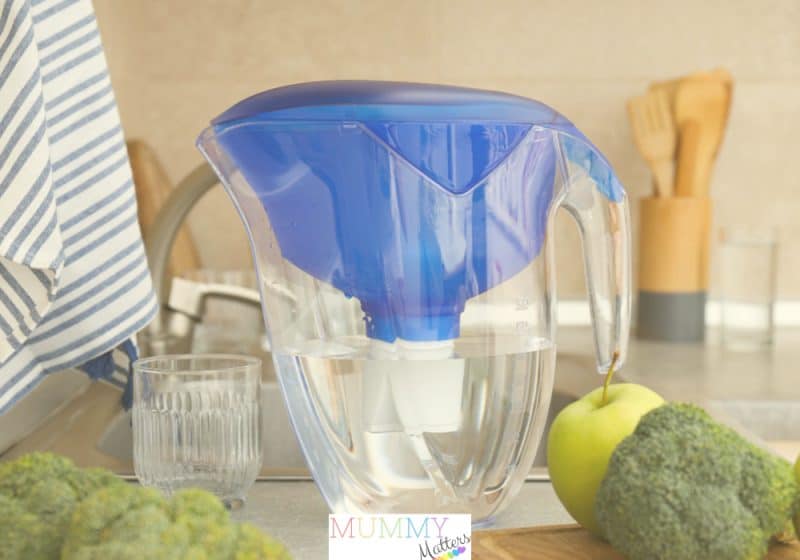
The water filter for chlorine in the shower and sink is specifically designed to remove or reduce chlorine and related compounds from water at key usage points.
Common filtration technologies include:
- Activated Carbon Filters
Absorb chlorine, odors, and organic compounds effectively. - KDF (Kinetic Degradation Fluxion) Media
Uses a redox reaction to reduce chlorine and heavy metals. - Vitamin C Filters
Neutralize chlorine through a chemical reaction, often used in shower filters.
Each technology has its strengths, and many modern systems combine multiple methods for better performance.
What Types of Chlorine Filters Are Available for Home Use?
There are several types of filters designed to remove chlorine from showers and sinks.
1. Shower Filters
Installed directly on the showerhead, these reduce chlorine exposure during bathing.
2. Faucet-Mounted Filters
Attach to kitchen or bathroom taps for improved drinking and washing water.
3. Under-Sink Filtration Systems
Provide more advanced filtration for cooking and drinking water.
4. Whole-House Filtration Systems
Filter all water entering the home, offering comprehensive chlorine removal.
Each type serves a specific purpose, and the best choice depends on your priorities and budget.
Why Should You Use a Water Filter for Chlorine in Shower and Sink Instead of Ignoring the Problem?
Ignoring chlorine in water may not seem urgent, but it can lead to long-term discomfort and inefficiencies.
Key reasons to install a filter:
- Improves water taste and smell
- Protects skin and hair from dryness
- Reduces inhalation of chlorine vapors
- Enhances overall water quality for daily use
Using a targeted filtration system ensures you address the issue at its source rather than masking it.
How Do You Choose the Right Chlorine Filter for Your Home?
Selecting the right water filter for chlorine in shower and sink requires evaluating your household needs and water usage.
Key factors to consider:
- Chlorine Levels in Water
Higher levels may require advanced filtration systems. - Water Temperature Usage
Hot water increases chlorine exposure, making shower filters essential. - Installation Preferences
Choose between DIY-friendly options or professionally installed systems. - Maintenance Requirements
Check filter lifespan and replacement costs. - Flow Rate Compatibility
Ensure the filter does not significantly reduce water pressure.
Making an informed choice ensures effective and long-lasting results.
How Much Maintenance Do Chlorine Water Filters Require?
Maintenance is an important factor when using any water filtration system.
Typical maintenance tasks include:
- Replacing filters every 2–6 months (depending on usage)
- Cleaning filter housings if applicable
- Monitoring water flow and pressure
Regular maintenance ensures consistent performance and prevents a return of chlorine odor.
When Should You Consider Upgrading to a Whole-House Chlorine Filtration System?
In some cases, point-of-use filters may not be enough to address chlorine issues.
Consider a whole-house system if:
- Chlorine smell is present in all water sources
- Multiple family members experience skin irritation
- You want complete water treatment for all uses
Whole-house systems provide a more comprehensive solution, especially for larger households.
Conclusion: Why Using the Right Water Filter for Chlorine in Shower and Sink Improves Daily Life
Dealing with chlorine-smelling water can be frustrating, but it’s a common and manageable issue. Installing the right water filter for chlorine in shower and sink allows you to eliminate unpleasant odors, protect your skin and hair, and improve overall water quality.
As awareness of water quality grows, more homeowners are investing in targeted filtration solutions to enhance comfort and health. Whether you choose a simple shower filter or a more advanced system, removing chlorine from your water is a smart step toward a cleaner, more enjoyable home environment.