
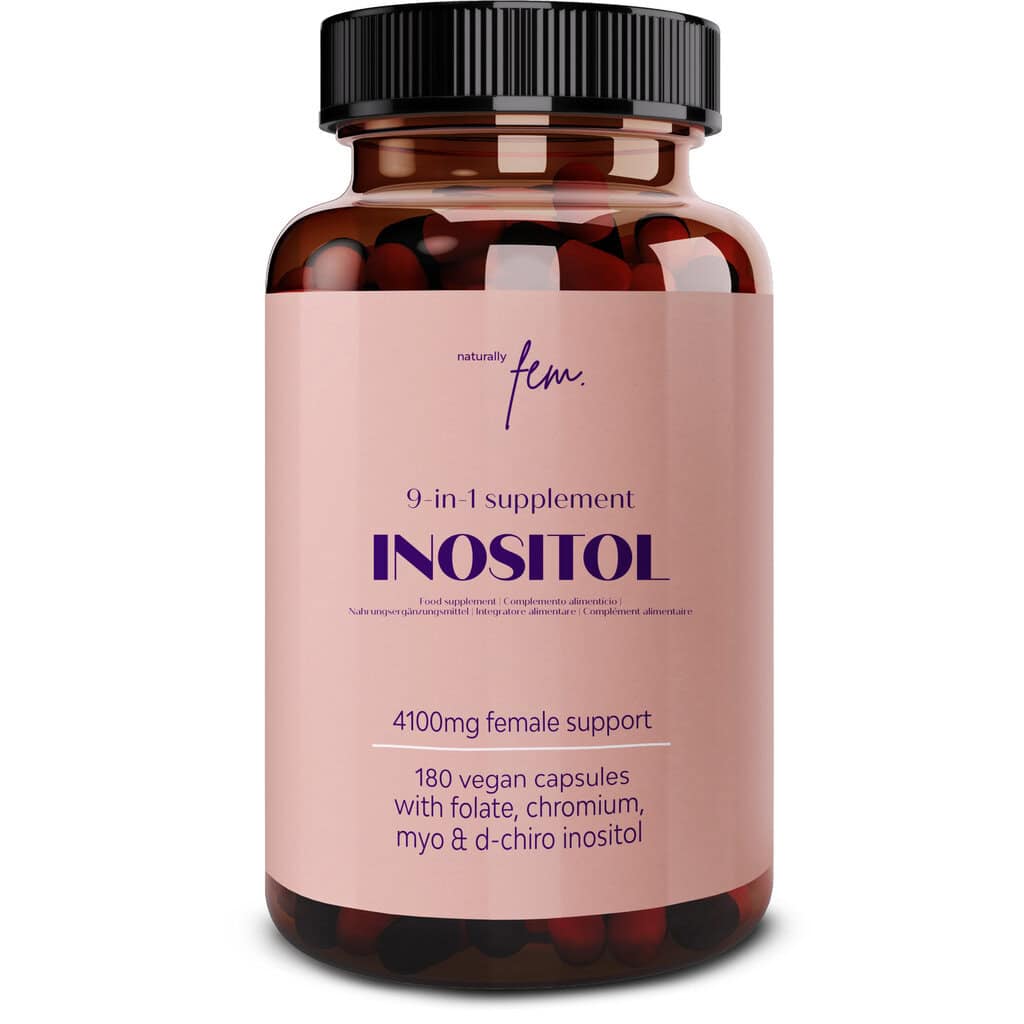
If you have polycystic ovary syndrome (PCOS), you may already have come across inositol. Myo-inositol and d-chiro-inositol supplements are widely promoted for PCOS, with claims that they can support insulin sensitivity, hormone levels, ovulation and fertility.
But the evidence isn’t quite as straightforward as some supplement marketing can make it sound.
Research into inositol for PCOS is promising in some areas, but current international evidence-based guidance describes the overall clinical benefits as limited and says there isn’t yet enough high-quality evidence to recommend a particular type, dose or combination of inositol for PCOS.
That doesn’t mean inositol has no potential benefit. Instead, it means it’s worth understanding what the research actually tells us — and where uncertainty remains — before deciding whether a supplement is right for you.
In this guide, we’ll look at what inositol is, why it’s used for PCOS, the much-discussed 40:1 myo-inositol to d-chiro-inositol ratio, dosage, fertility and insulin resistance, as well as what to consider when choosing a supplement.
If you’re looking for information about the condition itself rather than supplements, start with our guide to PCOS symptoms, diagnosis and treatment.
What is inositol and why is it used for PCOS?
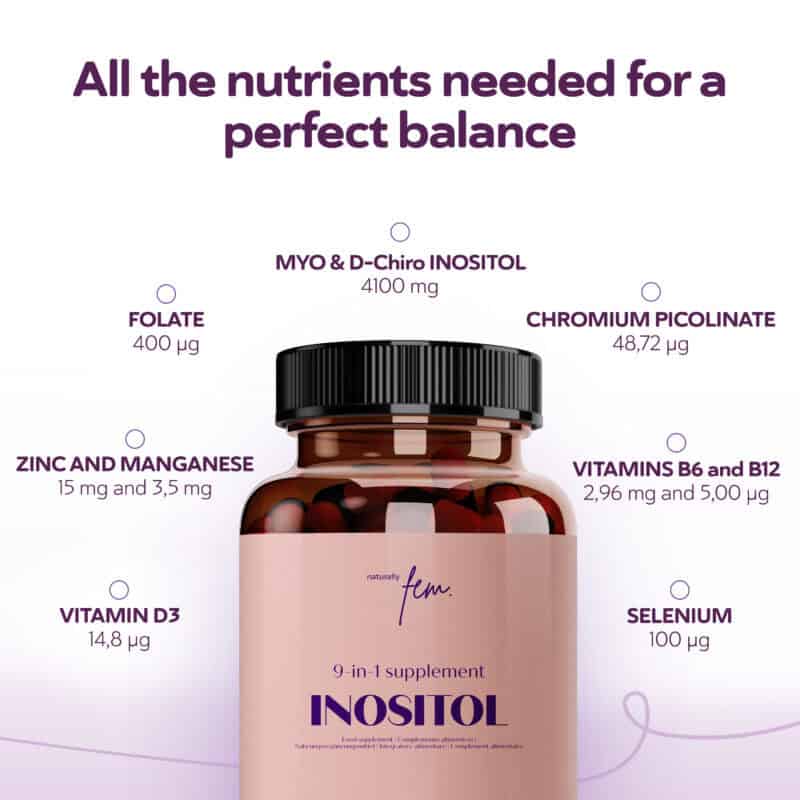
Inositol is a naturally occurring compound found in the body and in foods such as fruits, beans, grains and nuts. Although it’s sometimes referred to as vitamin B8, inositol isn’t actually a vitamin because the body can produce it itself.
There are several forms of inositol, but myo-inositol (MI) and d-chiro-inositol (DCI) are the two most commonly discussed in relation to PCOS.
One reason researchers have been interested in inositol is its involvement in insulin signalling. Insulin resistance is common in people with PCOS, and this can contribute to higher insulin levels and some of the hormonal and metabolic features associated with the condition.
Research has therefore explored whether taking inositol could help with aspects of PCOS including:
- insulin sensitivity and other metabolic measures
- menstrual cycle regulation
- ovulation
- androgen levels
- fertility and reproductive outcomes.
However, it’s important to distinguish between possible benefits seen in individual studies and treatments that have strong enough evidence to be routinely recommended.
A systematic review and meta-analysis used to inform the international PCOS guideline looked at 30 trials involving 2,230 participants. It found evidence of potential benefits for some metabolic measures and possible benefits for some other outcomes, but the researchers concluded that the evidence overall remains limited and inconclusive.
Current international guidance therefore says that inositol can be considered according to an individual’s preferences and values, while recognising that its clinical benefits for outcomes such as ovulation, excess hair growth and weight are limited or uncertain.
Myo-Inositol and D-Chiro-Inositol: Is the 40:1 Ratio Best?
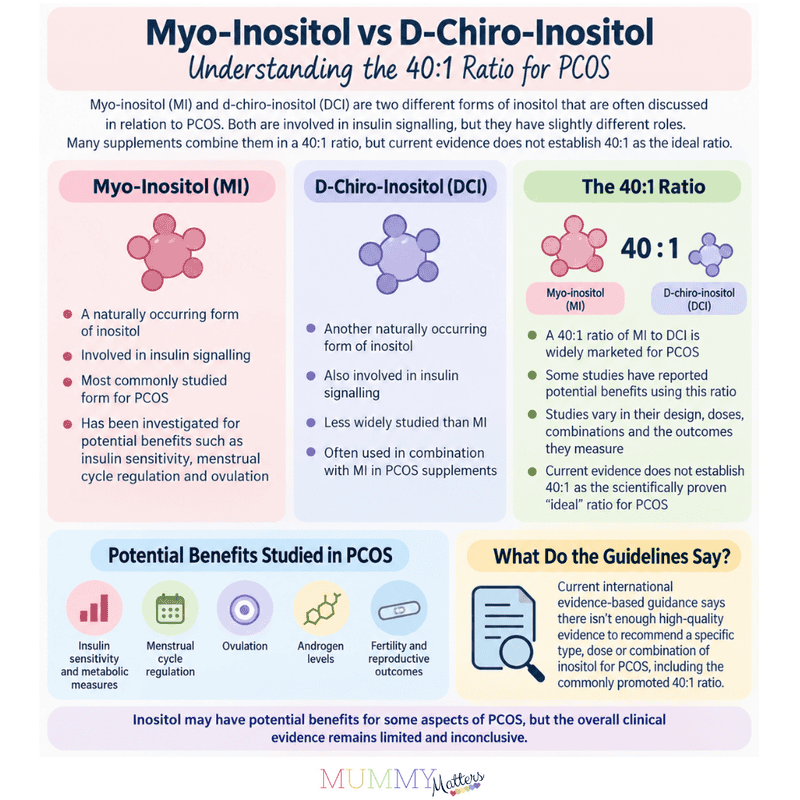
If you’ve been researching inositol supplements for PCOS, you’ve probably seen products containing myo-inositol and d-chiro-inositol in a 40:1 ratio. This combination is widely marketed as the ideal ratio for PCOS, but the evidence isn’t strong enough to say that 40:1 is definitively the best choice.
Both myo-inositol (MI) and d-chiro-inositol (DCI) have roles in insulin signalling, and researchers have investigated them individually and in combination for people with PCOS.
Some studies have reported promising results using a 40:1 ratio of MI to DCI, including potential improvements in certain hormonal and metabolic measures. However, studies vary considerably in their design, doses, combinations and the outcomes they measure.
This makes it difficult to establish whether the 40:1 ratio itself is responsible for the benefits seen or whether another dose or combination would work just as well.
What do the PCOS guidelines say about the 40:1 ratio?
Current international evidence-based guidance is quite clear on this point: there isn’t enough high-quality evidence to recommend a specific type, dose or combination of inositol for PCOS.
That includes the commonly promoted 40:1 myo-inositol to d-chiro-inositol ratio.
This doesn’t mean a 40:1 supplement can’t be used or that studies investigating it have found no benefits. It simply means we don’t currently have strong enough evidence to call it the scientifically proven “ideal” ratio.
If you’re considering taking inositol, particularly if you’re trying to conceive, undergoing fertility treatment, taking medication or managing insulin resistance or another health condition, it’s sensible to discuss it with your GP, pharmacist or relevant healthcare professional.
The 2026 guideline is particularly helpful here because its evidence review found no differences between MI+DCI and MI alone for several key outcomes, while some biochemical markers did improve; importantly, it rated that evidence very low certainty.
How Much Myo-Inositol Should You Take for PCOS?
One of the most common questions about inositol is how much to take for PCOS. You’ll often see specific doses recommended online, particularly 2,000 mg of myo-inositol taken twice daily, sometimes alongside d-chiro-inositol.
However, it’s important to understand that this isn’t currently an officially recommended dose for PCOS.
Studies have investigated different amounts and formulations of inositol, which makes it difficult to determine an optimal dose. Current international evidence-based guidance states that specific types, doses or combinations of inositol cannot currently be recommended because there isn’t enough high-quality evidence.
Why do you often see 2,000 mg recommended?
The 2,000 mg figure appears frequently because this amount of myo-inositol has been used in a number of studies and is also commonly included in commercial PCOS supplements. Some products recommend taking this amount twice daily.
That doesn’t mean 2,000 mg — or 4,000 mg per day — has been established as the ideal dose for everyone with PCOS.
The appropriate decision may depend on factors including the formulation you’re considering, why you want to take it, other medicines or supplements you use, and your individual health circumstances.
Should you speak to a healthcare professional first?
It’s sensible to discuss inositol with a GP, pharmacist or other appropriately qualified healthcare professional, particularly if you’re:
- trying to conceive or undergoing fertility treatment
- pregnant or breastfeeding
- taking prescription medication
- managing diabetes or problems with blood sugar
- taking several supplements
- unsure which formulation or dose is appropriate.
The international guideline also recommends telling your healthcare professional if you’re taking inositol or other complementary therapies.
One more reason for being careful about very specific product recommendations is that supplements aren’t regulated in the same way as medicines, and the guideline notes that quality and dose can vary between products.
Can Inositol Help with PCOS Fertility and Ovulation?

PCOS can affect fertility because hormonal changes may make ovulation irregular or prevent it from happening consistently. This is one reason inositol has attracted so much interest among people with PCOS who are trying to conceive.
Some studies have suggested that myo-inositol or d-chiro-inositol may improve certain reproductive or metabolic measures. Researchers have also investigated whether inositol could support ovulation and fertility treatment outcomes.
However, the evidence isn’t strong enough to say that taking inositol will improve your chances of becoming pregnant or having a baby.
A systematic review used to inform international PCOS guidance found some potential benefits from inositol but concluded that the evidence overall was limited and inconclusive.
Does inositol help you ovulate?
There is some evidence suggesting that inositol may influence ovulation in people with PCOS, but study results aren’t consistent enough to establish it as a proven ovulation treatment.
The current international guideline describes the evidence for effects on ovulation, clinical pregnancy and live birth rates as limited and uncertain.
So while you may see claims online that myo-inositol can “restore ovulation” or “boost fertility”, those statements are stronger than the current evidence supports.
What if you’re trying to conceive?
If you have PCOS and are struggling to conceive, taking an inositol supplement shouldn’t replace appropriate fertility assessment or evidence-based treatment.
The 2026 international guideline currently considers inositol, whether used alone or alongside other therapies, an experimental fertility therapy for people with PCOS/PMOS and infertility because its benefits and risks remain too uncertain for it to be recommended as a fertility treatment.
That doesn’t necessarily mean you shouldn’t take it. It means it’s worth discussing inositol with your GP or fertility specialist so that you can consider the uncertain evidence alongside your own circumstances and any other treatment you’re receiving.
If you’re preparing to try for a baby, our preconception health guide for women and men covers some of the wider evidence-based steps you can take before conception.
If you’re particularly interested in the female side of preconception health, I’ve also looked at how to improve egg health before pregnancy, including what you can realistically influence through lifestyle and where some of the common “egg quality” claims go beyond the evidence.
Can Inositol Help with Insulin Resistance in PCOS?
Insulin resistance is common in people with PCOS. It means the body’s cells don’t respond to insulin as effectively as they should, so the body may produce more insulin to help keep blood glucose levels under control.
Higher insulin levels can interact with the hormonal changes associated with PCOS, which is one reason researchers have investigated whether inositol could be useful.
What does the research show?
Myo-inositol and d-chiro-inositol are involved in insulin signalling, and studies have reported improvements in some metabolic measures in people with PCOS taking inositol.
However, the results aren’t consistent across all studies or all outcomes.
The current international evidence-based guideline says that inositol may potentially improve some metabolic measures, but also emphasises that the quality of much of the evidence is limited. Research comparing combinations of myo-inositol and d-chiro-inositol with myo-inositol alone has found improvements in some biochemical measures, including fasting glucose, but the certainty of this evidence was rated very low.
A systematic review of 30 trials involving 2,230 participants similarly found possible benefits for some metabolic measures but concluded that the evidence supporting inositol for PCOS overall remains limited and inconclusive.
Is inositol a treatment for high blood sugar or diabetes?
Inositol shouldn’t be considered a replacement for prescribed medication or medical care for insulin resistance, prediabetes or type 2 diabetes.
If you have concerns about your blood sugar or have been diagnosed with insulin resistance or diabetes, speak to your GP or healthcare team before relying on an inositol supplement. This is particularly important if you’re already taking medication that affects your blood glucose.
How to Choose an Inositol Supplement for PCOS
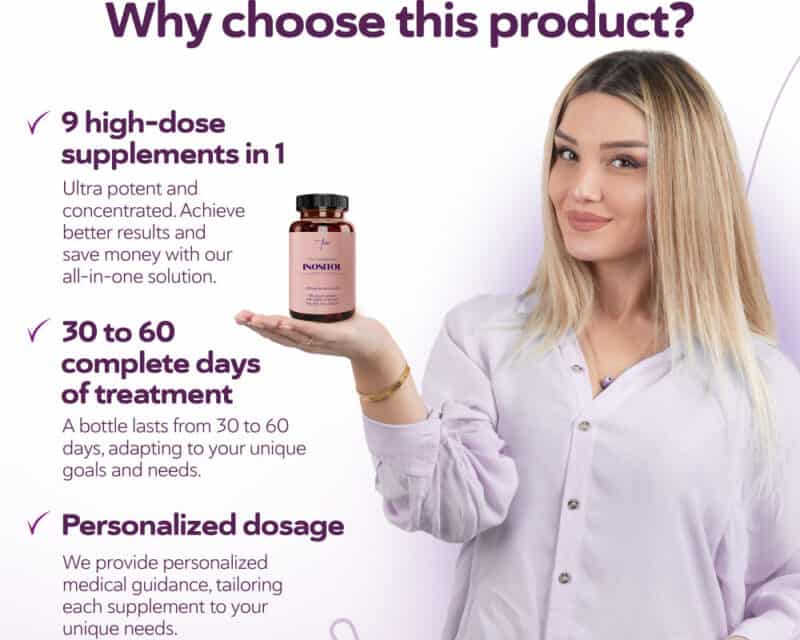
If you’ve decided that you’d like to try inositol, the number of supplements available can make choosing one confusing. Products vary in the form of inositol they contain, the amount per serving, whether they combine myo-inositol with d-chiro-inositol, and the additional ingredients included.
Rather than looking for a supplement claiming to be the “best for PCOS”, consider:
- The form of inositol: Check whether the product contains myo-inositol, d-chiro-inositol or a combination of the two.
- The amount per serving: Don’t assume that a higher dose is automatically better. As discussed above, there isn’t currently enough evidence to recommend one particular dose for PCOS.
- The MI:DCI ratio: Many PCOS supplements use the popular 40:1 ratio, but current evidence doesn’t establish this as the ideal ratio.
- Other ingredients: Some products contain additional vitamins, minerals or herbal ingredients. Check these carefully, particularly if you’re already taking a multivitamin or prenatal supplement.
- Quality and transparency: Look for a reputable manufacturer that clearly lists ingredients and quantities and provides appropriate quality information about its products.
- Cost per daily serving: Compare the recommended serving rather than simply comparing the price of the packet, as serving sizes can differ considerably.
Are There Any Side Effects of Inositol?
Inositol is generally described as being well tolerated in studies, but that doesn’t mean supplements are completely free from side effects.
Reported side effects can include:
- nausea
- stomach discomfort
- diarrhoea
- headaches
- dizziness.
Side effects may vary according to the dose and formulation used, and research into the long-term use of inositol supplements for PCOS is still limited.
Is Inositol Safe for Everyone?
Although inositol supplements are readily available without a prescription, it’s worth remembering that supplements aren’t assessed and regulated in the same way as medicines.
Speak to a GP, pharmacist or another appropriately qualified healthcare professional before taking inositol if you’re pregnant or breastfeeding, undergoing fertility treatment, taking prescription medication, managing diabetes or another medical condition, or aren’t sure whether it is suitable alongside other supplements you take.
If you experience persistent or concerning symptoms after starting any supplement, stop taking it and seek appropriate medical advice.
Can You Take Inositol with Metformin?
You may come across inositol being compared with metformin, as both have been studied in relation to the metabolic features of PCOS.
However, they aren’t interchangeable. Metformin is a medicine used for specific medical indications, while inositol is available as a dietary supplement.
Current international PCOS guidance notes that metformin should be considered over inositol for some PCOS features because the evidence for inositol’s clinical benefits remains limited.
If you’ve been prescribed metformin, don’t stop it or replace it with inositol without discussing this with your healthcare professional. If you’re interested in taking inositol alongside metformin, ask whether that is appropriate for your individual circumstances.
Is Inositol Worth Taking for PCOS?
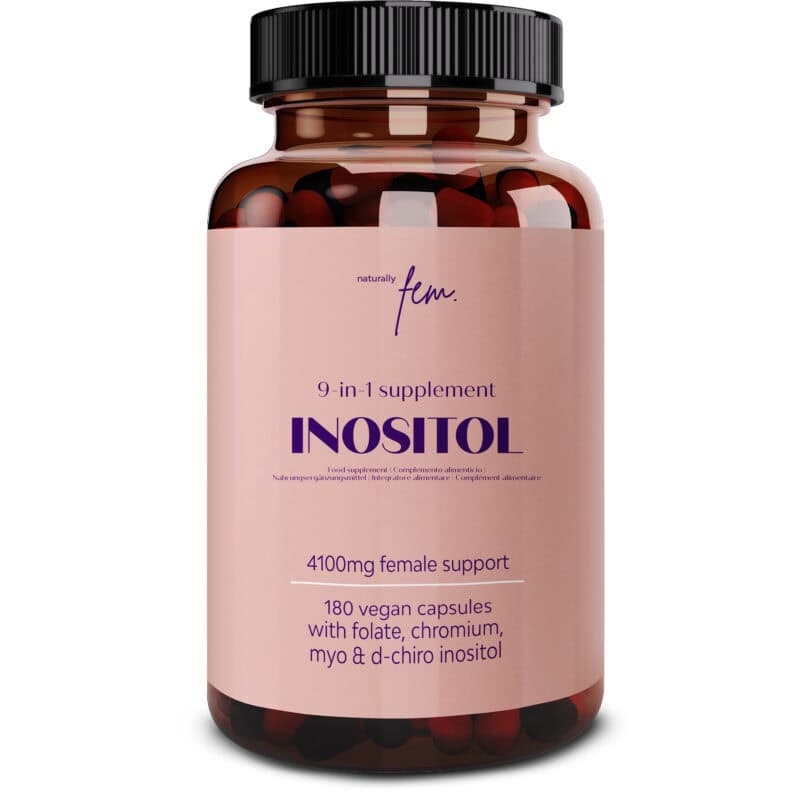
Inositol is an interesting area of PCOS research, particularly because of its potential effects on insulin signalling and some metabolic measures. However, it’s important to separate promising research from the much stronger claims you may see when inositol supplements are marketed online.
Current evidence doesn’t establish a particular form, dose or ratio of inositol as the best choice for PCOS. There is also still uncertainty about how much difference supplementation makes to outcomes such as ovulation, fertility, weight and other PCOS symptoms.
For some people, inositol may be something they choose to try after considering the potential benefits, limitations, cost and their individual circumstances. For others, established treatments or lifestyle approaches recommended by their healthcare team may be more appropriate.
If you’re considering inositol because you’re struggling with PCOS symptoms, irregular periods, fertility or concerns about insulin resistance, speak to your GP or another appropriately qualified healthcare professional. They can help you look at the bigger picture rather than relying on a supplement alone.
If you’re still learning about the condition itself, read our guide to PCOS symptoms, diagnosis, treatment and long-term health.
About this article: This article provides general information about inositol and PCOS and isn’t a substitute for individual medical advice. It has been updated using current international evidence-based guidance for PCOS and published research into inositol. If you’re considering taking a supplement, particularly alongside medication or fertility treatment, speak to an appropriately qualified healthcare professional.