
Many boutique owners struggle with the same problem: their jewelry looks attractive in the display case, but sales stay inconsistent. Customers browse, compliment the collection, and leave without buying. In most cases, the issue is not pricing alone. The real problem usually comes down to product selection, presentation, and understanding how shoppers actually wear jewelry in daily life.
Successful boutiques treat jewelry as a core part of the customer experience instead of a small add-on near checkout. They pay close attention to quality, styling habits, gifting trends, and repeat buying behavior. They also understand that customers want pieces that feel easy to wear, easy to style, and worth buying more than once. Stores that consistently sell jewelry well tend to follow similar patterns when curating collections. Their choices feel intentional, and customers notice that immediately while shopping.
Everyday Pieces That Actually Sell

Boutiques with strong jewelry sales usually focus heavily on everyday wear. Customers often look for pieces they can style quickly before work, dinner, travel, or casual outings. Lightweight chains, small hoops, stacking rings, and simple bracelets tend to perform well because they fit naturally into daily routines. These pieces also encourage repeat purchases since shoppers often return for additional colors, finishes, or matching styles.
Many boutique owners overestimate demand for oversized statement jewelry. Bold pieces attract attention online, but wearable jewelry drives more consistent sales inside physical stores. Customers want comfort, versatility, and durability. They also want jewelry that pairs easily with clothing they already own. Successful boutiques understand this buying behavior and often source reliable everyday collections from suppliers like Wholesale Jewelry Website to keep up with customer demand for wearable, trend-conscious pieces. Their displays feel approachable because customers can immediately picture themselves wearing the jewelry regularly instead of saving it for special occasions.
Building a Recognizable Jewelry Style
Strong boutiques create jewelry collections that match the overall personality of the store. Customers notice when inventory feels random or disconnected. A boutique with soft neutral clothing and minimalist décor usually performs better with delicate layered jewelry than flashy oversized designs. Consistency helps customers trust the store’s taste level and makes shopping feel easier.
Boutique owners who understand their target audience make better inventory decisions. Some shoppers prefer timeless gold pieces they can wear daily, while others look for trend-focused charm jewelry or faith-inspired styles. Successful stores avoid trying to appeal to everyone at once. They build a clear point of view and stay consistent with it across displays, packaging, photography, and new arrivals.
This approach also improves online selling. Customers who recognize a boutique’s style are more likely to follow social media accounts, revisit websites, and purchase repeatedly throughout the year.
Refreshing Collections Without Losing Best Sellers
Successful boutiques update their jewelry sections carefully. They introduce fresh styles without removing the pieces customers already trust. Many store owners make the mistake of replacing inventory too quickly, especially after seeing short-term trends online. That usually leads to inconsistent sales because loyal customers return looking for familiar items. Strong boutiques keep reliable staples available year-round while rotating smaller trend-focused collections each season. This approach creates stability and still keeps displays feeling current. It also helps owners track which styles truly perform over time. Jewelry buying works best when stores test trends gradually instead of overcommitting early. A small seasonal collection often gives better insight than a large risky order. Customers appreciate seeing new arrivals, but they also expect their favorite layering chains, simple hoops, and everyday rings to stay in stock consistently.
Learning From Customer Shopping Habits

Experienced boutique owners spend time observing how customers interact with jewelry displays. They notice which pieces shoppers touch first, which styles people try on repeatedly, and which items spark conversations. These small details reveal buying patterns that sales reports often miss. For example, customers may admire bold statement pieces but purchase smaller, wearable designs before checkout. Smart boutiques adjust future inventory based on real customer behavior instead of personal taste alone. Social media also gives useful clues. Saved posts, product shares, and direct messages often show stronger buying interest than likes. Boutique owners who pay attention to customer questions gain valuable insight as well. When shoppers repeatedly ask about waterproof jewelry, adjustable sizing, or tarnish resistance, those requests usually signal broader market demand that deserves more shelf space in future collections.
Buying Jewelry With Long-Term Value
Strong boutique owners think beyond fast-moving trends when choosing jewelry inventory. They focus on pieces customers can wear repeatedly across different seasons and outfits. Jewelry that feels versatile usually delivers stronger long-term sales than highly specific trend items. Owners also look at pricing carefully. Customers expect affordable fashion jewelry to hold up through daily wear, especially with growing awareness around tarnish-resistant materials. Reliable boutiques avoid buying large quantities of untested styles simply because they appear popular online for a few weeks. Instead, they build collections around dependable categories like layering necklaces, small hoops, stackable rings, and meaningful charms. Long-term thinking also applies to vendor relationships. Boutiques benefit from working with suppliers that maintain consistent quality, reliable shipping, and stable inventory availability, making future restocking much easier during busy sales periods.
When choosing suppliers, it’s worth looking beyond price alone. Material quality, manufacturing standards and consistency all have a direct impact on customer satisfaction and repeat purchases. Many boutique owners now favour 316L stainless steel because it offers excellent durability, is highly resistant to tarnishing and suits customers looking for low-maintenance everyday jewellery. Working with a reputable 316L stainless steel jewelry wholesale supplier can also make it easier to maintain consistent stock levels, expand collections over time and build long-term trust with customers.
Creating Displays Customers Actually Notice
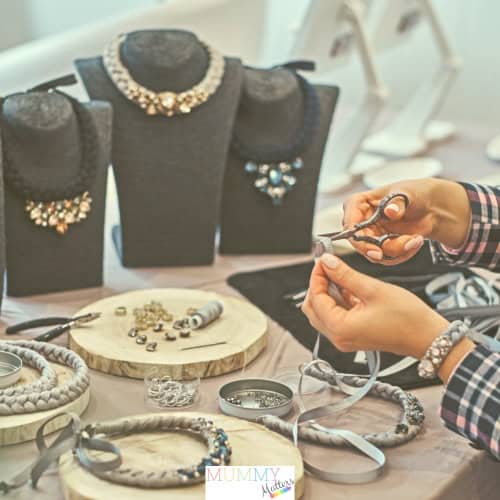
Jewelry displays influence buying decisions more than many boutique owners realize. Customers often decide within seconds whether a display feels worth browsing. Successful boutiques avoid overcrowding cases with too many similar pieces because clutter makes shopping harder. Clear spacing helps customers focus on individual items and picture themselves wearing them. Many stores group jewelry by style, metal finish, or occasion to create a smoother shopping experience. Lighting also matters. Warm lighting usually helps gold jewelry appear richer, while clean white lighting works well for silver and stainless steel pieces. Display height can affect engagement too. Eye-level arrangements naturally attract more attention than lower crowded trays. Boutiques that regularly clean mirrors, organize tangled chains, and refresh displays weekly create a more polished environment that encourages customers to spend extra time exploring jewelry collections.
Successful boutiques approach jewelry collections with a clear strategy and consistency. They pay attention to customer behavior, choose wearable styles, maintain reliable quality, and create displays that feel inviting instead of overwhelming. Strong collections usually grow through steady decisions rather than constant trend chasing. Customers remember boutiques that make shopping feel easy and personal.
Jewelry remains one of the most effective categories for increasing repeat visits and impulse purchases when stores curate it thoughtfully. Boutique owners who understand what their customers actually wear, gift, and repurchase build stronger long-term sales naturally. A carefully planned jewelry collection supports brand identity, improves customer trust, and creates a shopping experience people want to return to regularly.