

Underfloor heating is one of the best upgrades you can add to a bathroom. It keeps your feet warm, dries water faster, and makes the space feel comfortable year-round.
But underfloor heating only works well if you choose the right bathroom flooring. Some floor types transfer heat perfectly, while others block it and waste energy.
So, what bathroom floor type is really best for underfloor heating? Let’s break it down in a clear, simple way.
Why Flooring Choice Matters for Underfloor Heating
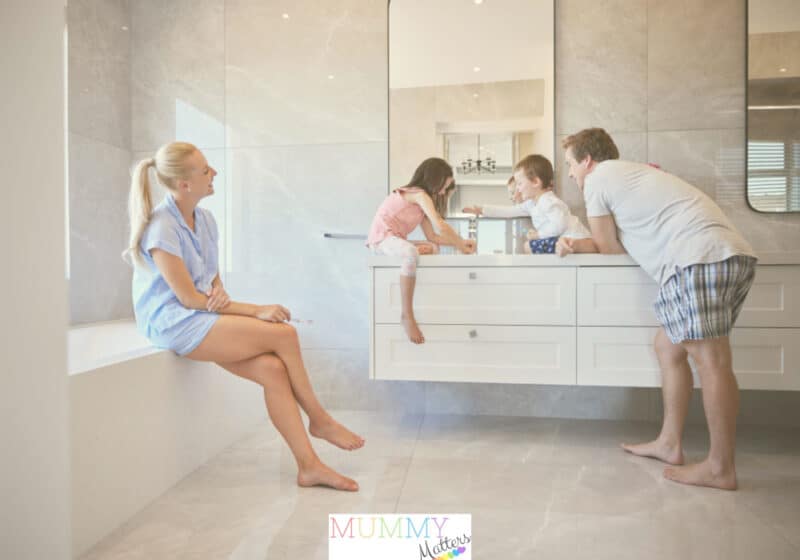
Underfloor heating works by sending heat upward through your floor. If the floor material holds heat well, your bathroom warms up faster and stays warm longer. If the material blocks heat, your system has to work harder and costs more to run.
The best bathroom flooring for underfloor heating should:
- Transfer heat efficiently
- Handle moisture and humidity
- Stay stable with temperature changes
- Feel comfortable under bare feet
Ceramic and Porcelain Tile: The Top Choice
Ceramic and porcelain tiles are widely considered the best bathroom flooring for underfloor heating.
These tiles heat up quickly and spread warmth evenly across the floor. Once warm, they hold heat for a long time, even after the system turns off. This makes them very energy-efficient.
They also handle water extremely well, which is essential in a bathroom. Porcelain tiles are especially strong and absorb very little moisture.
Why tiles work so well:
- Excellent heat transfer
- Water-resistant and durable
- Easy to clean and maintain
- Available in many styles, including stone and wood looks
If comfort, efficiency, and reliability matter most, tile flooring is hard to beat.
Natural Stone: Luxury With Excellent Heat Performance
Natural stone flooring, such as marble, slate, or travertine, also works very well with underfloor heating. Stone absorbs heat slowly but holds it for a long time, creating a steady and comfortable warmth.
Stone floors feel cold without heating, which makes underfloor heating almost essential if you choose this option. With heating installed, stone becomes one of the most luxurious bathroom flooring choices.
Things to keep in mind:
- Higher cost than tile
- Requires sealing to protect from moisture
- Heavier material, so the floor structure must support it
If the budget allows, stone delivers both beauty and warmth.
Luxury Vinyl Flooring: A Softer Alternative
Luxury vinyl flooring is becoming more popular in modern bathrooms. Many vinyl products are now designed to be compatible with underfloor heating systems.
Vinyl does not transfer heat as fast as tile or stone, but it still warms up well and feels softer underfoot. This makes it a good option if comfort is your top priority.
Pros of vinyl flooring:
- Water-resistant
- Comfortable and quiet to walk on
- Budget-friendly compared to stone
However, you must always check the manufacturer’s temperature limits. Too much heat can damage vinyl if it’s not designed for underfloor systems.
Engineered Wood: Warm Look, Careful Choice
Solid wood is not recommended for underfloor heating in bathrooms. It expands and contracts too much with heat and moisture.
Engineered wood, however, can work if chosen carefully. It is made of layers that reduce movement, making it more stable than solid wood.
Important considerations:
- Must be labeled as underfloor heating compatible
- Requires strict temperature control
- Needs excellent waterproofing
While engineered wood offers a warm, natural look, it is not as efficient or low-maintenance as tile or stone in a bathroom setting.
Laminate Flooring: Possible but Not Ideal
Some laminate flooring options are approved for underfloor heating, but laminate is not the best choice for bathrooms overall. Moisture is the main concern.
Even water-resistant laminate can swell if water gets into the seams. Heat transfer is also weaker compared to tile or stone.
Laminate can work in low-moisture bathrooms, but it requires careful installation and constant moisture control.
Flooring Types to Avoid
Certain floor types simply do not work well with underfloor heating in bathrooms:
- Carpet: Blocks heat and traps moisture
- Solid hardwood: High risk of warping
- Cheap vinyl or rubber flooring: Can degrade under heat
Avoiding these materials helps protect both your heating system and your bathroom floor.
Final Verdict: The Best Bathroom Flooring for Underfloor Heating
If you want the best performance, durability, and comfort, ceramic or porcelain tile is the top choice for bathroom flooring with underfloor heating. It heats efficiently, handles moisture, and lasts for decades.
For a high-end feel, natural stone is an excellent upgrade. For comfort and affordability, luxury vinyl is a strong alternative if properly rated.
Choosing the right bathroom flooring ensures your underfloor heating works efficiently, saves energy, and keeps your bathroom warm and inviting every day.