

Recovery is a key component of health and performance. When you use the best approach with a muscle rub, you can heal your injuries faster. So, you want to speed up recovery—this article analyzes nine effective recovery strategies to ensure you do just that.
1. Prioritize Rest and Sleep
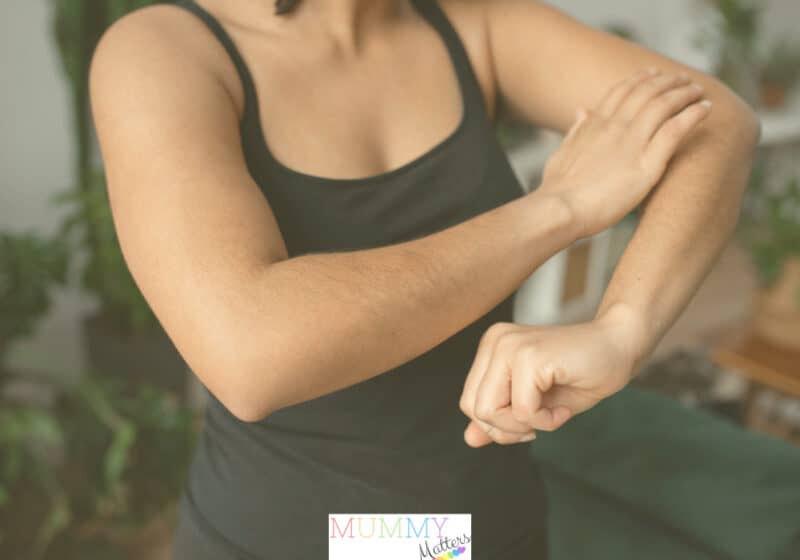
For recuperation, it is essential to have a period of rest and sleep. The body also repairs tissues and restores energy levels while we are sleeping. Close your eyes for seven to nine hours each night. Improve the quality of your sleep and establish a consistent sleep pattern to optimize your sleep habits. Create a more relaxing environment by dimming the lights and avoiding screens for at least 30 minutes before bedtime. You can soothe post-workout discomfort with a rejuvenating muscle rub that targets tight areas.
2. Stay Hydrated
Everything is supported by hydration, namely, recovery. It facilitates the transportation of nutrients to muscles and also helps flush out toxins. Sufficient hydration can help alleviate soreness and muscle fatigue you may experience throughout the day. If you are engaging in strenuous exercise, be sure to incorporate electrolyte-rich drinks to help replenish the minerals you may be losing.
3. Balanced Nutrition
Replenish with a balanced diet. To recover, it is essential to eat a balanced diet that provides all the necessary nutrients. Protein helps repair muscle fibers & carbohydrates help replenish energy stores. Add a colorful range of fruits and vegetables to provide vitamins and antioxidants. Additionally, healthy fats are recognized for their anti-inflammatory properties. Eating balanced meals helps the body heal itself.
4. Gentle Stretching
Gentle stretching daily can actually increase mobility and help ease tension. Stretching improves blood circulation to the muscles, which promotes their recovery. Dynamic stretches should be used before physical activity, and static stretches should be used after. Keeping the spine limber and having a wide range helps avoid tightening and increases relaxation.
5. Cold and Heat Therapy
Repeated cold and heat therapies may help relieve pain and promote recovery. Ice packs are an at-home example of cold treatment, which reduces swelling and numbs pain. Heat therapy involves the use of heated towels or heat pads to soothe the body’s muscles and promote blood circulation. Using these methods at varying times is a great way to combat soreness.
6. Massage and Foam Rolling
Using a foam roller or massaging those muscles can help relieve any tightness and increase pliability. They’re excellent ways to release knots and boost circulation, which contribute to faster recovery. Use a foam roller on tight or tender areas. Regular massages also improve relaxation and reduce stress.
7. Active Recovery
Low-intensity activities promote recovery, allowing the muscles to rest without overload while engaging in activities like walking or swimming. Getting the blood flowing and circulating, carrying nutrients to the tissues, is what active recovery is designed to do. Options range from self-stretching to massage therapy, but they all help to avoid stiffening, making everyday motions more difficult. Include gentle movement on non-training days to speed up recovery.
8. Mindfulness and Relaxation Techniques
Mindfulness and relaxation practices can assist in recovery. Meditation, deep breathing, and similar practices help reduce stress and promote positive mental health. Less tension in the body means a faster recovery, as less stress leads to more rapid healing. Invest some time daily in mindfulness practices for a well-rounded recovery.
9. Use of Supplements
Supplements can be used to enhance a healthy diet plan by providing additional nutrients that may be lacking; for instance, omega-3 fatty acids help reduce inflammation. Protein supplements support muscle repair. Before taking any supplements, it is recommended to consult a healthcare professional to confirm that they are compatible with the individual’s health circumstances.
Conclusion
Using a muscle rub with some of these recovery techniques can only make things better. Recovery is based on priorities such as rest, hydration, and balanced nutrition. Incorporating stretching, therapy, and mindfulness practices only aids in the healing process. The combination of these techniques enables faster recovery and improved overall health.