
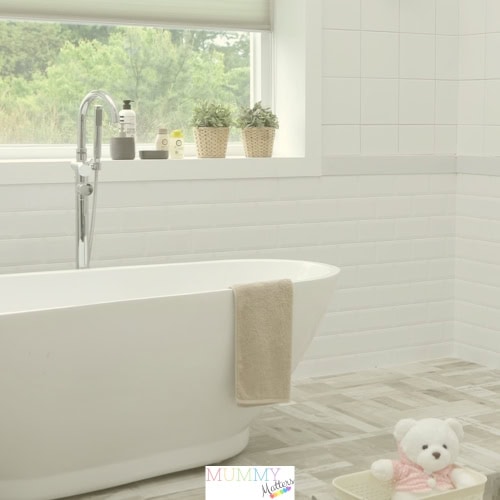
Bathroom design moving toward 2026 shows a noticeable change in priorities inside the home. People now want bathrooms that support daily routines without feeling overstimulating or overly decorative. The space has taken on a quieter role, one that supports personal care, slower moments, and consistent comfort. Design choices lean toward restraint, clarity, and materials that feel familiar rather than attention-seeking.
Instead of chasing short-term design ideas, homeowners now gravitate toward styles that feel steady and considered. Layouts focus on ease of movement, finishes feel intentional, and color choices lean toward comfort. Bathrooms have become spaces where visual calm matters just as much as function. This direction continues gaining attention as people invest in designs that feel reliable and grounded for years ahead.
Soft Minimalist Bathrooms

Minimalist bathrooms center around openness and clarity without feeling cold or stripped down. Surfaces remain clean, lines stay simple, and visual distractions stay limited. The goal involves creating a space that feels composed and restful while still offering warmth through thoughtful materials and gentle tones. Storage remains discreet, allowing everyday items to stay tucked away, which supports a calmer environment throughout the day.
No matter the design direction, hiring bathroom remodeling experts supports a smoother process and lasting results. Professional planning helps translate simple concepts into well-executed spaces where proportions, materials, and finishes work together seamlessly. Skilled experts understand how to balance layout, lighting, and installation details so the final space feels cohesive and intentional rather than unfinished.
Modern Organic Bathrooms
Modern organic bathrooms draw inspiration from natural forms while maintaining structured layouts. Rounded edges, smooth transitions, and tactile surfaces guide the overall feel of the space. This style avoids harsh angles and instead favors gentle curves that feel comfortable and welcoming. Materials such as stone, wood, and textured finishes bring visual depth without overwhelming the room.
The appeal of this style comes from its grounded presence. Surfaces feel natural to the touch, and color choices stay rooted in neutral territory. The result feels calming and approachable, making the bathroom feel like an extension of everyday living rather than a separate design statement.
Nature-Driven Bathrooms
Stone textures, wood accents, and earth-inspired finishes create a sense of familiarity that feels steady and comforting. Light often plays a key role, with layouts designed to support openness and natural brightness wherever possible.
This style prioritizes sensory comfort. Surfaces feel grounded, colors stay muted, and layouts support quiet routines. Nature-driven bathrooms encourage a slower pace without relying on decorative excess. The space feels settled and intentional, supporting daily use without visual distraction.
Earthy Bathrooms
Earth tone-focused bathrooms revolve around warm, grounded color palettes that support visual ease. Shades inspired by clay, sand, stone, and soft greens bring warmth to the space while maintaining a refined appearance. The colors work well across walls, tile, cabinetry, and fixtures, creating a unified look that feels cohesive.
Depth comes from layering finishes rather than introducing competing colors. Matte surfaces, subtle texture, and tonal variation keep the space visually engaging without feeling busy. Earth tone-focused bathrooms feel inviting throughout the day, supporting comfort during both morning routines and evening wind-down moments.
Spa Bathrooms
Spa retreat-style bathrooms focus on relaxation and simplicity within the home. Layouts feel open and uncluttered, allowing movement to feel natural and unforced. Materials favor softness, warmth, and durability, helping the space feel calm rather than clinical. Lighting remains gentle and evenly distributed to support a soothing atmosphere.
This style supports personal care routines that feel unhurried. Deep soaking tubs, walk-in showers, and comfortable spacing contribute to a sense of ease. The overall environment feels restorative, allowing the bathroom to function as a place for reset rather than purely a utility.
Calm Coastal Bathrooms
Calm coastal bathrooms focus on ease and openness without leaning into obvious themes. The style draws from light-filled spaces, gentle color palettes, and relaxed layouts that support comfort throughout the day. Surfaces often feel smooth and natural, creating an atmosphere that feels airy and settled rather than decorative. This approach works well for homeowners who want a sense of openness without visual noise.
Color choices often stay within light neutrals and softened tones that reflect natural light well. Finishes feel clean and understated, allowing the space to feel breathable and welcoming.
Sculptural Modern Bathrooms
Sculptural modern bathrooms place emphasis on form and shape as defining elements of the space. Vanities, sinks, tubs, and lighting often feature bold silhouettes that act as focal points without overwhelming the room. The layout feels intentional, allowing each element to stand confidently within the overall design.
This style values craftsmanship and precision. Materials feel substantial, and shapes feel purposeful rather than decorative. Sculptural modern bathrooms create visual interest through design integrity rather than excess detail.
Quiet Luxury Bathrooms
Quiet luxury bathrooms express refinement through restraint. Finishes feel rich without appearing flashy, and details remain subtle yet intentional. High-quality materials take center stage, allowing texture and craftsmanship to speak for themselves. The overall atmosphere feels composed and polished.
This style focuses on longevity and comfort. Spaces feel balanced and thoughtfully arranged, supporting daily routines without distraction. Quiet luxury bathrooms appeal to homeowners who value depth and quality over visible trends.
Timeless Transitional Bathrooms
Traditional forms and contemporary lines coexist within a single space, creating a look that feels approachable and lasting. The style supports flexibility, allowing the bathroom to adapt as tastes evolve.
Materials and finishes often feel classic, while layouts remain practical and open. This approach suits homeowners who appreciate design stability without committing to a single aesthetic direction. Timeless transitional bathrooms support daily use through balance and thoughtful proportion.
Stone Focused Luxury Bathrooms
Stone focused bathrooms place natural stone at the center of the design. Walls, floors, and surfaces feature stone textures that add depth and presence to the space. The material choice creates a sense of permanence and visual richness that feels grounded and refined.
Texture plays a key role here. Stone surfaces bring variation through natural pattern and tone, allowing the room to feel layered without added ornamentation. Stone-focused luxury bathrooms feel substantial and composed, offering a tactile experience that supports both comfort and visual interest.
Monochromatic Bathrooms
Monochromatic bathrooms rely on a single color family to guide the entire design. Variation appears through texture, finish, and material choice rather than color changes. This approach creates a cohesive look that feels calm and intentional across every surface.
Depth develops through contrast in sheen and form rather than palette. Matte finishes pair with polished surfaces, while smooth textures sit alongside subtle patterns.
Zen-Influenced Bathrooms
Zen-influenced bathrooms prioritize simplicity, order, and calm presence. Layouts feel open, allowing movement to flow naturally through the space. Visual elements remain limited, creating an environment that feels quiet and grounded.
Materials feel natural and tactile, supporting a sense of ease. Light plays a gentle role, helping the space feel balanced throughout the day.
Bathroom styles leading into 2026 are all about a shared desire for calm, clarity, and thoughtful design. Spaces now focus on comfort, material integrity, and lasting appeal. Each style offers a different path toward creating a bathroom that feels supportive and intentional.