

Most people underestimate how different learning Mandarin is from picking up European languages, and the wrong platform makes that gap painfully obvious. Platforms for Learning Chinese need to do more than teach vocabulary. They have to tackle tonal pronunciation, where one wrong pitch turns a word into something completely different, and character memorization, where functional literacy alone requires thousands of symbols. After reviewing the top options across features, learner outcomes, and what people actually report about using them, this guide breaks down four platforms worth your time.
The shortlist methodology
Publicly available information formed the basis of this ranking, drawing from user reviews, feature documentation, and platform profiles found across review sites and official web pages. Only options with a confirmed track record in the language learning edtech space made the cut.
→ See the full research breakdown
- italki – Best for one-on-one conversational language learning
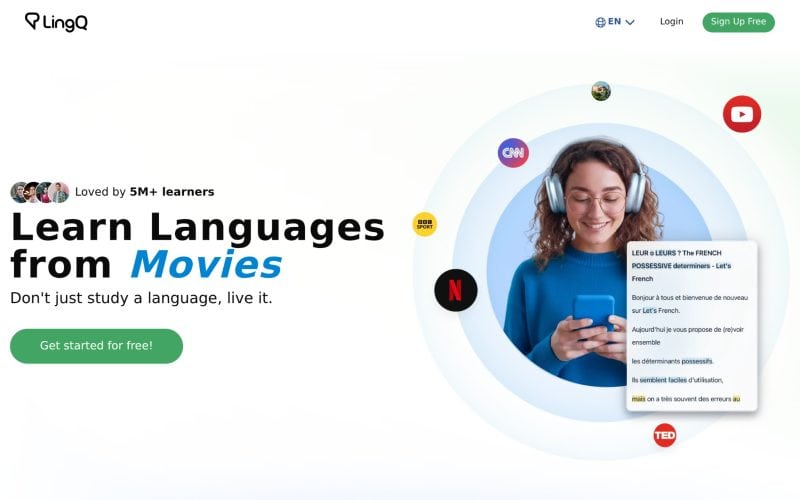
- LingQ – Best for learner-directed language acquisition through authentic content
- Ba Ba Dum – Best for free, gamified language learning
- Live Lingua – Best for personalized language instruction with native tutors
Platforms For Learning Chinese Selection: Why Picking the Top One Is Important

Picking the wrong platform for Mandarin doesn’t just slow you down. It can actually build bad habits that are harder to fix later, especially with tones.
Getting tonal pronunciation right without live feedback is one of the biggest struggles learners face. An automated app might let a mispronounced third tone slide forever, while a skilled native speaker catches it in the first lesson.
Character recognition is the other wall most learners hit. Without a platform built around spaced repetition or meaningful context, those characters just don’t stick.
The right choice has a real, measurable effect on HSK level advancement rate, how many Chinese characters a learner can recognize and write correctly, and tone accuracy scores over time.
A platform built for this language, not just updated to include it, makes all the difference.
Top 4 Platforms For Learning Chinese: Specs at a Glance
Note: All data in this table is sourced from review platforms and the official websites of the listed companies.
| Company Name | Years Operating | Headquartered In |
| italki | Since 2007 | Hong Kong |
| LingQ | Since 2007 | West Vancouver, BC |
| Ba Ba Dum | Since 2014 | Poland |
| Live Lingua | Since 2008 | Boston, Massachusetts |
1. italki – Best for One-on-One Conversational Language Learning

What Does italki Offer?
italki connects learners with native-speaking teachers and community tutors through live one-on-one video lessons across more than 130 languages, with a strong catalog of Mandarin Chinese instructors. The platform runs on a flexible pay-per-lesson model, so learners aren’t locked into subscriptions. Beyond lessons, italki offers peer learning tools like the Notebook feature for written Chinese correction, language partner matching, and community discussion forums. That combination of professional instruction and peer practice is hard to find in one place.
Why Does italki Earn Its Spot for Platforms for Learning Chinese?
Speaking fluency in Mandarin requires regular correction from a real human, not just algorithm feedback, and italki addresses that directly through its live tutor marketplace. That kind of direct, personalized instruction speeds up tone accuracy and conversational confidence in ways that self-study apps simply can’t replicate.
What Customers Highlight:
From what the reviews show, learners consistently point to italki’s flexibility in tutor selection as a standout quality. The ability to browse, compare, and switch between teachers until you find the right fit gets mentioned a lot. Some variation in instructor quality is expected given the open marketplace model, but the sheer breadth of teacher options tends to outweigh that concern for most learners.
2. LingQ – Best for Learner-Directed Language Acquisition Through Authentic Content
What Does LingQ Offer?
LingQ takes a different approach from structured lesson platforms. Instead of drills and curricula, it puts learners inside real content, think podcasts, books, and TV shows, while tools like automatic transcript generation and vocabulary tracking run underneath. The platform covers 50+ languages, and its method was shaped by co-founder Steve Kaufmann, a polyglot who speaks 20 languages and has built a YouTube following of over 760,000 subscribers. That founder credibility isn’t just marketing. It reflects a genuine philosophy about how adults actually absorb language.
Why Does LingQ Earn Its Spot for Platforms for Learning Chinese?
Many learners plateau at beginner Mandarin because structured courses run out of content before real fluency kicks in. LingQ directly solves that by letting learners import and study any native-level material they choose. Learners who engage with authentic content early tend to develop better contextual vocabulary retention and faster reading fluency than those confined to textbook exercises.
What Customers Highlight:
Reviews point to LingQ being ranked the most effective language app by an independent research team, which carries real weight. Users frequently mention the content import feature as the reason they stuck with the platform long-term. The approach does require some self-direction (not ideal for total beginners), but for intermediate Mandarin learners pushing past the HSK 3 ceiling, it’s a genuinely strong fit.
Ba Ba Dum – Best for Free, Gamified Language Learning
What Does Ba Ba Dum Offer?
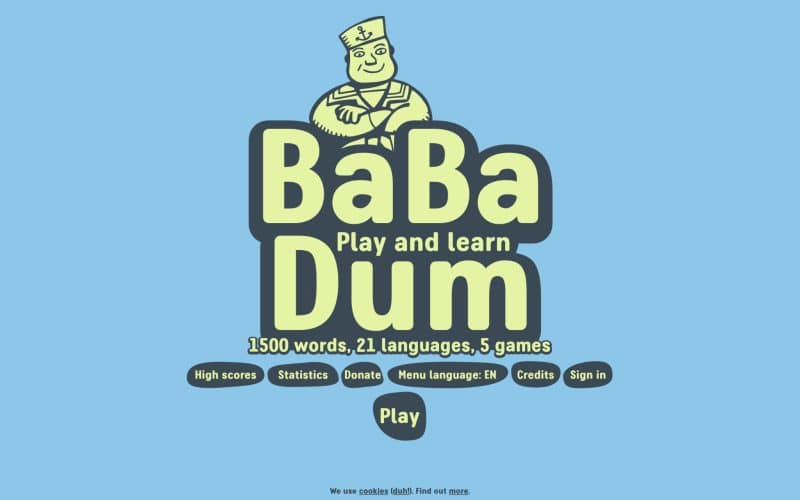
Ba Ba Dum is a completely free, ad-free vocabulary platform built around five game types covering 1,500 words across 20+ languages, including Chinese. The games use image-to-word matching, fill-in-the-blank, multiple choice, word unscrambling, and written-to-image matching. Created by award-winning Polish designers Aleksandra and Daniel Mizielinski, the platform brings a visual design sensibility that feels genuinely different from typical flashcard apps. It’s picked up multiple Awwwards, Adobe Cutting Edge awards, and two FWA awards, which shows the design quality isn’t just cosmetic.
Why Does Ba Ba Dum Earn Its Spot for Platforms for Learning Chinese?
Building a foundational vocabulary in Chinese without burning out early is a real challenge, and Ba Ba Dum’s game-based format makes those first 1,500 words feel a lot less intimidating. Pairing characters with images can actually support character-to-meaning memory better than text-only repetition for beginners, which is a real advantage when you’re just getting started.
What Customers Highlight:
The platform’s reputation leans heavily on its design recognition and the clean, distraction-free experience. Learners mention that the no-ads, no-paywall model removes friction entirely, which keeps them coming back without feeling pressured. It’s not a full Chinese learning program on its own, but as a daily vocabulary habit tool (especially for absolute beginners), it punches well above its price point of zero dollars.
4. Live Lingua – Best for Personalized Language Instruction with Native Tutors
What Does Live Lingua Offer?
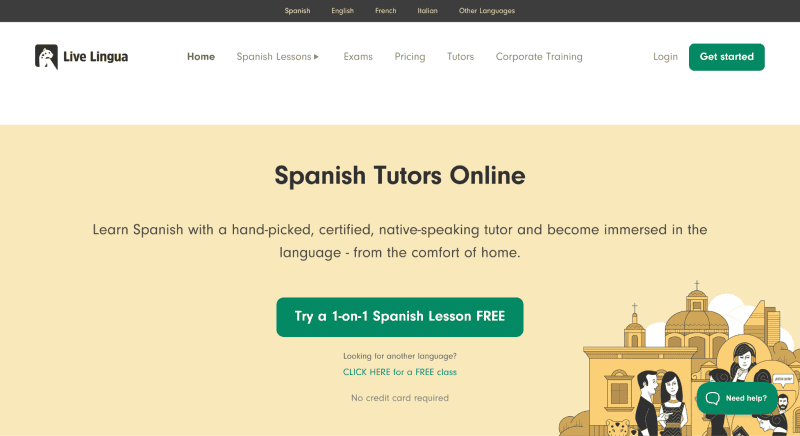
Live Lingua offers live, personalized language classes through certified native-speaking tutors across 11 languages, with test preparation and professional courses included. Founded in 2008, the platform pairs real-time instruction with a large library of self-paced online materials. What makes it stand out is the free public domain resource library, reportedly the largest of its kind online, covering materials across 130+ languages. Pricing runs from $27 to $38 per hour depending on the language, which sits at a reasonable mid-range for live tutoring (not the cheapest option, but well below premium language school rates).
Why Does Live Lingua Earn Its Spot for Platforms for Learning Chinese?
Live Lingua was recognized by Entrepreneur360 as a “Classic” in 2015, the only education company in that category, which points to a customer-first approach that has stayed consistent over time. Pairing certified tutor-led instruction with a free supplementary materials library gives learners both the live feedback they need for tone correction and the self-study resources to reinforce lessons between sessions.
What Customers Highlight:
The certified native-speaker model gets attention in reviews, with learners citing confidence in teacher quality as a reason they chose Live Lingua over open marketplace alternatives. The mix of structured live lessons and free supporting materials comes up regularly as a practical advantage for learners on a budget. The charitable-mission angle and the Entrepreneur360 recognition add a layer of trust that’s harder for newer platforms to match.
The Methodology Behind Each Pick’s Place
What to Collect Before You Start
The starting point was building a broad list of platforms operating in the Mandarin Chinese language learning space. Sources included language learning directories, app review platforms, edtech-specific forums, and platforms’ own published documentation. The goal at this stage was volume. Getting a full picture of who operates in this space, from live tutoring marketplaces to gamified vocab apps to content-based immersion tools, meant pulling from multiple channel types rather than relying on any single directory.
Eligibility Review: Evaluating the Top Prospects
With the longlist in place, each option was reviewed for verification and reliability. Platforms without enough public-facing review data or with review patterns that looked inconsistent were removed early. The screening focused on platforms with a clear track record, meaning real learner feedback across multiple sources, not just on-site testimonials. Options that couldn’t show sustained user activity or platform maintenance over time were also set aside.
Claims Evaluated for Credibility and Substantiation
Every platform makes claims. The research process involved checking those claims against what learners actually reported. If a platform described itself as the most effective for fluency but reviews consistently pointed to technical issues or shallow content depth, that gap was noted and weighed. Cross-referencing official site descriptions against third-party review summaries was a consistent step throughout this phase.
Reputation, Awards, and Original Work
Signals of external recognition were factored into the final evaluation. Award nominations, mentions in language learning publications, founder authority in the field, and original research contributions all added weight. LingQ’s ranking as the most effective language app from an independent research team was one example. Ba Ba Dum’s accumulation of design and educational awards from internationally recognized bodies was another. These signals weren’t treated as pass/fail criteria, but they did differentiate platforms that had been validated externally from those relying purely on self-promotion.
Platforms For Learning Chinese Service Page and Reviews Check
Each platform’s dedicated pages, covering features, pricing, tutor or content specifics, and learning methodology, were reviewed directly. Review content from established community platforms was also checked to identify what learners actually say after using the product, not just what attracted them initially. Platforms with verified review patterns that matched their published descriptions earned more confidence in the final ranking. Case studies and learner outcome examples, where available, were used to ground the evaluation in real-world results rather than feature lists.
The Right Platforms For Learning Chinese for the Right Job
Not every platform here fits every learner. Matching the right tool to where you are in your Mandarin journey matters more than chasing the most popular option.
- Industry/Domain Experience: Look for platforms with a clear focus on Mandarin Chinese, not just general language coverage. Experience in tonal language instruction and character-based writing sets some platforms apart from others.
- Features and Services: Consider what you actually need. Live human feedback for tone correction, content import for advanced learners, gamified vocabulary for beginners, and access to certified tutors each serve a different stage of learning.
- Pricing Structure: Options range from completely free (Ba Ba Dum) to pay-per-lesson models (italki) to hourly tutor rates (Live Lingua at $27 to $38 per hour). Match the pricing model to how consistently you plan to study.
- Results Measurement: Platforms that connect learning activity to measurable outcomes, like HSK level progress, character recognition scores, or tone accuracy assessments, give you a clearer picture of whether you’re actually making progress.
- Industry Knowledge and Compliance: For learners targeting CEFR milestones or HSK certification, check that the platform’s curriculum and tutor base are familiar with those frameworks and can structure lessons around them.
Wrap-Up
Choosing the right Mandarin learning platform comes down to where you are and what you actually need next. Live tutoring platforms like italki and Live Lingua shine for speaking practice and tone correction. LingQ suits learners ready to push into advanced fluency through real content. Ba Ba Dum fills the vocabulary-building gap for free. As more learners aim for measurable HSK outcomes, platforms that combine human interaction with structured progress tracking are likely to pull ahead.