
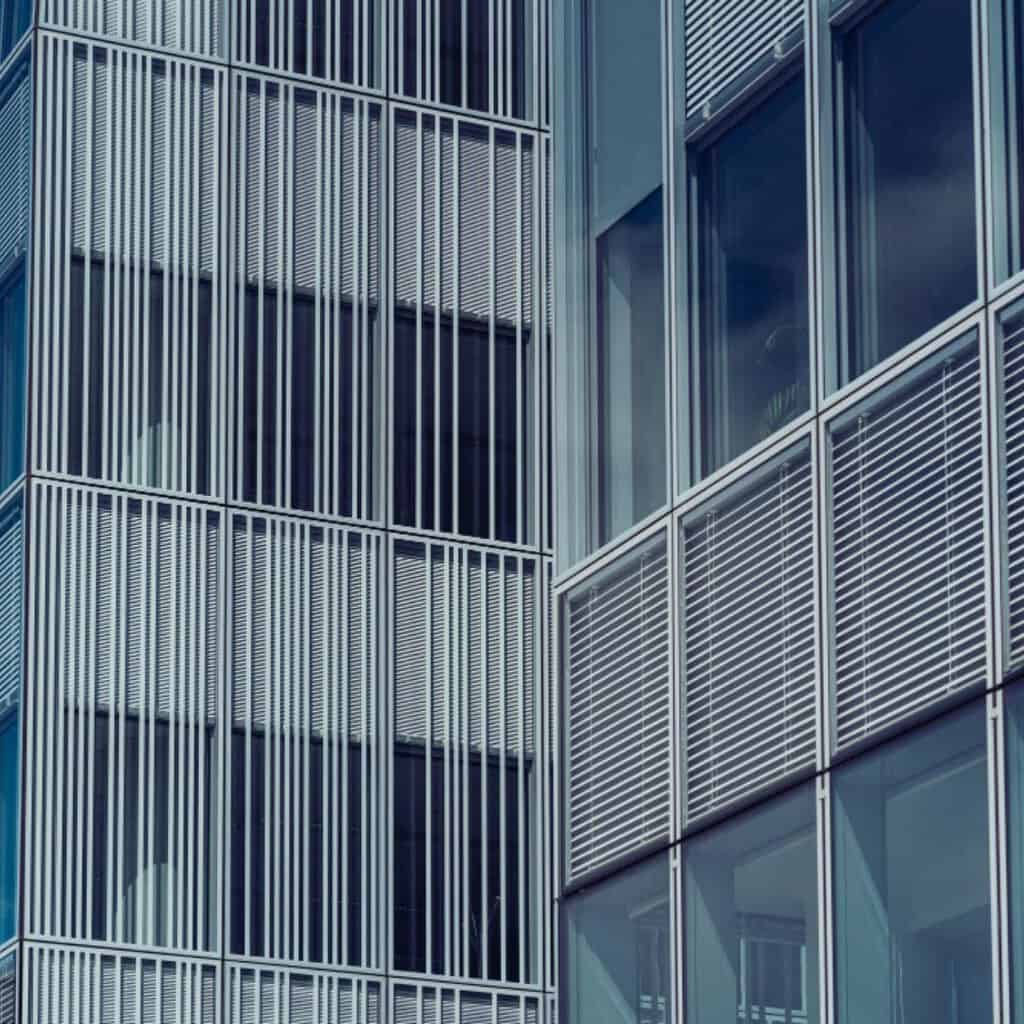
Metal buildings are widely used across the commercial and industrial sectors, from warehouses and manufacturing facilities to retail spaces, workshops and offices. Steel structures can offer businesses a practical combination of durability, design flexibility and relatively low maintenance, particularly when the building is designed for its intended use and local conditions.
Commercial metal buildings can also accommodate large, open interior spaces, making them particularly useful for businesses that need room for machinery, storage, vehicles or adaptable working areas. With appropriate insulation, ventilation and energy-efficient features, they can be designed to provide comfortable and efficient spaces for a wide range of commercial applications.
Below, we look at some of the key benefits of metal buildings and the different ways they can be used by businesses.
Why Are Metal Buildings Used for Commercial Applications?
| High load-bearing capacity | Resistant to termite damage | Relatively low maintenance |
|---|---|---|
| Resistant to many common pests | Can help regulate temperature* | Long-lasting structural performance |
| Recyclable and reusable material | Designed for different weather conditions | Non-combustible material* |
| Can support energy-efficient design | Non-porous, inorganic material | Flexible design options |
*Performance depends on factors such as insulation, building design, materials used and compliance with relevant building regulations.
Note: Commercial steel buildings can be engineered to meet specific structural requirements, including local wind and snow loads. The level of weather resistance will depend on the building’s design, materials, location and applicable building standards, so specifications should always be discussed with a qualified supplier or structural engineer.
Applications Of Metal Buildings In the Commercial Sector

Metal buildings are used across a wide range of commercial and industrial settings, particularly where businesses need durable structures with large, adaptable interior spaces. Depending on the design and materials chosen, steel buildings can also require relatively little ongoing maintenance compared with some traditional construction methods, helping businesses manage long-term operating costs.
Energy efficiency is another important consideration. Appropriate insulation, efficient heating and cooling systems, natural lighting and well-designed doors and windows can all help reduce the amount of energy a commercial building uses. Businesses may also choose to install solar panels to reduce their reliance on electricity from the grid.
From warehouses and manufacturing facilities to shops, offices and vehicle workshops, the flexibility of steel construction makes it suitable for many different commercial applications. Here are some of the most common examples.
1. Warehouse
Warehouses often require large amounts of open floor space for storage, shelving, machinery and the movement of vehicles such as forklifts. Steel construction is particularly well suited to this type of commercial building because it can be engineered to create wide, clear-span interiors with fewer internal columns, depending on the size and structural requirements of the building.
This flexibility gives warehouse operators more freedom when planning storage layouts, loading areas and internal traffic routes. Steel buildings can also accommodate features such as large roller doors, loading bays, personnel entrances and windows, although the appropriate structural support will depend on the individual building design.
Maintenance is another important consideration for large commercial premises. Durable materials can help protect areas that experience regular contact with equipment and heavy foot traffic. To complement this heavy-duty architecture, warehouse managers can also choose to reinforce high-impact zones such as loading docks and kick plates with durable checker plate material to provide an extra layer of protection against heavy machinery and foot traffic.
The ability to configure the interior around a business’s storage and operational requirements is one of the reasons metal buildings are commonly considered for warehouse applications.
2. Manufacturing Unit
Manufacturing facilities often need large, adaptable spaces where production lines, machinery, packaging equipment and storage areas can be arranged around the needs of the business. The open layouts that can be achieved with steel construction make metal buildings particularly useful for this type of operation.
Different areas can be created within the same building for production, monitoring, packaging and storage, helping businesses move materials and finished goods efficiently through the facility. Steel structures can also be adapted as requirements change, although alterations should always take the building’s structural design into account.
Corrosion protection is an important consideration in industrial environments. Steel can be protected using methods such as galvanizing, protective coatings and appropriate maintenance, while weathering steel is designed to form a protective surface layer under suitable environmental conditions. Choosing the appropriate steel and corrosion protection will depend on factors such as moisture, chemicals, temperature and the intended use of the building. For example, Spartanburg Steel Products specializes in large-volume metal stampings and assemblies for manufacturing units, supplying durable structural components that support modern production lines with minimal maintenance.
Many industrial facilities also require specialized coatings on their smaller metal components to ensure conductivity and wear resistance. For these applications, standard galvanizing is not enough. Manufacturers often turn to precision electroplating services to protect sensitive parts. Utilizing Nadcap Gold Plating is a common solution for aerospace and electronics components that need high reliability. This process provides a layer of protection that prevents oxidation in extreme environments. It is a vital step in maintaining the long-term performance of critical machinery.
3. Retail Store | Factory Outlet
Metal buildings can also provide flexible premises for retail stores, trade counters and factory outlets. Businesses that sell directly to customers may need a combination of attractive retail space at the front and practical storage or stock-handling areas behind the scenes.
The adaptable interior of a steel building can make it easier to divide the available space according to these different needs. A business might create a customer-facing showroom or shop floor alongside stockrooms, staff areas and order-processing facilities.
Where the building design allows, a mezzanine floor can provide additional storage or workspace without increasing the building’s footprint. This can be particularly useful for businesses that need to keep additional stock on site while preserving as much ground-floor space as possible for customers and day-to-day operations.
The exterior of a commercial metal building can also be customised with features such as cladding, glazing, signage and entrance areas, allowing businesses to create premises that are practical without necessarily having an industrial appearance.
4. Automobile Shop
Steel commercial buildings can be used for a variety of automotive businesses, including garages, workshops, car washes, vehicle storage facilities and showrooms. Their adaptable layouts can provide the open floor space needed for moving vehicles safely around the premises while allowing separate areas to be created for repairs, equipment, parts storage, offices and customer facilities.
For workshops and repair centres, the building can be designed around practical requirements such as vehicle access doors, service bays, lifts, ventilation and appropriate lighting. Showrooms, meanwhile, may incorporate larger areas of glazing, customer entrances and more decorative exterior finishes to create a welcoming retail environment.
The exact specification will depend on how the premises are being used. Businesses should consider factors such as drainage, ventilation, fire safety, vehicle access and local building regulations at the design stage, particularly where activities such as vehicle repair, washing or paintwork will take place.
5. Restaurant
Metal buildings can also be adapted for restaurants, cafés and other food-service businesses. A successful restaurant needs much more than an attractive dining area; the building must also accommodate food preparation, storage, staff facilities, deliveries, waste management and the safe movement of customers and employees.
One advantage of a steel structure is the flexibility it can offer when planning these different areas. Open interior spaces can be divided to create a commercial kitchen, dining area, toilets, storage rooms and customer-facing spaces according to the needs of the business. The exterior can also be customised with cladding, glazing, signage and entrance features to create a welcoming appearance.
Insulation, ventilation and temperature control are particularly important in food-service environments. Commercial kitchens may require specialist extraction and fire-safety systems, while the overall building will need to comply with the relevant food hygiene, accessibility, fire safety and building regulations for its location.
Tip: Where space and planning requirements allow, a lean-to or covered outdoor area could provide additional seating for customers. This can be particularly useful for cafés and restaurants looking to make better use of their exterior space without constructing a completely separate building.
6. Churches and Places of Worship
Metal buildings can also be used to create churches and other places of worship, particularly where organisations need a large, flexible space capable of accommodating a congregation and a variety of community activities.
Clear-span steel construction can provide an open interior that can be configured for seating, worship areas and gatherings without numerous internal columns restricting the layout. Depending on the size and purpose of the building, additional areas can also be incorporated for offices, meeting rooms, children’s activities, kitchens and community events.
Modern metal buildings do not necessarily need to have an industrial appearance. Exterior cladding, windows, entrance features and interior finishes can all be used to create a more welcoming environment, while appropriate insulation, heating, ventilation and acoustic treatments can help make the interior comfortable for regular use.
As with any public building, the design will need to take account of relevant local requirements, including accessibility, fire safety, occupancy and building regulations.
7. Office Space

7. Office Space
Metal buildings aren’t limited to warehouses and industrial facilities. With appropriate insulation, interior finishes, glazing, heating, ventilation and lighting, they can also be designed to provide modern and comfortable office environments.
One of the advantages of steel construction is its flexibility. Open-plan offices can be combined with meeting rooms, private offices, kitchens, reception areas and breakout spaces according to the needs of the business. Interior layouts can also be planned with future growth in mind, giving businesses greater flexibility if their requirements change.
Energy efficiency and employee comfort will depend largely on the overall design of the building rather than the structural material alone. Good insulation, natural light, effective ventilation and efficient heating and cooling systems can all contribute to a more comfortable working environment and potentially reduce ongoing energy consumption.
Where the site and relevant planning requirements allow, additional structures such as a lean-to or canopy can also provide covered parking, bicycle storage or sheltered outdoor areas where employees can take breaks.
8. Other Commercial and Public Uses for Metal Buildings
The versatility of metal construction means these buildings can be considered for many other commercial, public and agricultural applications. Depending on local regulations and the requirements of the project, steel structures may be used for community facilities, public buildings, schools, sports facilities and other spaces that need adaptable interiors.
For organisations working within tight budgets, factors such as construction time, ongoing maintenance and energy efficiency can all affect the long-term cost of a building. Choosing a practical design and materials that require relatively little maintenance may help with saving money on extensive labor costs over the lifetime of the property.
Agricultural businesses also make extensive use of metal buildings. Depending on their design, steel structures can provide barns, machinery storage, workshops, garages, livestock shelters and other facilities needed for day-to-day agricultural operations. Large interior spaces can be particularly useful for accommodating farm machinery or adapting a building as the needs of the business change.
Whatever the intended use, the building should be designed specifically for its location and purpose. Factors such as ventilation, insulation, drainage, fire safety, structural loads and local planning or building requirements should all be considered before construction begins.
Is a Metal Building Right for Your Business?

Metal buildings can provide a practical solution for a wide range of commercial applications, from warehouses and manufacturing facilities to retail spaces, automotive workshops, offices and agricultural buildings. Their suitability will ultimately depend on the needs of the business, the site and the way the building will be used.
Before choosing a commercial metal building, consider the total project rather than simply comparing the initial price of the structure. Insulation, foundations, doors and windows, ventilation, heating and cooling, interior finishes, drainage and ongoing maintenance can all influence the final cost and performance of the building.
It is also important to consider local planning requirements and building regulations, as well as any industry-specific requirements that apply to your business. Working with experienced suppliers, designers and appropriately qualified professionals can help ensure that the finished building is suitable for its intended purpose.
When properly specified and maintained, a steel building can provide businesses with a durable and adaptable space that can continue to meet their needs for many years.
Frequently Asked Questions About Commercial Metal Buildings
Are metal commercial buildings cheaper than traditional buildings?
Metal buildings can sometimes offer cost savings, particularly where a relatively simple design or large open interior is required. However, the overall cost will depend on the size and specification of the building, foundations, insulation, interior finishes, labour and site preparation. Comparing the total project cost rather than the price of the basic structure provides a more realistic picture.
How long can a commercial metal building last?
A well-designed and properly maintained steel building can remain in use for many decades. Its lifespan will depend on factors including the quality of the materials, environmental conditions, corrosion protection, maintenance and how the building is used.
Do commercial metal buildings need insulation?
Most metal buildings intended for regular occupation will benefit from appropriate insulation. Insulation can help control indoor temperatures, improve energy efficiency and reduce problems associated with condensation. The type and amount required will depend on the building’s use, location and applicable building regulations.
Can metal buildings be customised for different businesses?
Yes. One of the advantages of steel construction is its flexibility. Depending on the structural design, commercial metal buildings can incorporate features such as offices, mezzanine floors, loading bays, workshops, retail areas, large vehicle doors, windows and customer-facing entrances. Exterior cladding and other finishes can also be used to create an appearance that suits the business.