
Many homeowners assume that a premium-looking bathroom requires a substantial renovation budget. The assumption is understandable. Expensive materials, bespoke joinery and high-end sanitaryware are all associated with luxury. But experienced designers know that the most impactful decisions are often far smaller than people expect.
Texture is one of those decisions. The way a surface catches light, creates shadow and draws the eye can shift the entire character of a room. Among the design details that achieve this most effectively, fluted bathroom furniture stands out as one of the most reliable tools available. It creates a premium appearance that consistently exceeds its actual cost.
What Makes a Bathroom Look Expensive?
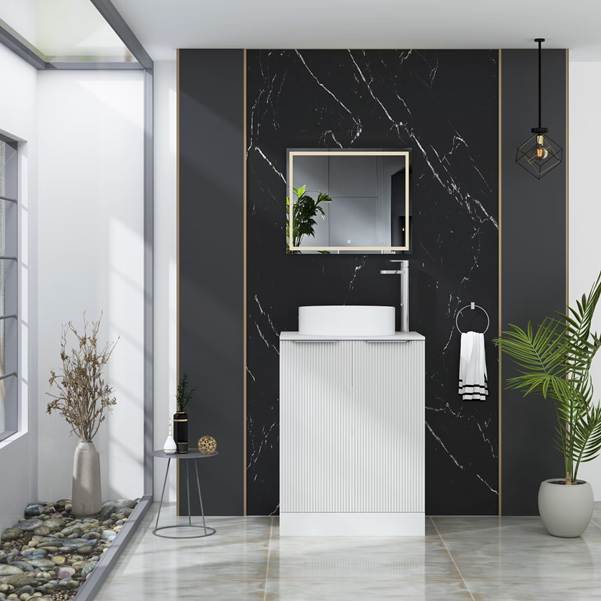
Luxury interiors rarely depend on a single element. The impression of quality comes from several visual signals working together. Visual balance, considered proportions, consistent finishes and the careful use of texture all contribute. So does light.
When people enter a well-designed hotel bathroom and immediately sense quality, they are responding to all of these things simultaneously. Boutique properties and high-end bathroom showrooms understand this. They use surface detail and considered layout to create environments that feel premium without necessarily using the most expensive materials available.
Flat, featureless surfaces offer the eye very little to engage with. Textured surfaces create layers of visual information that read as craftsmanship and intention. This is a fundamental principle in premium bathroom design, and it is exactly why fluted furniture works so effectively.
Why Texture Creates a Premium Feel
Textured surfaces reward attention in a way that flat finishes cannot. At a distance, they add depth to a room. Up close, they reveal detail and variation. This layering is what separates spaces that feel considered from those that simply function.
Tactile appeal plays a role even when a surface is not being touched. The suggestion of texture influences how the brain judges quality. A surface that appears crafted rather than simply produced will consistently register as more valuable. Fluted detailing achieves this with remarkable efficiency. The repeating grooves create a surface that looks intentional and skilled without appearing decorative or excessive.
The Psychology Behind Fluted Bathroom Furniture
Fluting has appeared in architecture and furniture design for centuries. Its enduring appeal is rooted in the way repeating vertical lines interact with the human eye. The rhythm created by fluted grooves gives surfaces a structured, deliberate quality. Each line suggests precision. The pattern implies careful manufacture.
Shadow is equally important. The grooves in fluted furniture are designed to catch light and create subtle shadow lines across the surface. These shadows shift throughout the day as natural light changes. The result is a surface that feels dynamic and alive rather than flat and static.
Designers also value fluted detailing because it creates visual interest without relying on colour. In a bathroom where the palette is restrained, fluted furniture adds character and depth while keeping the overall scheme calm and cohesive.
How Light and Shadow Make Fluted Furniture Look More Luxurious
The relationship between fluted furniture and light is largely responsible for its premium appearance. When light falls across a flat-front cabinet, it reflects uniformly. There is little variation and no visual movement. When the same light falls across a fluted surface, the grooves interrupt the reflection. They create alternating bands of highlight and shadow that give the furniture genuine three-dimensional presence.
In bathrooms with natural light, this effect shifts gradually throughout the day. The furniture appears to change subtly with the hours, a quality strongly associated with architectural detailing and high-end design. Well-positioned artificial lighting amplifies this further. Over-mirror lighting or wall-mounted sconces emphasise the shadow lines and add depth. In darker finishes, the contrast becomes more pronounced and the overall effect more striking.
Why Fluted Vanity Units Often Become the Focal Point
The vanity unit is almost always the most visually prominent piece of furniture in a bathroom. It occupies the most used area of the room and is the first thing visitors notice. Choosing a fluted vanity unit for this position gives it a natural authority within the space.
Both wall hung vanity units and floor standing vanity units are available in fluted designs. Wall hung options work particularly well in smaller rooms, where visual lightness matters. Floor standing designs with fluted fronts carry more weight and suit larger or more traditional-inspired spaces. For homeowners exploring options, a dedicated range of fluted bathroom furniture offers a useful starting point for understanding what is available across different sizes and configurations.
How Fluted Designs Work Across Different Bathroom Styles
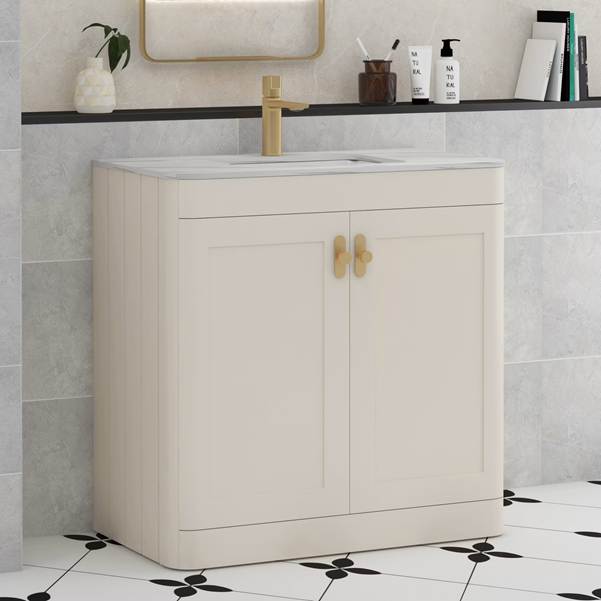
One of the most practical strengths of fluted furniture is its versatility. In modern bathroom furniture, it adds warmth to schemes that might otherwise feel too minimal. In contemporary spaces, it provides textural contrast that prevents a room from feeling sterile. In transitional bathrooms, where classic and modern elements are blended, fluted furniture acts as a natural bridge.
Boutique hotel-inspired schemes and luxury family bathrooms both benefit from the same quality. The detailing reads as deliberate and designed. It signals that care has been taken over the interior.
Texture also has a longer design life than colour. Colour trends shift regularly. Texture, used well, tends to remain relevant across multiple cycles. This makes fluted bathroom furniture a more durable design investment than many trend-led alternatives.
The Role of Colour in Enhancing Fluted Furniture
Colour and texture work together to shape how furniture is perceived. In fluted furniture, the grooves behave differently depending on the finish applied. Darker colours such as black, deep grey, navy blue or forest green emphasise the shadow lines dramatically. The contrast between raised ridges and recessed grooves becomes more pronounced and architectural.
Lighter finishes including white, soft grey and natural oak produce a subtler result. The shadow lines are still present but read as refinement rather than drama. Mid-tone options such as walnut, grey elm and gloss grey offer a balance between the two. They allow the fluted texture to do its work without dominating the room.
How Fluted Furniture Works in Small Bathrooms
Space is a genuine constraint in most UK homes. Many bathrooms are compact, and homeowners often worry that adding visual texture will make a small room feel busier or more cluttered. In practice, the opposite is frequently true.
Texture adds visual interest without adding physical mass. A cloakroom vanity unit with fluted detailing gives a small space a design identity without requiring additional furniture or accessories. Wall hung furniture is particularly valuable here. It creates visual space beneath the unit, making the floor area appear larger. Combined with fluted detailing, a wall hung vanity unit gives a compact bathroom both spatial clarity and genuine design character.
Why Storage Coherence Matters in Luxury Bathroom Design
Luxury bathroom design is not achieved through statement pieces alone. The overall impression of a premium space depends on how resolved and cohesive the room feels. When tall storage units, combination units and WC units carry a consistent design language, the room reads as intentionally designed rather than assembled piece by piece.
Organised, considered storage also removes visual clutter. This is one of the simplest ways to make any interior feel more expensive. When the furniture works together and the surfaces are clear, the space communicates quality without requiring elaborate decoration.
Why Fluted Bathroom Furniture Looks More Expensive Than It Actually Is
The premium appearance of fluted furniture comes from a combination of factors, none of which depend on cost alone. Texture creates the impression of craftsmanship. The repeating vertical lines introduce rhythm and structure that read as deliberate and skilled. The grooves interact with light throughout the day, producing shadow lines that give the surface genuine depth and movement.
Fluted furniture also carries historical design credibility. Fluting references a long tradition of considered surface decoration in architecture and furniture making. Even in a contemporary bathroom context, this gives the detail an authority that flat-front furniture does not automatically possess.
The result is furniture that creates a focal point with real presence. It anchors the room visually. It signals that the interior has been designed rather than simply furnished. These qualities combine to produce an appearance of luxury that consistently exceeds the actual cost of the pieces involved.
Final Thoughts
Luxury bathroom design has never been exclusively about budget. The most effective premium interiors are built on an understanding of how texture, proportion, light and visual depth work together to create an atmosphere of quality.
Fluted bathroom furniture demonstrates this principle clearly. A well-chosen fluted vanity unit, positioned thoughtfully within a considered layout, can transform the character of a bathroom without requiring costly materials or a complex renovation. For homeowners planning an upgrade, the lesson is simple: the appearance of luxury is often created through better design decisions rather than higher spending.