
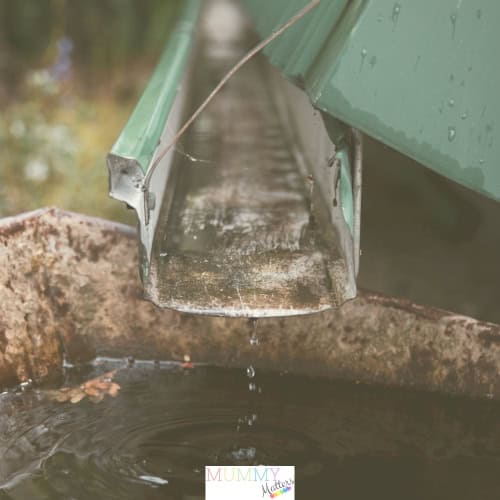
When most families in Northwest Arkansas think about home maintenance, they picture cleaning, organizing, or fixing things indoors. But one of the home’s most important systems — the gutters — often gets ignored until something goes wrong.
Gutters aren’t exactly exciting, and because they’re high up and out of sight, it’s easy to forget about them. Yet, these simple channels play a massive role in protecting your home from water damage, foundation issues, roof problems, mold, and even pest infestations. When gutters stop doing their job, the impact can spread quickly and silently.
The good news? Almost all gutter problems are preventable with the right habits and timely action. Here are the most common gutter issues families overlook — and how you can avoid them before they cause bigger, more expensive trouble.
1. Clogged Gutters That Trap Leaves, Debris, and Water

The number one gutter issue homeowners deal with is clogged gutters. Leaves, twigs, seeds, pine needles, roof granules, and even small toys often find their way inside. Over time, this buildup blocks the flow of rainwater, causing the gutters to overflow.
Why this is a problem:
- Overflowing gutters dump water near the foundation.
- Moisture can seep into basements or crawl spaces.
- Standing water becomes a breeding ground for insects.
- Extra weight strains the gutter system, causing sagging.
Prevention tips:
- Clean gutters at least twice a year.
- If your home has many trees, check them every 2–3 months.
- Install gutter guards to reduce debris buildup.
- Trim branches hanging directly above your roof.
2. Leaks, Cracks, and Gaps That Go Unnoticed
Gutters are constantly exposed to the elements. Heat, rain, snow, and freezing temperatures can cause metal or vinyl gutters to expand and contract, eventually weakening the system. Small cracks or holes might not seem important at first, but even a tiny gap can cause water to leak directly onto your home.
Signs your gutters may have leaks or cracks:
- Water is dripping even when the gutter is clean.
- Soil erosion below the gutter line.
- Rust spots or peeling paint.
- Dark streaks on the siding.
Fixing leaks early is essential — but many homeowners don’t notice them until they cause visible damage. This is why families often turn to trusted local experts. When the problem extends beyond basic DIY, many rely on the best gutter repair services in Northwest Arkansas, such as those offered by Pinnacle Roofing, to repair cracks, reseal joints, and restore proper drainage. All in all, professional repair ensures the entire system works the way it should, giving families peace of mind during heavy rainfall.
3. Sagging Gutters That Pull Away From the House
Over time, gutters can begin to sag or pull away from the fascia board — especially when they are holding too much weight from debris or water. A sagging gutter can’t channel water properly, which means it might spill over the sides or fall completely during a heavy storm.
Common causes include:
- Clogged gutters are weighing down the system.
- Loose or rusted fasteners.
- Wood rot behind the fascia board.
- Incorrect gutter pitch.
How to prevent sagging:
- Inspect gutters regularly for weak spots.
- Replace loose or missing hangers.
- Ensure gutters have the correct slope toward the downspout.
- Remove debris before it builds up.
Sagging gutters may start small, but if ignored, they can cause roof leaks, siding damage, and pricey repairs — all of which are avoidable with routine checks.
4. Downspout Problems That Lead to Water Pooling and Landscape Damage
Even if your gutters are clean, problems can still occur if the downspouts aren’t working properly. Downspouts need to move water far away from your home. If they’re blocked, bent, or too short, water will pool around the foundation — one of the biggest risks for long-term home damage.
Common downspout mistakes families overlook:
- Water is draining too close to the home.
- Downspouts clogged with leaves or dirt.
- Splash blocks are missing or misaligned.
- Downspouts that are bent or dented.
- Underground drains are blocked with mud or roots.
Prevention tips:
- Extend downspouts at least 3–4 feet from the house.
- Check that splash blocks sit correctly beneath the outlet.
- Clear dirt or leaves from openings after storms.
- Inspect underground drainage annually.
A well-working downspout system keeps your foundation dry, protects your landscaping, and prevents uneven soil settling.
Conclusion
Gutters are easy to overlook, but they shouldn’t be an afterthought in your home maintenance routine. Small issues — a clog here, a loose hanger there, or a tiny crack — can quickly grow into expensive problems that affect your roof, siding, walls, foundation, and outdoor spaces. By cleaning regularly, inspecting for early signs of wear, making sure downspouts flow correctly, and getting professional help when needed, families can protect their homes from avoidable accidents and long-term water damage.