
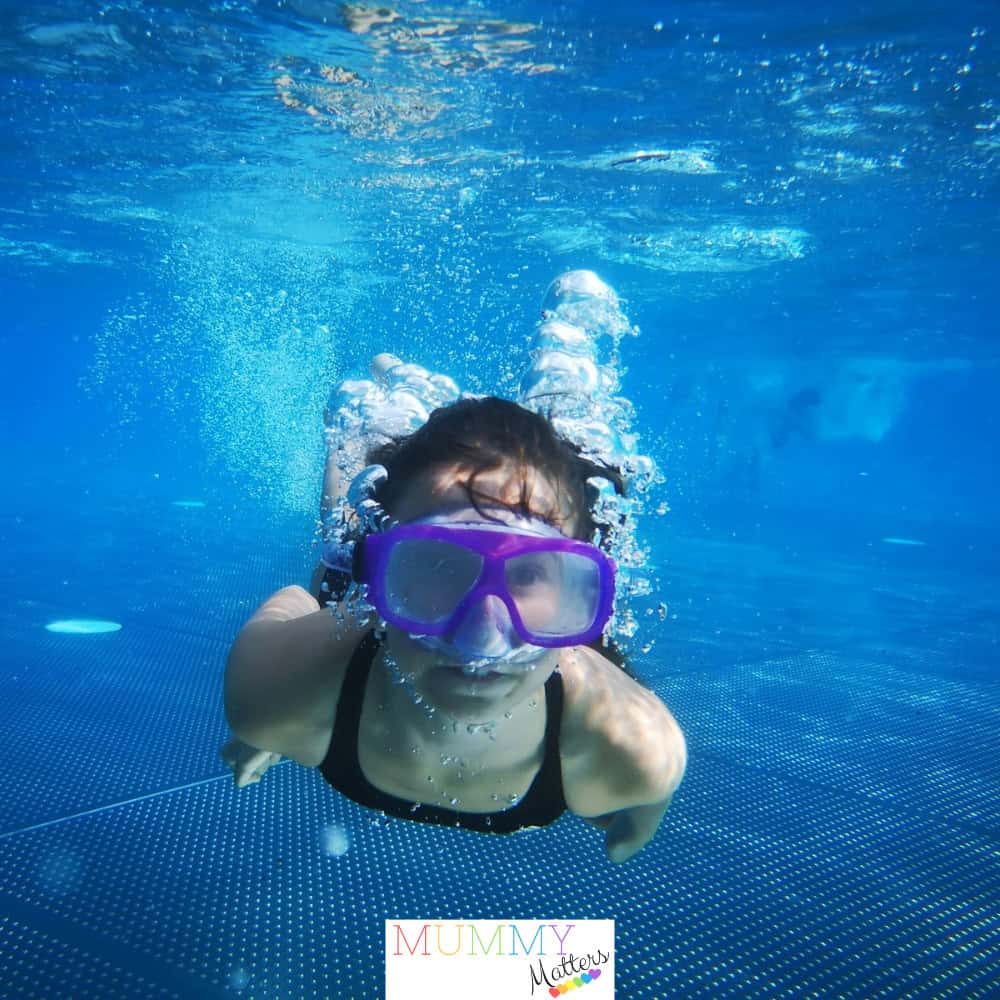
Water anxiety can make trips to the pool stressful for children and parents alike. A gentle, predictable approach helps children feel secure whilst they become familiar with the sights, sounds and sensations around water. Progress may take several visits, especially after a frightening experience, so keep expectations realistic and follow your child’s pace. Water safety guidance for families also recommends close, attentive adult supervision whenever children are in or near water.
Recognising Common Childhood Pool Fears
Start by identifying the exact part of the experience that worries your child. Some dislike water on their face, whilst others fear losing contact with the floor. Echoing changing rooms, busy pool sessions and an unfamiliar instructor can also feel overwhelming.
Ask simple questions at a calm time: “Was the water too cold?” or “Did you feel worried when you couldn’t touch the bottom?” Younger children may express fear through clinginess, tears or stomach aches instead of words. Avoid labelling this behaviour as difficult. The advice on children’s fears and when to act can help you judge when reassurance is enough and when extra support may be useful.
Creating Calm Encounters with Water
Make the first encounters brief and easy to predict. Visit the pool for ten minutes without expecting your child to swim. You might sit at the edge, watch another class or paddle together on a shallow step. Explain beforehand where you’ll change, what the pool will sound like and when you’ll leave.
Practise at home too. Let your child pour water over a toy, blow bubbles in the bath or use a damp flannel on their cheeks. Stop while the activity still feels manageable. If they need individual support, private swimming lessons can offer a customised programme and flexible scheduling. One-to-one attention may also reduce the pressure created by a busy group.
Structured Guidance with Private Tutors
A suitable tutor should listen to both you and your child before entering the water. Share any triggers, previous experiences and words your family uses for basic movements. A clear first goal might be sitting on the pool edge comfortably, putting feet in the water or holding the tutor’s hand whilst walking through the shallow end.
Look for steady instructions and permission to pause. Guidance on choosing swimming instruction can help you check teaching standards and safeguarding expectations. Stay consistent between sessions by repeating one familiar activity at home. Frequent changes in technique, language or expectations can confuse a nervous child and slow the development of trust.
Celebrating Every Small Milestone
Notice effort as well as visible skill. Walking into the pool area without crying, wearing goggles for two minutes or splashing hands in the water can all represent meaningful progress. Describe the achievement clearly: “You put both feet on the step today” gives your child stronger feedback than general praise.
Keep a simple progress chart, but avoid rewards that create pressure to complete a task before your child feels ready. Stickers, a dated note or a photo outside the leisure centre can record positive memories without turning confidence into a competition. Setbacks after illness, a noisy session or a break are normal. Return to the last comfortable step and rebuild from there.
Your child may eventually remember the day they floated independently, but confidence begins much earlier. The first relaxed visit, the first splash and the first willingness to return all deserve recognition.