
Between work, school schedules, household responsibilities, and family activities, personal care can easily take a back seat. For families juggling multiple responsibilities, finding time for a consistent haircare routine can feel like another task on an already busy to-do list. However, looking after your hair does not have to involve expensive products or complicated steps. A few practical habits and suitable products can make everyday haircare easier to manage.
The key is to build a routine that works with your family’s schedule rather than adding more pressure to it. Whether you are a parent managing your own haircare or helping children develop good grooming habits, keeping things simple can make a noticeable difference.
1. Understand Your Hair Type and Everyday Needs
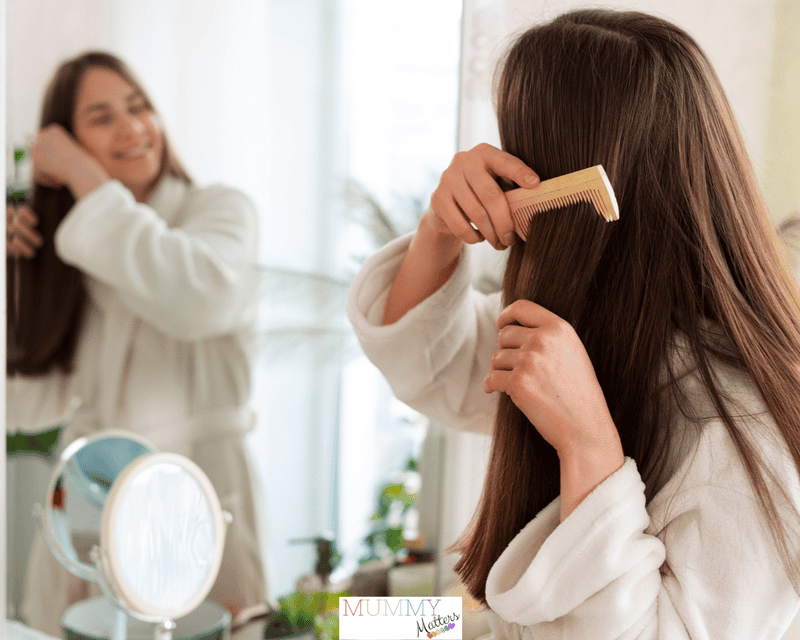
Before choosing haircare products, take some time to understand your hair type. Straight, wavy, curly, and coily hair can have different cleansing, conditioning, and styling needs. Scalp condition, hair thickness, and exposure to heat or styling products also influence which routine may work best.
Consider these basic factors:
- Oily scalp: You may need to wash more frequently to manage excess oil.
- Dry hair: Look for conditioning products that help improve softness and manageability.
- Curly or textured hair: Moisture and gentle detangling may be particularly important.
- Fine hair: Lightweight products may help avoid unnecessary buildup.
Understanding these differences makes it easier to choose products that suit individual needs instead of following a routine simply because it works for someone else.
2. Keep Your Haircare Routine Simple
A practical routine does not need numerous products or lengthy treatments. Most families can start with a few consistent steps: cleansing, conditioning, gentle detangling, and sensible styling.
For example, a basic routine could include:
- Washing the scalp with a suitable shampoo when needed.
- Applying conditioner according to hair type and texture.
- Detangling gently with an appropriate comb or brush.
- Limiting excessive heat styling.
- Keeping hair protected during activities such as swimming or outdoor play.
The frequency of washing will vary from person to person. Hair that becomes oily quickly may need more frequent washing, while dry, curly, or textured hair may require a different schedule.
The goal is consistency, not perfection. A routine that takes a few manageable steps is easier to maintain than one that demands too much time.
3. Choose Products That Suit Your Hair and Scalp
Choosing the right haircare products starts with understanding your hair type and scalp needs. A product that works well for someone else may not be the best fit for you, so consider factors such as dryness, oiliness, texture, and sensitivity before making a choice.
Look for a natural shampoo and conditioner that supports your specific haircare needs. If your hair tends to feel dry, a nourishing conditioner may help improve softness, while an oily scalp may benefit from a shampoo suited to regular cleansing. Paying attention to how your hair responds to different formulations can help you find products that work well together and keep your routine simple.
4. Make Haircare Easier for Children
Helping children develop simple grooming habits can make family routines more manageable. It also gives them an opportunity to learn basic personal-care skills as they grow.
Parents can make hair washing easier by explaining each step and allowing children to participate when they are ready. Younger children may need assistance with applying shampoo, rinsing thoroughly, and detangling their hair.
A few useful habits include:
- Use a shampoo suitable for the child’s age and hair needs.
- Teach children to massage shampoo gently into the scalp.
- Rinse thoroughly to remove product residue.
- Use conditioner when appropriate, particularly for dry or curly hair.
- Detangle gently rather than pulling through knots.
- Avoid tight hairstyles that place unnecessary tension on the hair.
Making these steps part of an existing bath or bedtime routine can help children become more comfortable with personal care without turning it into a daily struggle.
5. Avoid Common Haircare Mistakes
Even a simple routine can become less effective when certain habits cause unnecessary damage or irritation. Being gentle and paying attention to how your hair responds to products can help prevent common problems.
Some habits worth avoiding include:
- Washing hair more frequently than your scalp needs.
- Applying shampoo mainly to the lengths rather than concentrating on the scalp.
- Rubbing wet hair roughly with a towel.
- Brushing through knots aggressively.
- Using excessive heat without suitable protection.
- Ignoring persistent scalp discomfort or unusual hair changes.
If a product causes irritation, discontinue its use. Persistent itching, rashes, or unexpected hair loss should be discussed with a qualified healthcare professional rather than managed through product changes alone.
The Centers for Disease Control and Prevention’s hair and scalp hygiene guidance also offers practical advice on washing hair regularly, selecting suitable shampoo and conditioner, and avoiding the sharing of personal grooming items.
Conclusion
Building a haircare routine around family life does not require complicated steps or a large collection of products. Understanding individual hair needs, choosing suitable formulations, practicing gentle grooming, and making use of existing daily routines can help keep haircare manageable.
Most importantly, remember that every family member may have different hair requirements. A flexible approach that allows everyone to follow habits suited to their needs is more practical than expecting the same routine to work for the whole household.
Frequently Asked Questions: Simple Hair Care Routine
1. How often should a family wash their hair?
Washing frequency depends on hair type, scalp condition, activity levels, and how quickly the hair becomes oily.
2. What are the essential steps in a basic haircare routine?
A simple routine generally includes suitable shampoo, conditioner, gentle detangling, and careful styling.
3. Are natural haircare products suitable for everyone?
Not necessarily, as natural ingredients can also cause sensitivities, so it is important to check product formulations.
4. How can parents make haircare easier for children?
Establishing simple washing and detangling habits and keeping grooming products organized can make the process easier.
5. How can busy parents maintain healthy hair?
Choosing manageable routines, avoiding excessive heat, and using products suited to individual hair needs can help simplify everyday care.