

As parents, few things are more upsetting than watching your child become distressed at the thought of going to school.
It might start with tummy aches on Sunday evenings, tears at the school gate, or increasingly frequent requests to stay at home. For some families, what looks like simple reluctance can develop into persistent school refusal that affects the whole family.
If you’re parenting a child with autism, ADHD, or anxiety, you’re certainly not alone. Many parents find themselves wondering whether their child is being defiant, overwhelmed, exhausted, or genuinely unable to cope with the demands of the school day.
In this article, we’ll explore the link between school refusal autism, anxiety and ADHD, the signs to look out for, and practical ways to support your child while working alongside their school.
What Is School Refusal?
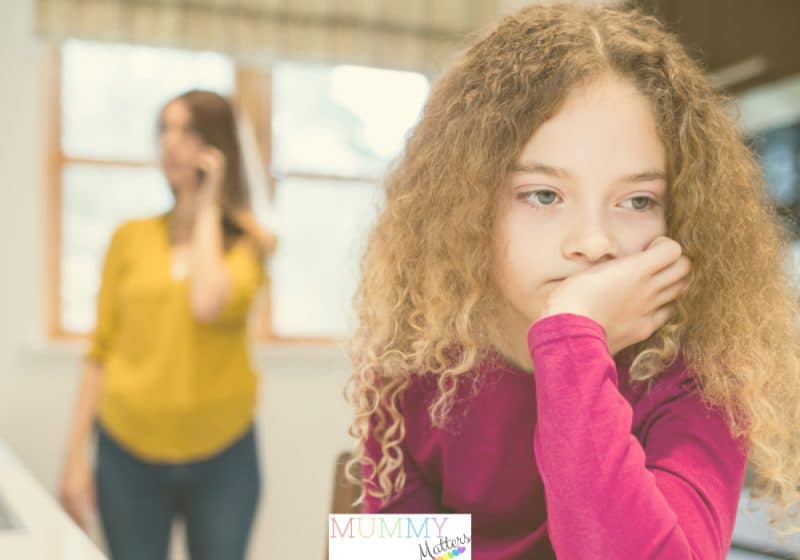
School refusal is more than simply not wanting to go to school.
It describes a situation where a child experiences significant emotional distress about attending school, making it difficult or impossible for them to attend school regularly.
Unlike truancy, children experiencing school refusal often want to succeed and understand the importance of education. However, overwhelming anxiety, sensory challenges, social pressures or emotional exhaustion can make school feel unmanageable.
Many experts now prefer the term emotionally based school avoidance (EBSA) because it recognises that the behaviour is driven by distress rather than choice.
Signs of School Refusal
Common signs of school refusal include:
- Frequent complaints of headaches or stomach aches before school
- Panic attacks or extreme anxiety on school mornings
- Difficulty sleeping before school days
- Refusing to get dressed or leave the house
- Tearfulness or meltdowns around school hours
- Increased irritability after school
- Persistent requests to stay home
- Sudden drops in school attendance
- Extreme distress at the thought of returning after illness or holidays
Why Is School Refusal Common in Children With Autism?
Research shows that children on the autism spectrum are more likely to experience school refusal than their neurotypical peers.
For an autistic child, the school environment can be exhausting.
Many children spend the entire school day trying to navigate:
- Bright lights
- Loud classrooms
- Unpredictable routines
- Social expectations
- Group work
- Transitions between lessons
- Sensory overload
A child with autism may appear to cope during school hours but then completely unravel at home.
This is often known as masking, where an autistic student suppresses their natural responses in order to fit in socially.
Over time, the emotional cost of masking can become overwhelming and lead to school refusal behaviour.
The Link Between Autism, ADHD and School Anxiety
Many families discover that school refusal autism is rarely caused by one issue alone.
A child may be dealing with:
Sensory Overload
The school environment can bombard children with sounds, smells, lights and movement throughout the day.
Social Challenges
Friendship difficulties, bullying or misunderstandings can make school feel unsafe.
Executive Function Difficulties
Many children with ADHD or autism struggle with:
- Organisation
- Time management
- Transitions
- Following multiple instructions
These challenges can make simply getting ready to go to school feel overwhelming.
Demand Avoidance
Some children experience intense anxiety when faced with demands and expectations, even when they want to complete them.
Fear of Failure
Anxiety around academic performance can cause a child to avoid situations where they fear they may struggle.
How School Refusal Can Affect the Whole Family
When a child is refusing school, it affects everyone.
Parents often find themselves:
- Juggling work commitments
- Managing meetings with school staff
- Supporting siblings
- Coping with guilt and worry
- Feeling judged by others
It’s important to remember that school refusal is not caused by poor parenting.
In many cases, the child is experiencing genuine distress and needs support rather than punishment.
What To Do If Your Child Refuses To Go To School

If your child is refusing school, try to focus on understanding the reason before finding solutions.
Listen Without Judgement
Create opportunities for calm conversations.
Rather than asking:
“What happened today?”
Try:
“What was the hardest part of your day?”
You may discover your child may be struggling with something they haven’t previously been able to explain.
Look for Patterns
Keep notes about:
- Specific lessons
- Particular teachers
- Social situations
- Changes in routine
- Sensory triggers
Patterns often emerge over time.
Ask the School for Support
Don’t wait until attendance becomes a major issue.
Early conversations can help.
You may want to ask the school:
- What they have observed
- Whether there are friendship concerns
- If sensory accommodations are available
- Whether a safe space can be offered
- What SEND support is currently in place
Good communication between parents and school staff is often one of the most effective ways to support a child.
Practical Ways To Help Your Child

If your child is struggling, these coping strategies may help.
Reduce Morning Stress
Prepare as much as possible the night before:
- Uniform ready
- Packed lunch prepared
- Visual timetable available
- Bag packed
Reducing decision-making can lower anxiety.
Create Predictability
Children with autism often thrive on routine.
Visual schedules, countdowns and advance notice of changes can help your child feel more secure.
Consider Sensory Needs
Simple adjustments may include:
- Noise-cancelling headphones
- Movement breaks
- Fidget tools
- Alternative uniform options where permitted
Focus on Regulation Before Attendance
If a child is unable to attend because of severe anxiety, forcing attendance may increase distress.
Supporting emotional regulation often needs to come before focusing solely on attendance targets.
Celebrate Small Wins
Success may initially look like:
- Walking to the school gate
- Entering reception
- Attending one lesson
- Staying for half a day
Progress isn’t always linear.
Supporting an Autistic Child Returning to School
A gradual return to school is sometimes needed after prolonged absence.
This should be planned collaboratively with parents and school staff.
Strategies might include:
- Reduced timetables
- Safe spaces
- Quiet arrival arrangements
- Meet-and-greet support
- Gradual increases in attendance
For some families, back to school periods after holidays can be particularly difficult, so additional preparation may be helpful.
When Should You Seek Additional Help?
Consider seeking professional support if:
- Your child regularly refuses to go to school
- Anxiety is affecting daily life
- There are signs of depression
- School attendance is falling significantly
- Your child becomes distressed at the mention of school
- Family life is becoming increasingly affected
Speak to your GP, school SENDCo, educational psychologist or local authority attendance team if concerns continue.
The NHS also provides information about anxiety in children and young people.
Frequently Asked Questions
What is school refusal in autism?
School refusal in autism refers to severe emotional distress that makes it difficult for an autistic child to attend school consistently. It is often linked to anxiety, sensory overload, social difficulties or exhaustion from masking.
Why does my autistic child not want to go to school?
An autistic child may struggle with sensory demands, social pressures, bullying, academic stress, unpredictable routines or anxiety. Understanding the underlying cause is key to providing the right support.
Is school refusal a sign of anxiety?
Yes. School refusal is commonly linked to anxiety. Many children desperately want to do well but feel overwhelmed by the demands of school.
How can I help my child with autism attend school?
Start by identifying triggers, working closely with school staff, reducing stress at home and considering reasonable adjustments that support your child’s needs.
When should I worry about school refusal?
If your child consistently avoids school, becomes highly distressed, or attendance begins to decline, it’s important to seek support as early as possible.
Can ADHD contribute to school refusal?
Yes. ADHD can contribute to school refusal through anxiety, executive function difficulties, emotional dysregulation and challenges coping with school expectations.
Final Thoughts
Watching your child struggle with school refusal can feel heartbreaking and isolating.
Whether your child has autism, ADHD, anxiety or a combination of challenges, it’s important to remember that behaviour is communication. When a child refuses to go to school, they’re often telling us that something isn’t working for them.
With patience, understanding and the right support, many children can rebuild confidence and develop a more positive relationship with education.
Most importantly, trust your instincts. You know your child better than anyone else, and your observations can be an essential part of helping them get the support they need.