

Is it really possible to move house without losing your mind—or at least your tape dispenser? With rental prices climbing, remote work growing, and more people ditching cities for smaller towns, Americans are on the move like never before. In fact, according to the latest U.S. Census data, more than 27 million people relocated last year. Whether you’re chasing square footage, a better school district, or just lower utility bills, one truth remains: moving is chaos. But it doesn’t have to be. With the right approach, your next move can feel more like a new beginning and less like a logistical nightmare.
Start Planning the Moment You Decide to Move
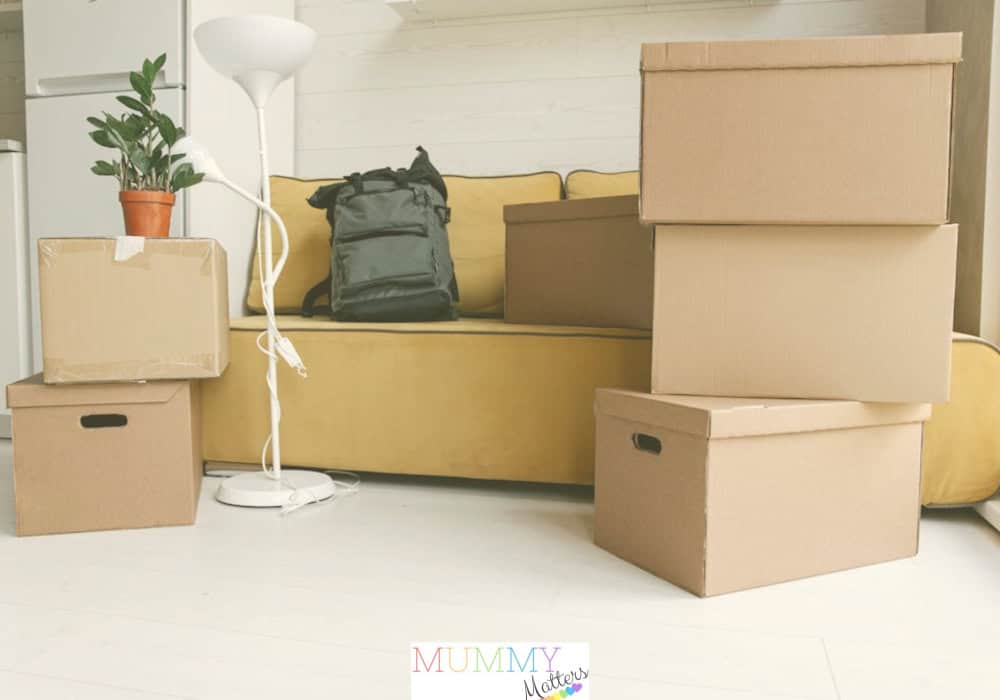
Most people underestimate how long it takes to move. As soon as you know you’re going, open a digital planner or spreadsheet. Track your timeline, list tasks, and assign deadlines. Doing this early gives you breathing room and reduces the kind of last-minute stress that makes people throw entire junk drawers into boxes labeled “miscellaneous.”
If you’re planning to move during peak seasons—summer or the end of the month—you’ll want to reserve trucks and services weeks ahead. Those time slots vanish fast, and waiting can mean higher rates or fewer options. Planning also gives you time to purge, pack smart, and delegate. Moving is never just about the stuff; it’s also about managing time and expectations.
Don’t Be a Hero—Get Professional Help
There’s a certain mythology around the DIY move. We imagine ourselves lugging boxes like Olympic champions, saving money, and feeling self-reliant. In reality, your back aches by noon, and half your dishes don’t survive the trip. If your budget allows, getting help makes a huge difference.
This is where a local moving company can be invaluable. Not only do they bring muscle and equipment, but they also know the area—like which streets to avoid during rush hour or how to handle an elevator-less third-floor walk-up. During a time when more Americans are juggling work-from-home schedules and childcare with tight deadlines, outsourcing the heavy lifting is less a luxury and more a survival strategy. It can also keep your friendships intact, since bribing friends with pizza gets old by your third move.
Decluttering Isn’t Optional—It’s Strategic
Moving forces you to face the consequences of every late-night online order and clearance aisle impulse buy. Use this opportunity to sort through your belongings with ruthless honesty. If you haven’t worn it, used it, or fixed it in over a year, it doesn’t deserve the backseat of your moving van.
Sell what you can online or at a yard sale, donate what’s still in good condition, and toss the rest. Every item you part with is one less thing to wrap, lift, and unpack. Plus, studies show a clutter-free space can boost mental health, which comes in handy when you’re unpacking at midnight, wondering why you still own 12 mismatched coffee mugs.
Label Like Your Sanity Depends on It
One of the most common mistakes during a move is vague or missing labels. Simply writing “Kitchen” on a box doesn’t help when you’re looking for the toaster on your first morning in the new place. Instead, write specific content and mark priority boxes with a star or “Open First.”
Color-coding by room can speed up unloading too—use tape or stickers in different shades. Not only does this help the movers know where things go, but it also saves you from having to drag boxes across your new home like you’re solving a puzzle. It’s a small step that brings big payoffs when you’re surrounded by stacks of cardboard.
Pack a Survival Kit for Day One
The first 24 hours in a new home can feel disorienting. You won’t want to dig through boxes for a toothbrush or clean socks. Pack a “day one” box or bag for each family member. Include toiletries, chargers, a change of clothes, paper towels, snacks, and basic utensils. Don’t forget trash bags and toilet paper—arguably the most crucial supplies during those first few hours.
This small preparation prevents you from feeling like a guest in your own home. It also means you can take your time unpacking the rest without immediate pressure. Let’s be honest, no one has ever found the coffee maker on the first try without planning ahead.
Digitally Map Out Your New Space
Before you start boxing up furniture, take a hard look at the layout of your new place. Measure rooms, doorways, and hallways. Use free apps to map out where larger items like beds, sofas, and desks will go. This keeps you from moving things multiple times or discovering on moving day that your sectional doesn’t fit through the front door.
Pre-planning the layout also means you can direct movers more efficiently. Knowing exactly where each item goes speeds up the unload and helps avoid that “all the furniture in one room” scenario that many people find themselves in when they don’t plan ahead.
Take Time to Make It Feel Like Home
Moving day might be chaotic, but the days after matter just as much. Once the essentials are in place, slow down. Hang a few pictures, arrange your books, light a familiar candle—do something that makes the new space feel like yours.
This isn’t just about aesthetics. Psychologists have long noted the importance of familiarity and routine for emotional well-being. In an era where so many people are seeking stability—whether after job changes, downsizing, or shifting family needs—your new space should feel safe and grounding. A home is not made in a day, but even one cozy corner can change how you experience your entire move.
Moving Doesn’t Have to Break You
Let’s face it: moving is one of those life events that tests patience, physical strength, and emotional stability all at once. But it’s also a fresh start. In a world full of unpredictability, it’s rare to choose your own reset. With the right mindset and practical steps, a home move can be more than a chore. It can be a chance to reimagine your space, your habits, and even your priorities. Just don’t forget where you packed the coffee.