
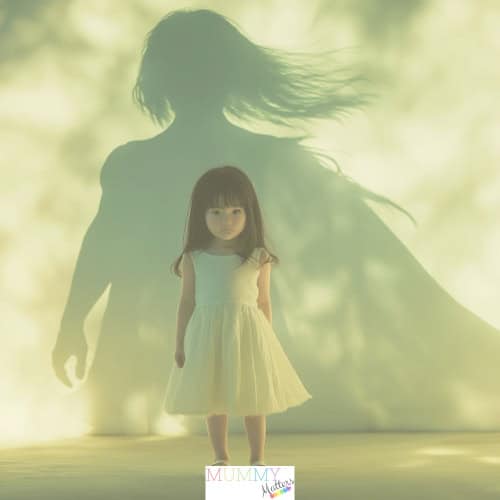
We all carry stories from childhood—some joyful, others painful. Our early years shape how we see the world, how we love, and how we protect ourselves. When those early experiences leave wounds, we may find ourselves reacting to life in ways that don’t make sense, even as adults.
This is where inner child healing comes in.
By reconnecting with the child within us—the one who felt hurt, unseen, or scared—we open the door to emotional freedom. Inner child work helps us understand our emotional triggers, release old pain, and build a healthier relationship with ourselves.
What Is the Inner Child?

The inner child is the part of you that holds the memories, feelings, and beliefs from your childhood. It’s where your early experiences live—especially the ones that shaped how safe, loved, and worthy you felt.
When your inner child is nurtured, you feel confident, joyful, and whole. But if that part of you was ignored or harmed, it may show up later in life as:
- Fear of rejection
- People-pleasing
- Self-doubt or perfectionism
- Anxiety or depression
- Emotional outbursts
- Difficulty with trust or intimacy
According to a study published in the Journal of Counseling Psychology, unresolved childhood trauma is linked to higher rates of emotional dysregulation, anxiety, and difficulty forming secure adult relationships 1.
Why Inner Child Healing Matters
Ignoring your inner child doesn’t make the pain go away. In fact, when left unhealed, it can drive unconscious behavior, sabotage relationships, and fuel negative self-talk.
Healing your inner child gives you the chance to:
- Break old emotional patterns
- Set healthy boundaries
- Feel more grounded and whole
- Build self-compassion
- Reclaim your joy and creativity
Dr. John Bradshaw, author of Homecoming, called inner child work “the most important journey of our lives.” He believed that healing the child within is key to becoming emotionally mature and free.
Signs Your Inner Child May Need Healing
You don’t have to have had severe trauma to benefit from inner child work. Even loving homes can leave wounds if your emotional needs weren’t fully met.
Some common signs your inner child may be calling out for attention include:
- You’re easily triggered by criticism or rejection
- You feel unworthy, even when you succeed
- You struggle with saying “no” or setting boundaries
- You often feel like “too much” or “not enough”
- You numb your feelings through work, food, or distractions
- You feel emotionally stuck or confused about your needs
The Healing Process: How to Reconnect with Your Inner Child
Healing your inner child isn’t about blaming your parents or reliving the past. It’s about gently offering yourself the love and safety you needed but didn’t receive.
Here’s how to begin:
1. Acknowledge Their Presence
Start by recognizing that your inner child exists. You might even look at a photo of yourself as a child and say, “I see you. I’m here for you.”
Try this:
Write a letter to your inner child. Let them know they’re safe now and that you’re listening.
2. Name the Wounds
Be honest about the hurts you experienced. Maybe you felt abandoned, criticized, or emotionally neglected. Naming these wounds is the first step toward healing them.
According to research in Child Abuse & Neglect, naming and processing childhood emotional neglect has been linked to improvements in adult emotional regulation and self-esteem 2.
3. Create Safety
Your inner child needs to know they won’t be shamed or abandoned again. Build trust by treating yourself with gentleness—especially when you’re upset.
Try this:
When you feel triggered, pause and ask, “What is my inner child feeling right now?” Then respond with compassion, not judgment.
4. Reparent Yourself
Reparenting means giving yourself the emotional care you didn’t receive as a child. This includes:
- Speaking kindly to yourself
- Setting healthy boundaries
- Meeting your basic needs for rest, fun, and connection
- Offering encouragement instead of criticism
A 2020 study published in Self and Identity found that higher levels of self-compassion were associated with lower levels of anxiety, depression, and stress 3.
5. Play and Joy
Healing isn’t just about processing pain. It’s also about reconnecting with your inner child’s natural joy and curiosity.
Try this:
Dance, draw, play a game, or spend time in nature. Ask yourself, “What made me happy as a child?” and try doing more of that.
6. Therapy Can Help
Inner child healing can bring up strong emotions. A trained therapist—especially one who specializes in trauma or inner child work—can help you move through the process with care.
Therapies that support this work include:
- Inner child therapy
- Inner family systems (IFS)
- Somatic experiencing
- EMDR (Eye Movement Desensitization and Reprocessing)
The Science of Inner Child Healing
While inner child healing is rooted in psychology and not always discussed in clinical terms, science supports the benefits of emotional reconnection and self-compassion:
- A meta-analysis in Clinical Psychology Review found that self-compassion significantly reduces symptoms of PTSD, anxiety, and depression 4.
- Studies show that writing to or dialoguing with the inner child can improve emotional resilience and increase self-awareness 5.
Final Thoughts
Your inner child isn’t broken—they’re waiting to be seen, heard, and held. Healing that part of you can unlock peace, self-trust, and emotional freedom.
Start small. Listen more. Love deeper. You have the power to become the parent your younger self always needed.
And in doing so, you don’t just heal the past—you change your future.
References
- Messman-Moore, T. L., & Bhuptani, P. H. (2017). Childhood emotional abuse and adult emotional dysregulation: The role of adult attachment and self-esteem. Journal of Counseling Psychology, 64(3), 378–388.https://doi.org/10.1037/cou0000200↩
- Hildyard, K. L., & Wolfe, D. A. (2002). Child neglect: Developmental issues and outcomes. Child Abuse & Neglect, 26(6-7), 679–695.https://doi.org/10.1016/S0145-2134(02)00341-1↩
- Neff, K. D., & Germer, C. K. (2020). Self-compassion and psychological well-being. Self and Identity, 19(2), 124–145
- MacBeth, A., & Gumley, A. (2012). Exploring the relationship between self-compassion and psychopathology: A meta-analysis. Clinical Psychology Review, 32(6), 545–552.https://doi.org/10.1016/j.cpr.2012.06.003↩
- Hall, N., & Fincham, F. (2005). The self and its parts: The inner child and dialogical self theory. Journal of Constructivist Psychology, 18(2), 169–180. ↩