
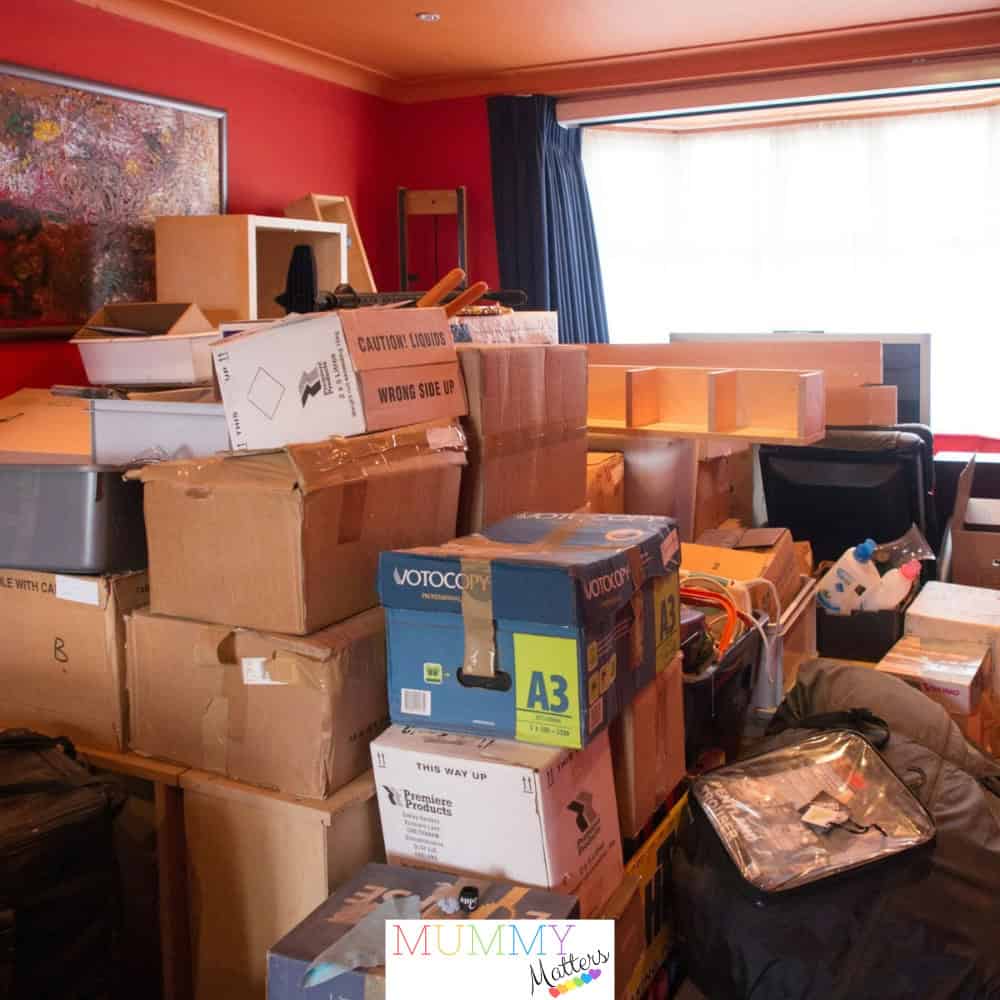
A family move can become expensive quickly when small costs pile up alongside transport, packing and time away from work. A written budget gives every expense a place and leaves fewer surprises during an already busy week.
Start with your expected moving cost, then add packing materials, cleaning, childcare, meals and a contingency of around 10 per cent. This moving budget guide offers a useful framework for identifying expenses that families can easily overlook.
Map Out the Moving Timeline Early

Set your moving date as soon as possible, then work backwards to create weekly deadlines. Six weeks out, start sorting cupboards and booking services. At four weeks, arrange utility changes and begin packing items you rarely use. Keep the final fortnight for everyday rooms, address updates and cleaning.
An early timeline also helps you avoid costly last-minute fixes. You’ll have time to sell unwanted furniture, compare providers and ask friends or relatives about school pickups or pet care. If the emotional side of moving is beginning to affect family routines, this guide to relocating your family explains why preparation needs to extend beyond boxes and bookings.
Researching Clear Service Quotes
Request written quotes from several providers and give each business the same information. Include access details, the approximate number of boxes, large furniture items, stairs, lifts and the distance between properties. A cheap estimate can grow if it excludes travel time, extra workers or difficult access.
Looking at what removalists cost can help you set a realistic starting figure for a Brisbane move and understand how time, vehicle size and staffing may affect the price. Ask what happens if the move takes longer than expected and confirm the cancellation terms.
Add every confirmed figure to your budget. A detailed relocation financial checklist can help you account for deposits, service connections and other costs beyond moving day.
Save on Packing Supplies
Before buying new supplies, check what you already have. Suitcases work well for clothing, clean towels can cushion kitchenware, and sturdy storage tubs can carry toys or pantry goods. Keep wrapping materials from deliveries during the weeks before your move, as saving these requires careful planning before moving.
Ask local shops, neighbours or community groups for clean boxes in useful sizes. Avoid damaged cartons and anything that has held food, as weak or dirty boxes can create more work. Use smaller boxes for books and heavier belongings, then reserve larger ones for bedding and light toys.
Label each carton with its destination room and a brief description. Clear labels reduce unloading time, which matters if you’re paying an hourly rate. Numbering the boxes also makes it easier to spot a missing item before the moving team leaves.
Keep Everyday Essentials Handy
Pack one essentials bag for each family member and carry these bags with you. Include a change of clothes, toiletries, medication, chargers and comfort items for younger children. A separate household box should contain toilet paper, hand soap, basic tools, cleaning cloths, bin bags and a kettle.
Plan simple food for the first evening and breakfast the next morning. Sandwich ingredients, fruit and shelf-stable snacks are usually cheaper than ordering several meals after a tiring day. Keep important documents, keys and valuables together in a folder that stays within reach.
Before leaving, photograph utility meters and check every cupboard, shelf and outdoor area. At the new home, set up beds first. A familiar bedtime routine can give the whole family a more settled first night, even while most of the boxes remain closed.
A sensible moving budget should leave room for one or two unexpected costs without affecting groceries or regular bills. Once the date is confirmed, put the timeline somewhere everyone can see it and assign age-appropriate tasks so the workload doesn’t fall on one person.