
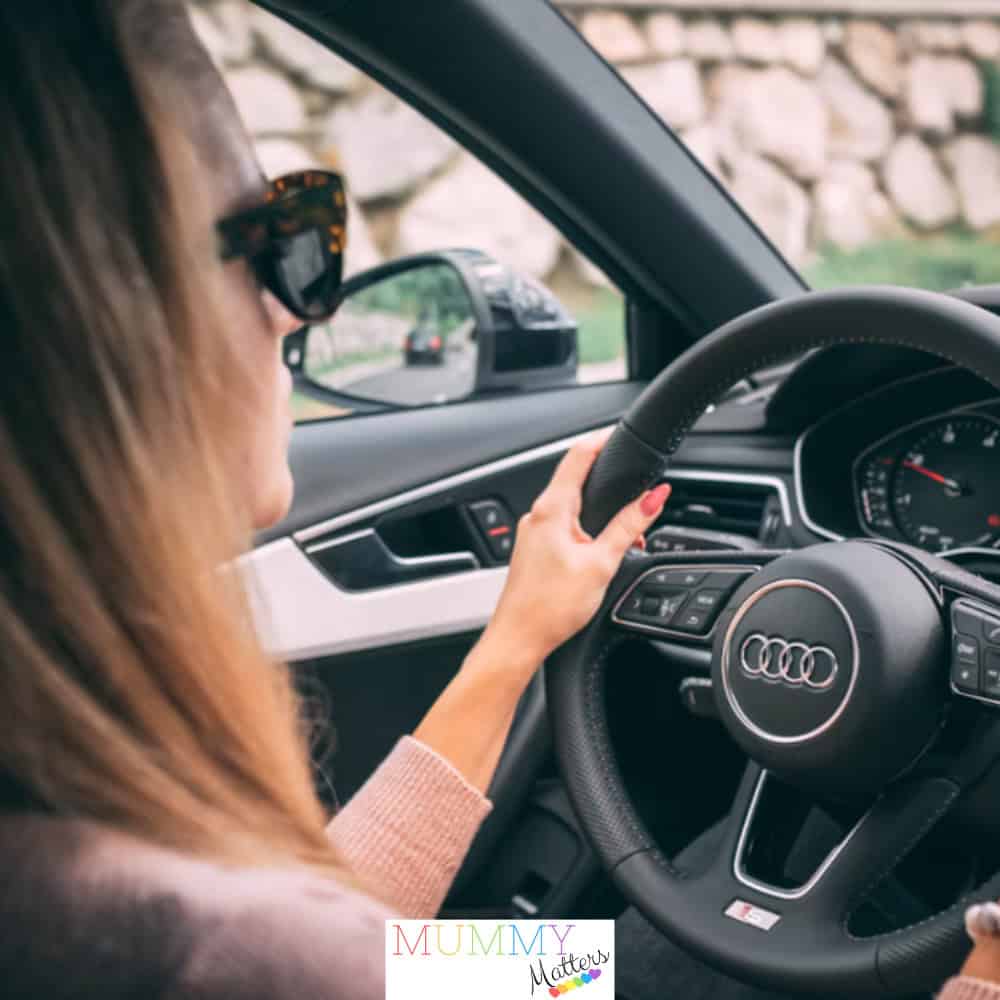
Extra practice gives learner drivers time to turn basic skills into calm, dependable habits. Lessons with an instructor provide expert guidance, but regular sessions in a family member’s or friend’s car expose you to the ordinary situations that make up most driving.
This blend of professional instruction and real-world practice is crucial for developing confidence and competence behind the wheel, especially when you need to quickly learn new roads in an unfamiliar area.
The quality of that practice matters as much as the number of hours. A learner who repeats one quiet route may feel comfortable without being ready for unfamiliar roads, heavier traffic or changing weather. A varied plan, suitable supervision and honest progress tracking build confidence that holds up beyond the driving test.
Moving Beyond Memorized Test Routes

Repeating a familiar route can help during the first few sessions because it removes some uncertainty. Over time, though, the learner may begin responding from memory. They know where the speed limit changes, which junction has poor visibility and when to move into the correct lane. That familiarity can hide skills that still need work.
Use the local test area as one part of a wider practice plan. Each week, choose a destination the learner hasn’t driven to before. It could be a supermarket in the next town, a relative’s home or a community center. Ask the learner to read signs, select lanes and respond to the road as it develops. A passenger can handle directions initially, then introduce basic independent driving once the learner is ready.
A structured behind-the-wheel study guide can help families identify skills that may be missed during casual practice. These might include controlled stops, observation at intersections, safe following distances and parking in different spaces.
Before arranging private practice, confirm that the learner is legally allowed to drive the car and that suitable insurance is in place. If you’re preparing to add regular sessions between professional lessons, or if you’re learning to drive, consider learner driver insurance today as part of the practical setup. The linked option is designed for provisional license holders aged 17 to 34 practicing in a friend’s or family member’s car, with flexible policy lengths and protection for the owner’s No Claims Discount.
Variety should increase gradually. Keep the first unfamiliar trips short and avoid combining a new route, difficult weather and busy traffic in one session.
Incorporating Everyday Driving Scenarios
Real confidence develops through ordinary tasks that require several skills at once. A trip to the grocery store may involve residential streets, a busy main road, lane selection, pedestrians and parking. That combination gives the learner useful experience without creating an artificial exercise.
Plan sessions around one main learning goal. For example, drive at dusk to practice using lights and judging visibility, or visit a busy parking lot to work on low-speed control. Other useful sessions include:
- Following signs to an unfamiliar destination
- Entering and leaving a gas station safely
- Driving on roads with changing speed limits
- Handling stop-and-go traffic
- Parking next to other vehicles
- Responding safely when an intended turn is missed
Give the learner enough notice to process each situation. A supervisor who calls out every action can increase pressure and prevent independent thinking. Use clear prompts such as, “What is the speed limit here?” or “Which lane will you need at the next intersection?” A detailed behind-the-wheel curriculum can help you introduce tasks in a sensible order.
Not every session needs to last an hour. Twenty or 30 focused minutes can be more productive than a long drive when the learner is tired. Stop if concentration drops, frustration rises or conditions become unsuitable.
End each drive with a brief conversation while the details are fresh. Ask what felt comfortable, what required extra thought and what should be practiced next time. Keep the tone factual. One difficult parking attempt shouldn’t overshadow a session that also included good observations and safe decision-making.
Essential Safeguards for Practice Cars
A practice car should be safe, legal and familiar to both the learner and supervisor. Check the tires, lights, mirrors, fluid levels and fuel before setting out. Remove loose objects from the cabin since bags, bottles and other items can move around under braking and distract the driver.
Adjust the driver’s seat before starting the engine. The learner should reach the pedals comfortably while keeping a slight bend in the knees. Set the head restraint at an appropriate height, then adjust the rearview and side mirrors. A rushed setup can affect control and visibility throughout the session.
The supervising driver also needs a clear view and must meet any applicable local requirements. They should stay alert, avoid using a phone and give directions early. An accompanying adult who becomes anxious or critical can transfer that tension to the learner. Guidance on building driving confidence emphasizes patient support and gradual exposure to more demanding conditions.
Agree on a few communication rules before moving away. The supervisor should use short, specific instructions and reserve a firm tone for an immediate safety concern. If the learner becomes overwhelmed, direct them to a safe place to stop instead of trying to teach through rising stress.
Weather deserves careful judgment. Light rain can offer useful experience once the learner has good basic control, but poor visibility or severe conditions may be unsuitable. Check the forecast and choose a route with safe stopping places. For early evening sessions, make sure all lights work before leaving.
Keep proof of insurance and any required vehicle documents accessible. Everyone should know what to do after a breakdown, warning light or minor incident, even if the plan is simply to stop safely and call for assistance.
Tracking Confidence Over Time
Confidence can fluctuate from one session to the next, so a written record gives a more reliable picture of progress. Use a notebook or phone note to record the date, route, conditions, session length and skills covered. Add one thing that went well and one clear target for the next drive.
A simple rating scale can help, but define each score so it stays meaningful. For example, a score of one might mean the learner needed continuous prompts, while five means they completed the skill calmly without help. Rate specific tasks such as hill starts, lane changes and parking instead of giving the whole drive a single score.
Look for patterns across several sessions. If lane selection remains difficult, arrange a short drive focused on road signs and positioning. When a learner performs a skill consistently on familiar roads, repeat it somewhere new. Progress shows up when good decisions transfer to different places and conditions.
Avoid treating confidence as a reason to rush into harder situations. Some learners feel ready before their observation and planning skills are consistent, while others drive safely but underestimate their ability. Compare how the learner feels with what they actually do. Missed checks, late braking and frequent prompts show where more work is needed.
Professional lessons and private practice can support each other. Share the practice log with the instructor, especially if one task repeatedly causes difficulty. The instructor can correct the technique, then the learner can reinforce it during later sessions.
Finish each practice drive by choosing one specific focus for the next outing. When the log shows calm, repeatable performance across unfamiliar routes, everyday errands and changing conditions, that confidence rests on experience instead of familiarity alone.