
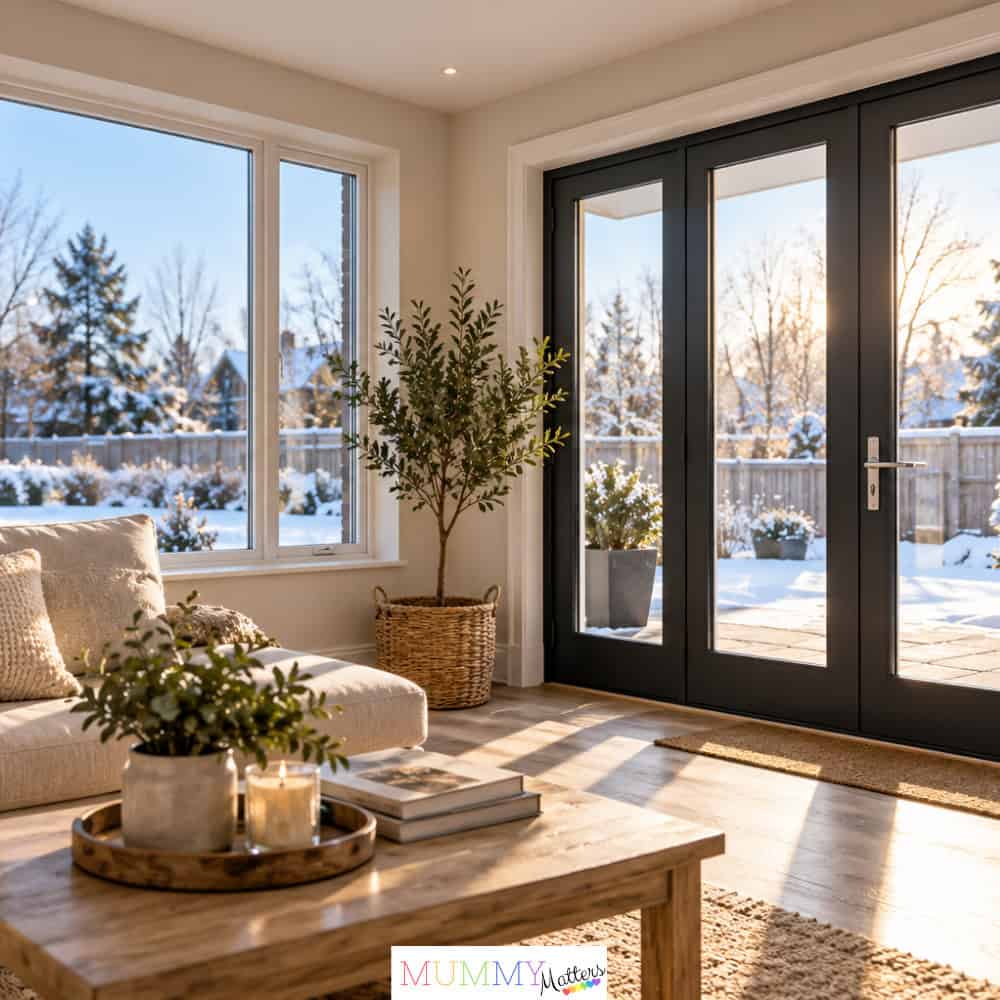
What difference can new windows and doors actually make to a home’s energy efficiency? For homeowners in Newmarket, Ontario, where homes need to stay comfortable through both cold winters and warm summers, the answer goes beyond simply replacing an old frame with a newer-looking one. Windows and exterior doors are part of the home’s thermal envelope, so their glass, frames, seals, and installation can all influence how easily heat moves in and out.
When older units are drafty, poorly sealed, or inefficiently glazed, your heating and cooling system may have to work harder to maintain a comfortable indoor temperature. Replacing them with appropriately rated products can help reduce heat loss, improve comfort, and make energy use more predictable.
Why Older Windows and Doors Can Waste Energy

Windows and doors are natural weak points in a home’s exterior because they contain openings, moving components, glass, and joints that can allow heat transfer or air leakage. Over time, seals can deteriorate, frames can become less effective, and older glazing systems may provide considerably less insulation than modern designs. You may notice the problem through practical signs such as:
- Cold drafts around window or door edges
- Rooms that feel noticeably colder near windows
- Condensation appearing frequently on interior glass
- Difficulty keeping certain rooms at a comfortable temperature
- Higher heating or cooling demand
- Doors that no longer close or seal properly
Replacing a window simply because it looks dated is not necessarily an energy-efficiency upgrade, the important question is how well the entire unit performs.
Look Beyond the Number of Glass Panes
Double- and triple-pane windows are often discussed when homeowners start researching replacements, but the number of panes is only part of the picture. Modern energy-efficient windows can combine insulated glazing with low-emissivity coatings, gas fills, insulated frames, and improved sealing. These features work together to reduce heat transfer while maintaining useful natural light.
Natural Resources Canada explains that ENERGY STAR certified windows are about 20% more energy efficient than the average window, while certified doors are about 15% more efficient than average doors. That makes it worth comparing the actual performance ratings of products rather than assuming that every new window will provide the same benefit.
Understand the Ratings Before You Buy
Energy-efficiency labels can look complicated at first, but a few measurements are particularly useful when comparing windows and doors:
- U-factor: Measures how quickly heat moves through a product. A lower U-factor generally means better insulation.
- Solar Heat Gain Coefficient (SHGC): Indicates how much solar heat passes through the window. The right level depends on factors such as orientation, climate, and sunlight exposure.
- Energy Rating (ER): As defined by Natural Resources Canada, combines factors including U-factor, solar heat gain, and air leakage. A higher ER generally indicates better overall efficiency under the Canadian rating system.
You don’t need to become a window-performance expert before shopping. The important thing is to compare products using the same measurements rather than judging them solely by appearance or price.
Installation Matters Just as Much as the Product

Even a highly efficient window can underperform if it’s installed poorly. Gaps around the frame, inadequate sealing, or incorrect installation can allow air and moisture to move where they should not. Natural Resources Canada specifically warns that poorly installed windows, doors, and skylights can cause drafts, condensation, and water leakage. This is why replacement should be viewed as a complete project rather than simply a product purchase, the quality of the installation affects how well the new unit performs once it becomes part of the home’s exterior envelope.
New Doors Can Reduce Drafts Too
Windows often receive most of the attention during an energy-efficiency upgrade, but exterior doors deserve the same consideration. An older exterior door can allow noticeable air leakage around the frame, threshold, or weatherstripping, and even when the door itself is reasonably insulated, worn seals can undermine its overall performance.
A newer door system can combine an insulated core with improved weatherstripping, a tighter frame, and better-fitting components, resulting in not just lower heat transfer but a more comfortable area around the entrance. This can be particularly noticeable during winter when cold air entering around an exterior door makes nearby floors and rooms feel colder.
Choosing the Right Installer Makes a Difference
Once you’ve compared products, the next decision is who will install them, and this part deserves as much attention as the window or door itself. For homeowners researching window and door installation in Newmarket, the priority should be finding an installer who understands both the product and the existing structure around each opening.
Premier North Windows & Doors provides window and door installation services in Newmarket, giving homeowners a local option when planning to replace window and door installation in Newmarketement work. A good installation process should account for measurements, existing openings, sealing, insulation, flashing where applicable, and the final operation of each unit, ensuring the finished installation performs properly as part of the home, not just that a new window fits the opening.
Compare Total Value, Not Just the Initial Price
The least expensive window or door is not automatically the most economical choice over its entire service life. When comparing options, consider energy-performance ratings, expected durability, installation quality, warranty coverage, maintenance requirements, available rebates or incentives, and how well the product suits the room and climate. Natural Resources Canada recommends checking whether products are ENERGY STAR certified and looking into available rebates and incentives before purchasing. Taking these factors together gives you a better basis for deciding whether a particular upgrade represents genuine value.
Conclusion
New windows and doors can improve energy efficiency by reducing heat transfer, limiting drafts, and helping maintain more consistent indoor temperatures. The biggest difference comes from choosing products with appropriate performance ratings and having them installed correctly, rather than simply choosing the newest-looking option.
For homeowners in Newmarket, considering the home’s orientation, existing condition, climate, and long-term comfort can make the replacement decision much more worthwhile. A well-planned upgrade can improve how the home feels every day while also helping reduce unnecessary energy use over time.