
Early childhood is a critical stage for physical and mental development. During these years, children rapidly build motor skills, coordination, awareness, and learning abilities that shape future growth. Aquatic education can play an important role in supporting this development by introducing children to movement, interaction, and problem-solving in a water environment.
Many parents choose newborn swimming lessons to help their children become familiar with water while encouraging healthy physical activity from an early age. These sessions focus on movement, confidence, and comfort in water while supporting important developmental milestones.
Supporting Physical Development Through Water Activities
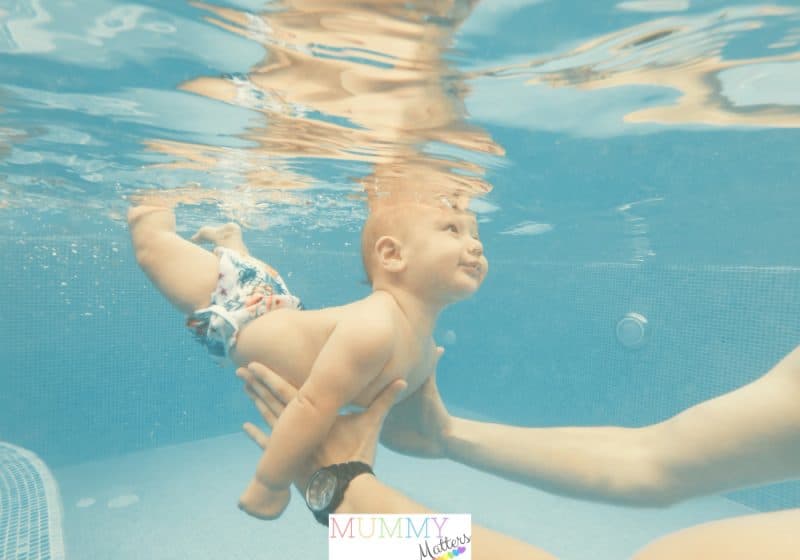
Water provides a unique environment that allows babies and young children to move more freely than they often can on land. The natural resistance of water encourages muscle activity without placing pressure on growing joints and bones.
Simple movements such as kicking, reaching, floating, and turning help strengthen muscles and improve flexibility. These activities also support the development of coordination and balance, both of which are essential in early childhood.
Because water encourages full-body movement, children learn how to control different parts of their bodies together. Over time, this can improve posture, stability, and overall physical confidence.
Improving Motor Skills and Coordination
Aquatic activities require children to use both sides of their bodies at the same time. Repetitive movements in water help improve motor planning and coordination, which are important for many everyday activities later in life.
Children gradually learn how to respond to movement, adjust their balance, and control their actions in changing environments. This can positively influence crawling, walking, running, and other physical milestones.
Early exposure to swimming also encourages body awareness. Children become more familiar with how their bodies move and react, helping them develop better control and responsiveness.
Encouraging Cognitive Growth
Aquatic education is not only beneficial for physical development – it also supports cognitive growth. Swimming activities involve listening, observing, reacting, and remembering instructions, all of which engage the brain.
Children participating in water activities are introduced to patterns, repetition, and simple problem-solving. For example, learning how to float, move toward a parent, or respond to verbal instructions encourages concentration and memory development.
The combination of movement and sensory experiences in water can also support neural development during the early years.
Sensory Stimulation and Learning
Water creates a multi-sensory environment that can positively influence early learning. The feeling of water movement, temperature changes, sounds, and physical interaction all stimulate a child’s senses.
These sensory experiences help children become more aware of their surroundings and improve responsiveness. Activities involving splashing, reaching, and movement can also encourage curiosity and exploration.
Exposure to different sensory experiences during infancy and early childhood may support learning and adaptability as children grow.
Building Confidence and Independence
Confidence is another major benefit of aquatic education. As children become more familiar with water, they often feel more comfortable exploring movement and participating in activities.
Small achievements in the pool – such as floating, kicking independently, or moving through water – can help build self-confidence. This sense of accomplishment may also influence how children approach new experiences outside the pool.
Children who participate in regular swimming activities often become more comfortable in social environments as well, especially when lessons involve interaction with instructors and other children.
Supporting Emotional Development
Aquatic sessions can also strengthen the connection between parents and children. Many early swimming programs involve direct parent participation, helping children feel secure as they learn new skills.
The shared experience of learning and playing in water can help children feel more relaxed and emotionally supported. Familiar routines and positive experiences in the pool may also help improve comfort in unfamiliar situations.
Preparing Children for Future Learning
Children who are introduced to swimming at an early age often adapt more easily to advanced lessons later. Because they are already comfortable with water movement and pool environments, they can focus more on learning techniques and skills.
Regular participation in kids’ swimming lessons can continue supporting coordination, discipline, and confidence as children grow older. These experiences often create a strong foundation for lifelong physical activity.
Final Thoughts
Early aquatic education offers more than water familiarity -it supports physical, cognitive, emotional, and sensory development during important stages of childhood growth. Through movement, interaction, and repetition, children can develop valuable skills that extend beyond the pool.
By participating in newborn swimming lessons and continuing with age-appropriate swimming activities, children can build confidence, coordination, and learning abilities that benefit them well into the future.