
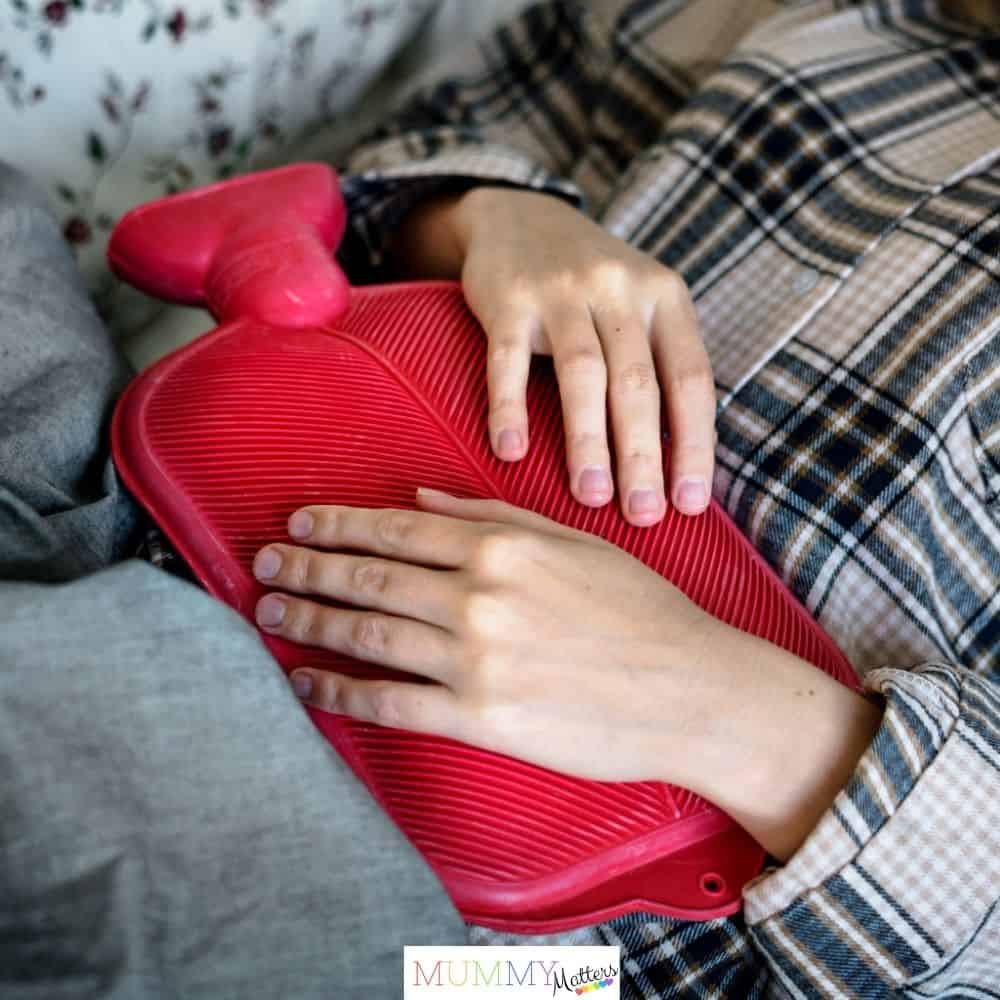
It’s an object your grandmother had. Rubber, faintly ridged, filled from the kettle and pressed against whatever hurt. Then it disappeared for about two decades while everything got electric and app-connected, and now it’s back on shelves and in people’s beds. That return says something interesting about what people actually want when they’re having a bad day.
What’s changed is mostly the covering, since the fundamental design was already about as simple as an object can be. Households across the world have quietly reinstated it alongside the more complicated things they bought instead.
Here’s why something this basic keeps outlasting its replacements.
What Local Heat Actually Does to Pain

The mechanism isn’t mysterious, and it’s reasonably well documented. Research published through the NIH’s National Center for Biotechnology Information describes local heat application causing blood vessels to dilate, improving blood supply, and temporarily interrupting pain signals reaching the brain, with thermoreceptor stimulation reducing pain according to gate control theory.
A separate clinical trial on acute low back pain noted that heat increases soft tissue flexibility and encourages muscle relaxation. It’s worth being honest that the evidence isn’t uniformly positive across every pain type, and at least one study found heat increased the sensation of sharp pricking pain rather than reducing it. Heat suits muscular aches and cramping considerably better than acute, sharp injuries.
Common Uses of Heat Therapy for Everyday Discomfort
The applications cluster around a few recurring problems, most of them mundane rather than medical:
- Period cramps: sustained abdominal warmth, which is the use case with the longest history behind it
- Lower back ache: the stiffness that accumulates from sitting badly for eight hours
- Cold feet at bedtime: placed in the bed beforehand rather than held against the body
- Tension in the neck and shoulders: where stress physically accumulates for a lot of people
None of these are conditions requiring treatment. They’re the ordinary discomforts of a long day, which is precisely the category where something simple and immediate beats something clinical.
The Mental and Emotional Benefits of Heat Therapy
There’s a component here that has nothing to do with vasodilation. Sustained warmth against the body is genuinely calming in a way that’s difficult to separate from the physical effect, and the clinical literature on heat therapy notes that attention gets drawn away from pain as much as the pain itself diminishes.
That distraction effect is worth taking seriously rather than dismissing as a placebo. On a rough day, the problem is frequently as much about winding down as about any specific ache, and something warm to hold does work that a painkiller doesn’t. It’s the same reason a hot drink helps when nothing about the situation has changed.
The Role of Materials in Hot Water Bottle Comfort
Bare rubber against skin is unpleasant and too hot, which is why the traditional version came with a knitted cover and why the modern revival is largely a story about materials.
- Temperature moderation: fleece, faux fur, and soft knits reduce surface heat, making direct contact comfortable rather than uncomfortable
- Genuinely pleasant to hold: a good cover transforms the object from something tolerated into something people actually reach for
- Removable and washable design: covers built to come off and be cleaned separately, extending the usable life of the whole product
- A meaningfully different daily object: a bottle with a well-made cover functions differently in everyday use than a bare one
According to the experts at CosyPanda, a hot water bottle with a well-made removable cover is a different object in daily use than a bare one. Producing covers designed to be washed and replaced separately is part of what makers have built their range around.
Safe Use Matters More Than People Assume
Burns from hot water bottles are a genuine and reasonably common injury, particularly among older adults and anyone with reduced skin sensation. The rules are simple and worth following properly: never use boiling water, letting the kettle sit for a few minutes first; fill to about two-thirds, then expel air before sealing to reduce pressure on the seams; always use a cover and never place it directly against bare skin; and replace it every couple of years, since rubber degrades.
Anyone with diabetes, neuropathy, or circulatory problems should be particularly careful, since reduced sensation means a burn can develop without the warning discomfort that would normally prompt you to move it.
Choosing a Hot Water Bottle for Everyday Use
Most people buy the first one they see and end up with something slightly wrong for how they actually use it. A few details are worth checking:
- Capacity: a full two-litre bottle is heavy against the stomach and slow to fill, while smaller sizes heat faster and sit more comfortably
- Shape: long narrow versions wrap around the lower back or shoulders in a way a standard rectangular bottle won’t
- Removable cover: it will end up in a bed, and a cover you can wash matters more than it sounds
- Cover material: fleece and knit hold warmth differently, and some faux furs mat badly after a few washes
- The daisy wheel stamp: the moulded date on the rubber tells you how old the bottle is and how much life it has left
Think about where you’ll actually use it before defaulting to the largest option on the shelf, since the biggest bottle is rarely the most comfortable one.
Final Thoughts
The appeal isn’t nostalgia, though that’s part of the packaging. It’s that the object requires nothing from you: no charging, no settings, no app, no waiting for it to warm up beyond the time the kettle takes. On a day where everything has been slightly too complicated, that absence of demand is most of the point. It won’t fix anything structural, and persistent pain that keeps needing heat is worth mentioning to a GP rather than managing indefinitely. But for the ordinary version of a rough day, an object your grandmother would recognize still does the job better than most things invented since.