
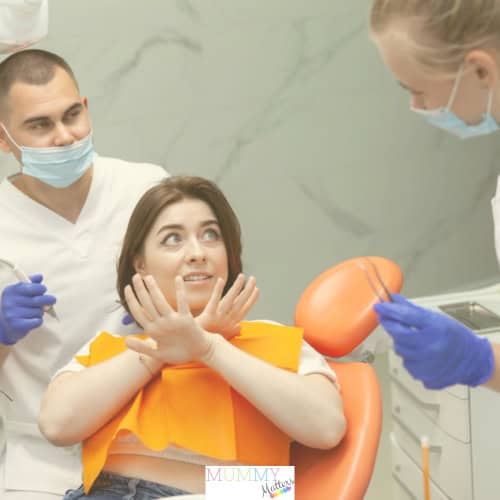
Most people don’t cancel a dental appointment, thinking it will not matter much. One rescheduled cleaning turns into two, then three, and before long, years have passed. Studies in dental health research suggest that around 36% of adults experience some degree of dental anxiety. That number tells only part of the story. The true cost of avoidance stretches far beyond a gap in someone’s appointment history, quietly compounding through declining oral health, rising expenses, and shifts in physical well-being that rarely get traced back to the dentist’s chair.
How Avoidance Builds Into Bigger Problems
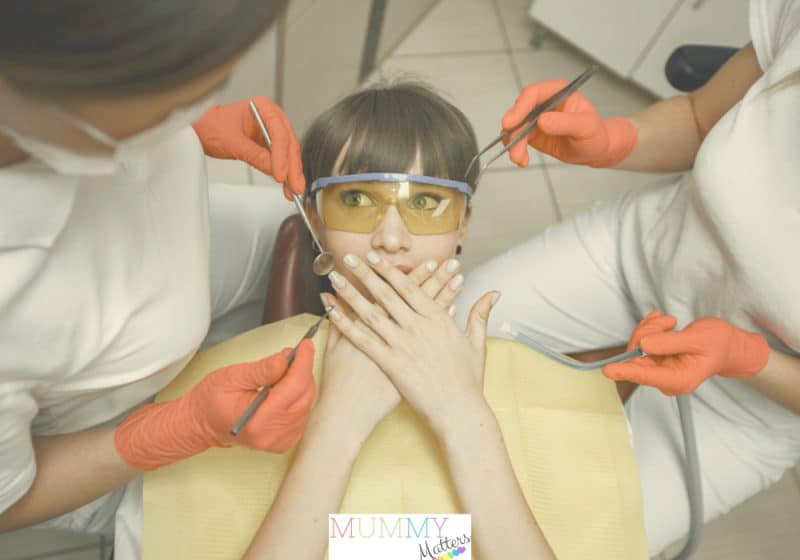
A small cavity does not wait around politely. Left alone, decay works through the enamel, penetrates the softer dentin layer, and eventually threatens the nerve. A filling that might have taken twenty minutes at an early stage can turn into a root canal or an extraction after a few years of putting it off. Each skipped visit gives existing problems more time to progress, and the treatment required at the other end grows more involved.
People dealing with dental anxiety often benefit from knowing that the sedation dentists Las Vegas providers offer can make the entire experience far less stressful. Options range from mild oral relaxation medication to deeper conscious sedation, giving patients real control over their comfort level. For many, simply learning about these choices is enough to make that overdue appointment feel possible again.
The Financial Side of Postponement
Preventive visits sit at the low end of the dental cost spectrum. Cleanings, exams, and routine X-rays are affordable compared to the restorative procedures they help avoid. The American Dental Association has noted that a single dollar invested in prevention can save anywhere from $8 to $50 in future treatment. Patients who have been away for five years or longer often return to bills in the thousands once the accumulated damage is addressed.
Insurance Gaps Add Up Too
Most dental plans run on a use-it-or-lose-it structure with annual maximums. Benefits that go unclaimed in a given year simply vanish; they do not carry forward. Someone paying monthly premiums while never stepping into an office is essentially throwing that coverage away. Stretch that pattern across a decade, and the total value of unused benefits adds a painful layer to already rising treatment costs.
Physical Health Consequences Beyond the Mouth
Oral health and whole-body health are more closely connected than many people assume. Persistent gum disease has been associated with higher risks of cardiovascular problems, stroke, and difficulty managing blood sugar in diabetic patients. Harmful bacteria thriving along infected gum tissue can migrate into the bloodstream, sparking inflammatory responses in distant organs. Skipping dental care doesn’t just put teeth at risk; it may quietly increase the risk of conditions that seem entirely unrelated.
Mental and Social Effects
The psychological weight of dental fear warrants attention in its own right. Adults who feel self-conscious about visible decay or missing teeth tend to pull back from social settings. Covering the mouth while laughing, avoiding photographs, and turning down invitations become ingrained habits over time. Research in oral health psychology has established a clear correlation between untreated dental conditions and decreased self-esteem, as well as increased social withdrawal.
Breaking the Cycle of Fear

Today’s dental offices offer considerably more comfort-focused approaches than most anxious patients expect. Guided breathing techniques, noise-canceling headphones, and gradual exposure visits all serve to lower the emotional barrier. Sedation methods provide another dependable route for those whose fear feels too intense to manage through relaxation alone.
Choosing the Right Provider Matters
A practitioner experienced with nervous patients will explain every step before performing it, check in frequently, and offer pauses during longer procedures. Scanning patient reviews for specific mentions of anxiety-friendly care can help narrow the search. Comfort during treatment is not a bonus; it is a practical factor that determines whether someone keeps returning or vanishes from the schedule for another half-decade.
Small Steps That Prevent Large Costs
Booking a consultation rather than jumping straight into a procedure takes much of the pressure off. Plenty of offices structure initial visits around conversation and examination only, with no intensive work involved. Building a genuine sense of trust with a provider, at whatever pace feels right, which makes long-term care far more sustainable. Pairing that relationship with a reminder system for biannual checkups helps turn a single brave visit into a lasting routine.
Conclusion
Dental fear carries a price that reaches well past one canceled appointment. It builds through worsening oral conditions, escalating treatment bills, forfeited insurance benefits, and shrinking confidence. The encouraging reality is that comfort-focused care has expanded in meaningful ways over recent years. Recognizing the pattern and exploring gentler treatment paths can keep that quiet cost from climbing any higher. One well-informed decision today can protect both health and finances for years to come.