

A child’s smile changes significantly from infancy through adolescence, and understanding this progression helps parents support healthy dental development. While every child grows at a unique pace, most follow a predictable pattern as baby teeth emerge, fall out, and make way for permanent teeth. Awareness of this timeline allows families to anticipate milestones, recognize potential concerns early, and establish strong oral care habits that last into adulthood.
The Arrival of Baby Teeth
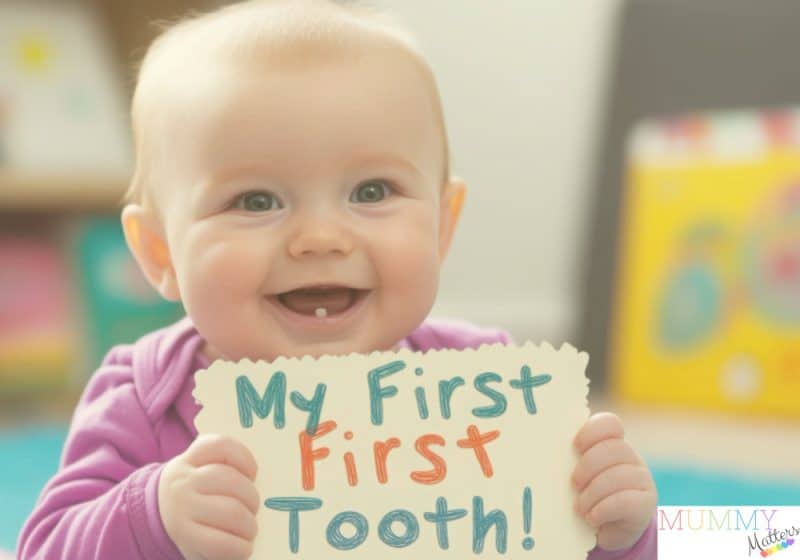
Most infants begin teething around six months of age, though some may start a little earlier or later. By age three, children typically have a full set of 20 primary teeth. These early teeth play vital roles in speech development, chewing, and saving space for the permanent teeth still forming under the gums. Teething can be uncomfortable, and symptoms often include drooling, fussiness, or mild gum swelling. Offering cool teething rings or gently massaging the gums can provide relief.
Regular dental visits should begin around the first birthday. Early appointments introduce the child to the dental environment, allow parents to learn proper cleaning techniques, and help identify potential concerns such as early childhood decay. Families located near practices like eastlake pediatric dentistry can use these early visits to establish a long-term relationship with a pediatric dentist, ensuring that the child’s oral health is monitored consistently throughout their development.
Losing Baby Teeth
Most children start losing their baby teeth around age six. The incisors usually fall out first, followed by the molars and canines. This phase can be exciting for kids, but it may also come with questions about what is normal. A wiggly tooth that remains loose for several weeks is common. Parents should encourage gentle wiggling with clean fingers but avoid forceful pulling, which can cause pain or gum injury.
During this period, maintaining healthy habits is essential. Baby teeth can still develop cavities, and decay can affect the permanent teeth growing beneath them. Reinforcing daily brushing with fluoride toothpaste, flossing, and regular dental checkups will help ensure the transition from primary to permanent teeth is smooth.
The Emergence of Permanent Teeth
Permanent teeth typically start appearing between ages six and seven, beginning with the first molars and lower central incisors. These “first molars” erupt behind the baby teeth, not in place of them, so parents might not notice the change immediately. As permanent teeth come in, they may appear larger, less even in color, or more textured than baby teeth. These differences are normal and will become less noticeable as the full set develops.
By age twelve to thirteen, most children have gained their full collection of permanent teeth, except for the wisdom teeth that may emerge in late adolescence. During these years, crowding, spacing, or bite alignment issues often become apparent. This is usually the stage when dentists recommend orthodontic evaluations to determine whether braces or other treatments may be helpful.
Supportive Habits During Dental Development
As children grow, their oral health habits evolve alongside their teeth. Parents play a crucial role in guiding these routines. Until children demonstrate the dexterity needed for thorough brushing, parents should supervise and assist. Many experts recommend continuing supervision until around age eight.
Nutrition also influences dental health. Limiting sugary snacks, offering water instead of sweetened beverages, and including tooth friendly foods such as cheese, yogurt, and crunchy vegetables help protect enamel and support healthy development. Mouthguards become important as children engage in sports to protect both baby and permanent teeth from injury.
Regular dental checkups remain foundational. These visits allow for professional cleanings, fluoride treatments, and early detection of issues that may not be visible at home. Even once children brush independently, ongoing guidance from dental professionals ensures that any emerging concerns are addressed quickly.
When to Seek Extra Guidance
While many dental milestones follow a predictable timeline, some may require additional attention. Parents should consult their dentist if permanent teeth do not appear within several months of baby tooth loss, if teeth come in significantly misaligned, or if the child experiences ongoing discomfort. Early intervention often makes treatment simpler and more effective.
Conditions like prolonged thumb sucking, tongue thrusting, or mouth breathing can also influence dental development and may require correction. Discussing these habits with a dentist ensures that they are addressed before they contribute to alignment or bite issues.
This dentist who does high-quality veneers in Ballwin MO adds that monitoring these developmental shifts allows for timely interceptive care, which can guide jaw growth and create necessary space for incoming teeth. Taking a proactive approach during these formative years often reduces the need for more complex orthodontic procedures in the future.
Conclusion
The journey from baby teeth to permanent smiles is an exciting and significant part of childhood. Understanding what to expect at each stage helps parents encourage good habits and support healthy dental growth. With consistent care, regular checkups, and attention to early signs of concern, families can help their children build confident, lifelong smiles that begin with a strong foundation. For more helpful parenting insights, daily routines, and real-life experiences from a mom’s perspective, explore our mom blog where we share practical tips to support your child’s healthy growth every step of the way.