
When you’re breastfeeding, there often comes a point where you start thinking about expressing and storing milk. It might be because you’re planning a much-needed afternoon to yourself, preparing for your return to work, or simply wanting your partner to enjoy feeding your baby too.
I remember how reassuring it felt knowing there was milk in the fridge or freezer ready for those moments when life didn’t quite go to plan. Having a small stash gave me confidence without feeling like I needed to build an enormous freezer supply.
The good news is that storing breastmilk safely is straightforward once you know the recommended guidelines. In this guide, I’ll explain everything you need to know about breast milk storage, including how to express milk, how long it can be stored, how to thaw frozen milk safely and the common mistakes to avoid.
The advice throughout this article follows current UK recommendations alongside internationally recognised breastfeeding guidance, helping you feel confident that your baby is receiving your breast milk safely.
Why parents choose to store breast milk
Every family’s breastfeeding journey looks different, and there isn’t one “right” way to do things.
Many parents choose to store breast milk because it gives them a little more flexibility while continuing to breastfeed.
Common reasons include:
- Returning to work after maternity leave
- Sharing feeds with a partner
- Leaving baby with grandparents or childcare
- Building a small emergency supply
- Relieving engorged breasts
- Supporting babies who struggle to latch
- Feeding premature or poorly babies
- Protecting milk supply while separated from baby
For many mums, expressing and storing breast milk becomes part of everyday family life rather than replacing breastfeeding altogether.
What is expressed breast milk?
Expressed breast milk is simply breast milk that has been removed from the breast and stored so it can be fed to your baby later.
You can express your milk in several ways:
- Hand express
- Use a manual breast pump
- Use an electric pump
There’s no single best method.
Some mums find it easier to hand express during the first few days after birth, particularly when collecting precious colostrum. Others prefer an electric pump once breastfeeding is established or if they’re expressing regularly. The NHS explains that many mothers use a combination of methods depending on what feels most comfortable and practical.
Before expressing: preparing safely
Before you express milk, it’s worth taking a few simple steps to help keep your breast milk safely stored and reduce the risk of contamination.
Wash your hands
Always wash your hands thoroughly with soap and warm water before expressing or handling milk.
Clean pumping equipment
Whether you’re using a manual or electric pump, make sure all pumping equipment has been washed, sterilised and allowed to air dry before use.
Choose the right storage container
You can store expressed breast milk in:
- Sterilised bottles
- Sterilised reusable storage containers
- Special breastmilk storage bags
Avoid ordinary plastic bags, as these aren’t designed for safely storing milk.
How to express breast milk
Every breastfeeding mum is different, so don’t worry if expressing doesn’t feel natural immediately.
Sometimes your milk flows straight away. Other times it takes patience.
The NHS recommends choosing a calm, relaxed environment. Looking at your baby, smelling one of their sleepsuits or covering your breasts with a warm towel beforehand can all help encourage your let-down reflex and encourage milk to flow.
Hand expressing
Many midwives encourage mums to hand express during the early days.
It’s especially useful:
- after birth
- when collecting colostrum
- if your breasts feel very full
- if you’re away from your breast pump
Cup one breast with your hand, placing your thumb and finger in a “C” shape just behind the darker area around your nipple. Gently compress and release rhythmically rather than squeezing the nipple itself.
As your milk is flowing, rotate your fingers around the breast to empty different milk ducts.
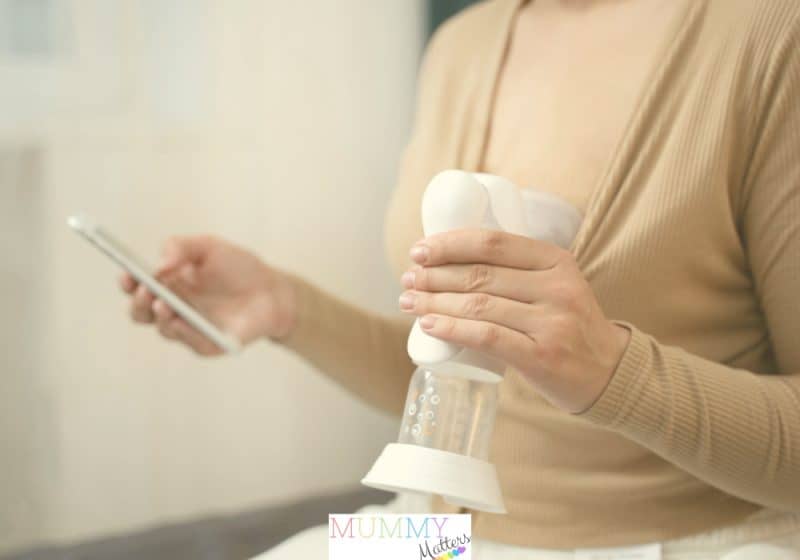
Using a breast pump
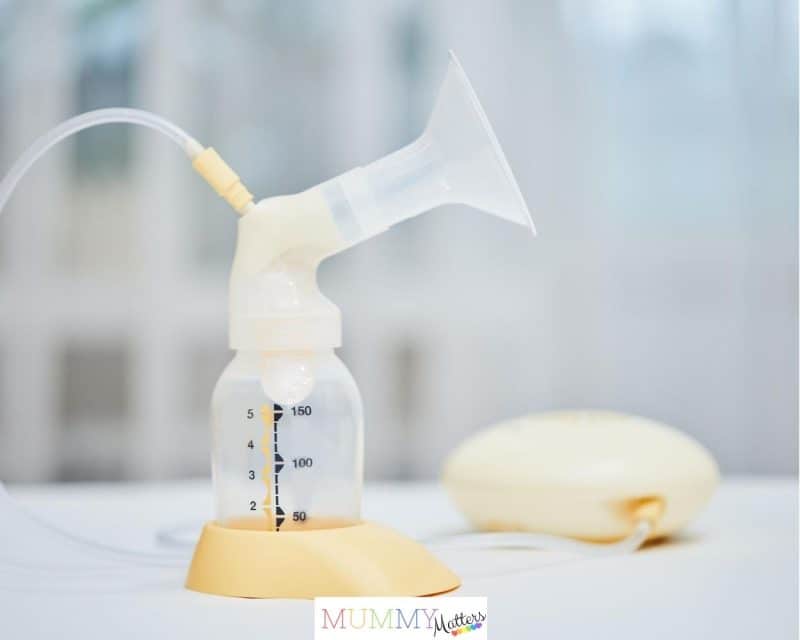
A breast pump can save time if you’re expressing regularly.
You may choose between:
- Manual pumps
- Single electric pumps
- Double electric pumps
If using an electric pump, begin with a gentle suction setting before increasing gradually.
One of the biggest mistakes new mums make is assuming stronger suction means more milk. In reality, pumping shouldn’t hurt. A comfortable fit usually produces better results and helps protect your nipples.
How long can breast milk be stored?
One of the questions new parents ask most is:
“How long does expressed milk actually last?”
Fortunately, the guidance is very clear.
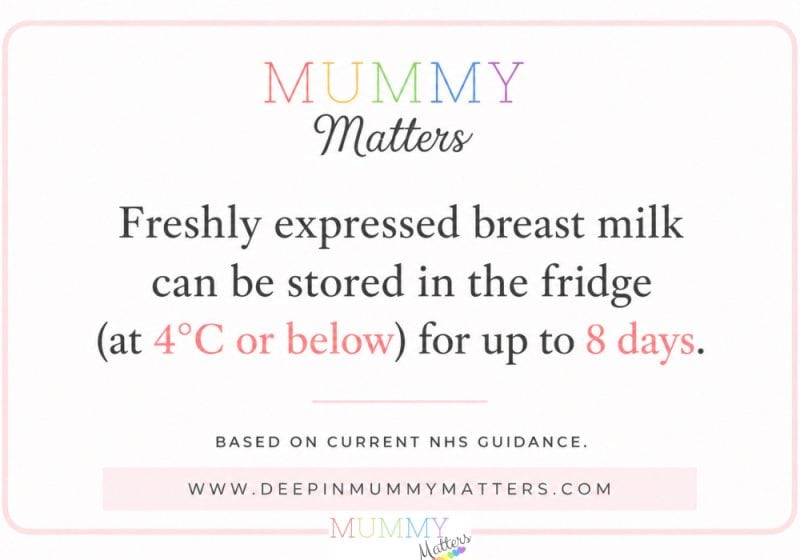
Recommended breast milk storage times
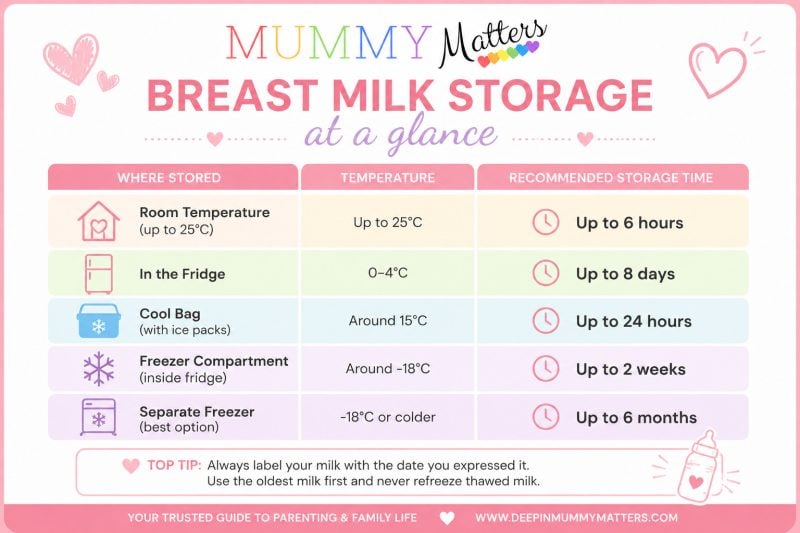
Always label milk with the date it was expressed and use the oldest milk first.
Storing milk in small quantities can also reduce waste, as you’ll only need to thaw what your baby is likely to drink.
Freezing breast milk safely
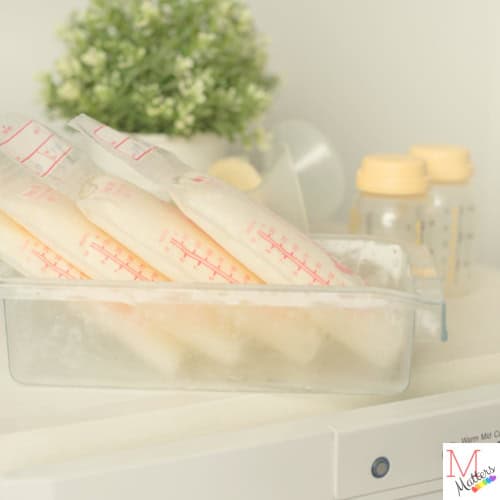
If you know you won’t need your freshly expressed breast milk for a few days, freezing it is a brilliant way to preserve it for later.
One thing I wish I’d known sooner is that you don’t need to freeze huge amounts at once. Babies often drink different amounts from feed to feed, especially in the early weeks, so freezing small amounts (around 60–120ml) can help reduce waste.
Tips for freezing breast milk
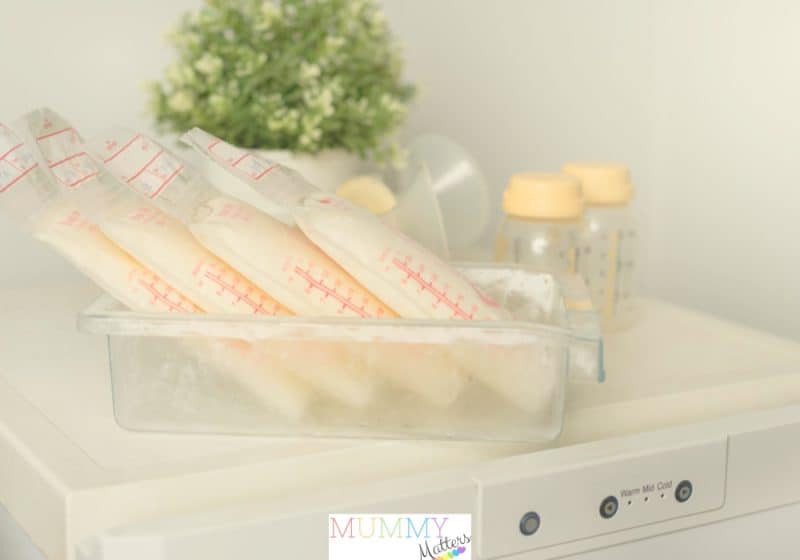
- Allow freshly expressed milk to cool in the fridge before placing it in the freezer if you’re adding it to milk that’s already chilled.
- Leave a small gap at the top of the storage container or breastmilk storage bags, as breast milk expands as it freezes.
- Clearly label every container with the date it was expressed.
- Store newer milk behind older milk so you’re always using the oldest supply first.
- Keep milk towards the back of the freezer where the temperature stays more consistent.
If you’re expressing several times in one day, you can combine milk expressed on the same day, provided it has all been chilled before mixing.
“I remember feeling guilty because I only ever had a few bags of milk in the freezer. Social media made it seem as though everyone had drawers full of frozen milk. Looking back, I realise a small supply was all I actually needed, and it took away so much unnecessary pressure.”
Can I add fresh milk to chilled milk?
Yes, but there are a couple of important rules.
Freshly expressed milk should always be cooled in the fridge before adding it to already chilled milk. Adding warm milk straight to cold milk can raise the overall temperature, making it less safe to store.
If you’re planning to freeze the combined milk, label it using the date of the oldest milk in the container.
How to thaw frozen breast milk
When it’s time to use your frozen supply, gentle thawing helps preserve more of the beneficial nutrients found naturally in breast milk.
The safest ways to defrost frozen breastmilk are:
- Leave it overnight in the fridge.
- Hold the container under cool, then gradually warmer, running water.
- Place the container in a bowl of warm water.
Avoid rushing the process where possible.
Once you’ve defrosted frozen breastmilk, it should be kept in the fridge and used within 24 hours. It shouldn’t be refrozen once fully thawed.
How to warm breast milk safely
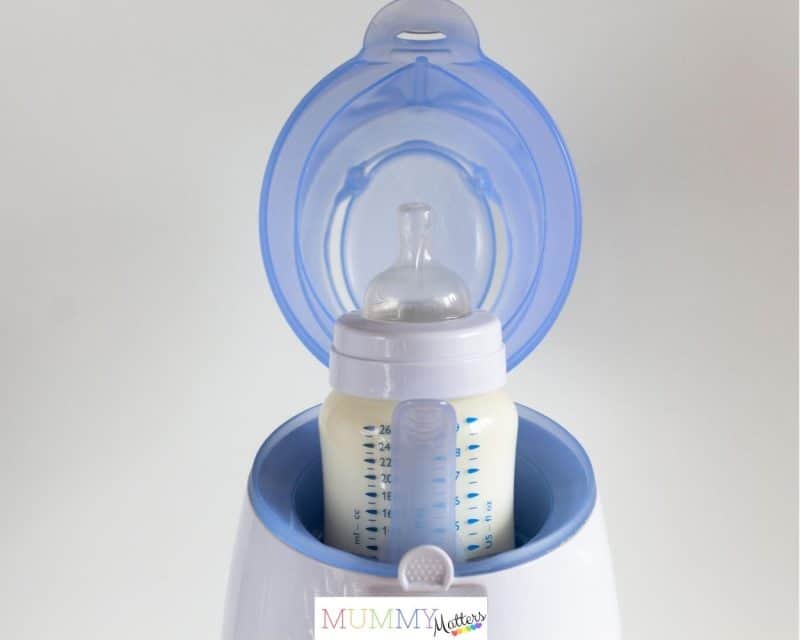
Many babies are perfectly happy drinking milk straight from the fridge, while others prefer it warmed slightly.
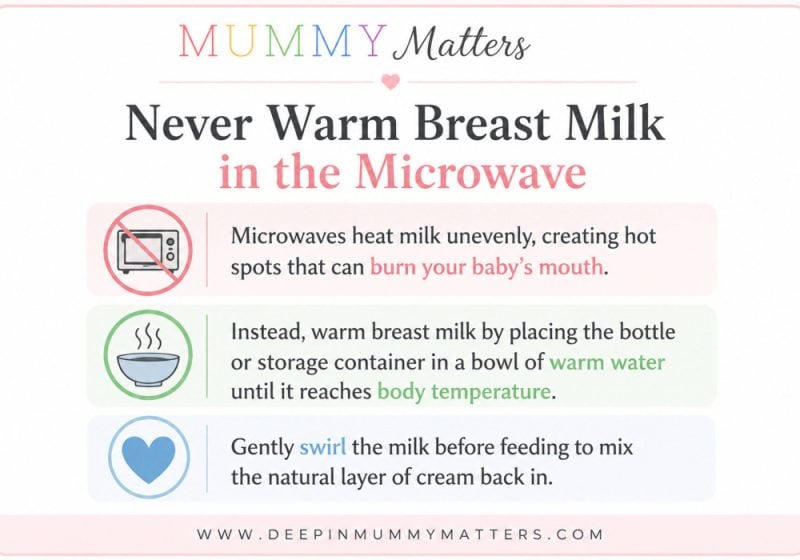
If you decide to warm the milk, place the bottle or storage container into warm water for a few minutes until it reaches approximately body temperature.
Before feeding:
- Swirl the milk gently to mix the natural layer of cream back in.
- Test a few drops on the inside of your wrist.
- It should feel lukewarm rather than hot.
Never use a microwave to warm breast milk.
Microwaves heat unevenly and can create dangerous hot spots that may burn your baby’s mouth. They can also affect some of the protective properties naturally found in breast milk.
What if my breast milk looks different?
This catches so many first-time parents by surprise.
Stored breast milk often separates into layers, with a creamy layer sitting on top and thinner milk underneath.
This is completely normal.
Simply swirl the container gently before feeding. Avoid vigorous shaking, as gentler mixing is recommended.
You might also notice that frozen milk smells slightly different once thawed. That’s often due to an enzyme called lipase and doesn’t necessarily mean the milk has gone off.
When should breast milk be thrown away?
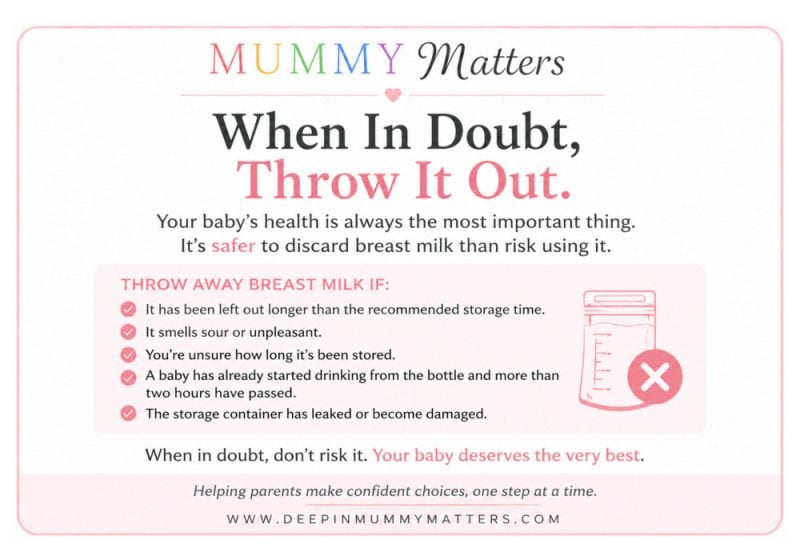
Although breast milk is remarkably resilient, there are times when it’s safest not to use it.
Discard milk if:
- It has been left out longer than the recommended storage time.
- It smells sour or unpleasant.
- You’re unsure how long it’s been stored.
- A baby has already started drinking from the bottle and more than two hours have passed.
- The storage container has leaked or become damaged.
When in doubt, it’s always safer to discard the milk than risk feeding spoiled milk to your baby.
Don’t forget to plan for yourself, too
One lesson I learned the hard way was that it isn’t just your baby who needs planning for when you’re spending time apart.
I still remember the first full day I spent away from Lillie when she was a baby. My mum was looking after her while I enjoyed a day trip to London and an afternoon at the theatre. I’d carefully left enough expressed milk for Lillie, but I’d completely forgotten that my body would carry on producing milk all day.
As I sat watching the show, I could feel my breasts getting fuller and fuller. Before long, they were painfully engorged and leaking through my clothes. During the interval, I had to rush to the toilets to hand express some milk just to relieve the pressure.
What upset me most wasn’t the leaking—it was watching all that breast milk disappear down the sink. I remember standing there in tears because it felt like I was wasting something I’d worked so hard to produce.
Looking back, I realise it was simply part of learning to breastfeed. If I’d known then what I know now, I’d have packed a small hand pump, breast pads and a cool bag, or planned somewhere private where I could express and safely store my milk during the day.
If you’re planning your first day away from your baby, don’t just think about leaving enough milk for them—remember to make a plan for yourself too.
Returning to work while breastfeeding
Heading back to work doesn’t have to mean the end of your breastfeeding journey.
Many mums continue to breastfeed before and after work while expressing milk during the day.
A little planning can make things much easier.
Before returning to work
Try to:
- Build a small freezer supply a few weeks beforehand.
- Introduce expressed milk gradually if someone else will be feeding your baby.
- Practise using your breast pump before your first day back.
- Invest in an insulated cool bag with ice packs for transporting milk home safely.
- Discuss expressing breaks with your employer before returning.
Remember, you don’t need a freezer full of milk. Having enough for the next day is often all that’s needed.
Tips for protecting your milk supply
One of the biggest worries many breastfeeding mums have is whether expressing will reduce their milk supply.
In fact, breast milk production works on supply and demand.
The more milk that is removed from your breasts, either through breastfeeding or expressing, the more milk your body is encouraged to make.
If you’re hoping to increase your milk supply, try to:
- Feed your baby responsively.
- Express after feeds if recommended by your midwife or health visitor.
- Stay hydrated.
- Eat regular, balanced meals.
- Rest whenever you can (easier said than done, I know!).
- Check that your pump flange fits correctly.
Don’t panic if you express less than expected. Babies are usually much more efficient at removing milk than a pump, so the amount you express isn’t always a true reflection of how much milk you’re producing.
Common breast milk storage mistakes to avoid
Even experienced parents can make the odd mistake. Here are some of the most common ones:
- Forgetting to label milk with the date.
- Overfilling storage bags before freezing.
- Warming milk in the microwave.
- Refreezing thawed milk.
- Storing milk in the fridge door, where temperatures fluctuate.
- Freezing very large portions that may go to waste.
- Using ordinary food bags instead of breast milk storage bags.
- Not cleaning and sterilising pump parts properly.
Fortunately, these are all easy to avoid once you know what to look out for.
Personal tip
One thing that worked well for me was treating my freezer stash as a backup rather than a goal. It’s easy to see social media posts showing freezers packed with bags of milk, but that’s not the reality for most families.
A small supply that gives you flexibility is often far more practical than feeling under pressure to express every spare minute. Every drop of breast milk is valuable, and whether you store one bottle or one hundred, you’re doing an amazing job.
Frequently Asked Questions about Storing Breastmilk
Can I store freshly expressed breast milk with chilled milk?
Yes, but allow the freshly expressed milk to cool in the fridge first before combining it with milk that’s already chilled. This helps keep the stored milk at a safe temperature.
Can I refreeze thawed breast milk?
No. Once breast milk has been fully thawed, it shouldn’t be frozen again. If you’ve thawed it in the fridge, use it within 24 hours.
Why has my breast milk separated in the fridge?
This is completely normal. The fat naturally rises to the top while the watery part settles underneath. Gently swirl the container to mix it back together before feeding your baby.
Can babies drink cold breast milk?
Yes. Some babies are perfectly happy drinking breast milk straight from the fridge, while others prefer it warmed to body temperature. Both are safe, provided the milk has been stored correctly.
How can I tell if breast milk has gone bad?
If the milk smells sour, has been stored for longer than the recommended time, or you’re unsure how it has been handled, it’s safest to throw it away. When in doubt, don’t risk using it.
When should I ask for breastfeeding support?
If you’re worried about your milk supply, your baby isn’t gaining weight as expected, expressing is painful, or you’re struggling with breastfeeding, speak to your health visitor, midwife, GP or a qualified breastfeeding supporter. Getting help early can often make a huge difference.
Final thoughts
Learning how to store breast milk safely can feel like one more thing to remember during those already overwhelming early weeks of parenthood.
The good news is that once you’ve got into a routine, it soon becomes second nature.
Whether you’re expressing occasionally for a date night, preparing for your return to work or building a small emergency supply, following safe storage guidelines means you’ll always know your baby is receiving your milk safely.
And remember, breastfeeding isn’t all or nothing. Some families exclusively breastfeed, some express regularly, and many do a combination of both. What matters most is finding a routine that works for you and your baby.
If things don’t always go to plan, try not to be too hard on yourself. Parenting is full of learning curves, and every feed, every cuddle and every ounce of love you give your baby matters far more than a perfectly stocked freezer.