
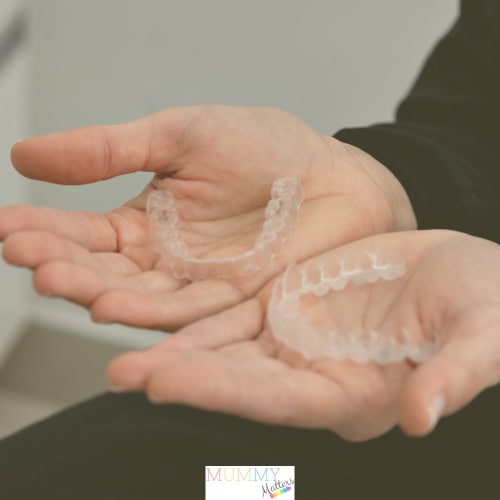
Investing in orthodontic treatment is one of the most impactful decisions an individual can make to improve their personal confidence, social comfort, and overall long-term oral health. For millennial and Gen Z consumers, everyday savers, and parents funding an older teenager’s smile transformation, the desire for a straight smile is clear, yet the perceived financial barrier can often cause hesitation. Fortunately, modern clinical payment models have evolved dramatically to align with contemporary personal finance habits, allowing patients to Learn more about clear aligners cost through a positive, flexible financial framework that seamlessly integrates into a standard household budget without placing any strain on daily lifestyle spending. Many people look at the total price tag of modern clear aligner therapy and assume that such a premium cosmetic treatment is completely out of reach for their current lifestyle. This line of thinking stems from an outdated approach to healthcare spending, where patients assume that medical bills must always be paid as a massive, single upfront lump sum. By utilizing a strategic mix of private health insurance claims, upfront deposit matching, and contemporary zero-interest payment installment applications, anyone can secure an advanced orthodontic solution while keeping their weekly cash flow completely liquid and secure.

To maximize your purchasing power and lower your baseline out-of-pocket expenses, you must look at dental financing as an exercise in cash flow optimization rather than simple debt management. The primary goal is to spread the cost of your treatment across a timeline that mirrors your regular income cycle, whether you are paid weekly, fortnightly, or monthly. When you break down a premium clear aligner treatment plan into micro-budgets, the daily cost often works out to be no more expensive than a standard specialty coffee and a morning snack. Achieving this level of financial predictability requires a systematic approach that starts with pulling levers within your private insurance policy before evaluating external payment structures.
Maximizing the Insurance Lever: Reducing Your Base Costs with Private Dental Rebates
The very first step in optimizing your clear aligner investment strategy is to conduct a thorough audit of your private health insurance policy to extract maximum value from your premiums. Many consumers pay for top-tier extras coverage for years without ever utilizing their major dental or orthodontic allocation, essentially leaving free money on the table.
Unlike general dental treatments like cleanings or simple fillings, orthodontic procedures are usually categorized under a specific lifelong limit or a separate major dental annual cap. Before booking your initial clinical assessment, contact your health insurance provider and request a precise breakdown of your dental extras. Ask specifically about your item numbers for clear aligner therapy, your current waiting periods, and the exact percentage of the fee that the fund covers. A high-quality private health insurance policy can frequently shave anywhere from a few hundred to several thousand dollars off the baseline treatment quote. This immediate reduction drops your principal balance right from the start, ensuring that your subsequent payment plan is calculated from the lowest possible starting point.
The In-House Sprint: Evaluating Short-Term 6-Month Interest-Free Structures
Once your private health insurance rebate has been calculated and subtracted from your overall treatment quote, you must choose the specific payment timeline that matches your personal saving style. The first primary model offered by leading orthodontic clinics is the short-term, in-house interest-free structure, which is ideal for individuals who want to clear their financial obligations quickly.
This in-house structure typically operates as a 6-month sprint, requiring a solid upfront down payment, often around 50% of the net cost, to cover the laboratory fabrication fees for your custom aligners. The remaining balance is then split evenly into automated monthly clearings over the next half-year, completely managed directly by the clinic’s administrative team. Because these plans are handled entirely in-house, they bypass external credit providers, meaning there are absolutely zero credit checks, zero administrative application fees, and zero hidden interest charges. For an everyday saver or a parent who has a comfortable cash buffer ready, this path allows you to pay off the entire smile transformation before your active treatment is even halfway complete, leaving you with zero financial obligations as you cruise toward your final results.
The Extended Horizon: 12-to-24 Month Flexible Financing for Maximum Liquidity
For younger consumers, young professionals, and households that prefer to keep their cash balances highly liquid and touchable, stretching the payment horizon across a 12-to-24 month timeline is the superior strategy. This approach relies on integrated third-party financing solutions and buy-now-pay-later networks like Humm, Afterpay, or Zip, which specialize in medical and cosmetic treatment financing.
These specialized financial platforms allow patients to begin their clear aligner journey with minimal or even zero down payment required on the day of fitting. The total balance is structured into small, bite-sized installments that distribute the cost evenly across a long timeline. By utilizing an extended interest-free contract, you can successfully map out a premium smile transformation into a tiny personal budget of just $30 to $60 a week. This micro-budgeting strategy ensures that your necessary medical investment never forces you to sacrifice your weekend social activities, delay your student loan payments, or cut back on your regular contributions to your high-interest personal savings accounts.
Analytical Breakdown: Comparing Short-Term In-House Plans vs. Extended Third-Party Financing
Reviewing the exact operational differences, deposit sizes, and structural benefits between short-term clinical payment systems and extended third-party financial platforms highlights how each model serves distinct personal budget styles.
- Upfront Capital Requirement: In-house sprint plans require a large down payment of around 50%, whereas extended financing options offer a zero-deposit framework.
- Payment Period Length: Short-term clinical models wrap up quickly within 6 months, while extended financing platforms stretch comfortably from 12 to 24 months.
- Weekly Impact on Cash Flow: In-house schedules demand higher monthly payments, whereas extended financing limits your weekly outlays to a small $30 to $60 a week bracket.
- Credit Check Requirements: Short-term plans feature an open internal approval process with no impact on credit files, while extended platforms utilize standard digital credit checks for buyer safety.
By carefully evaluating these structural differences, lifestyle-focused spenders can easily choose the precise financial path that maximizes their immediate banking comfort while their smile is actively straightened.
Automating the Smile Budget: Frictionless Savings and Cash Flow Discipline
No matter which payment duration you select, the key to successful, stress-free cash flow optimization lies in the complete automation of your personal banking architecture. Relying on manual bank transfers or calendar reminders to settle your medical payments introduces unnecessary friction and increases the risk of accidental late fees.
When setting up your clear aligner payment plan, link the automatic direct debits to settle on the exact morning your regular salary drops into your account. By aligning your treatment deductions directly with your income cycle, the funds move into your care plan before you ever have an opportunity to spend them on non-essential lifestyle purchases. This simple automated discipline turns your orthodontic care into a background process that operates silently in the financial background. You can monitor your smile transforming week by week through your custom trays, while your bank account self-regulates seamlessly, proving that premium cosmetic healthcare can be completely frictionless when paired with modern budgeting technology.
Conclusion: Investing in Your Future and Locking in Predictable Health Costs
Making the decision to align your teeth is an investment that yields immense personal dividends for the rest of your life, boosting your professional presence, personal relationships, and long-term dental health. Letting the initial total price tag of clear aligners prevent you from achieving your goals is entirely unnecessary in today’s flexible consumer finance environment.
By looking at your care plan through the lens of cash flow optimization, you can break down the old barriers to premium dental care. Utilizing private health insurance dental rebates allows you to drop your base costs immediately, short-term in-house plans help you clear your balance rapidly, and extended 12-to-24 month payment structures turn premium treatment into a minor weekly bill. Take full charge of your clinical financial strategy, select the payment model that protects your monthly cash flow, and begin your smile transformation today with the total confidence that your financial health is just as secure as your future smile.
Steven Lagrimas is a freelance writer specializing in STEM, business, health, politics, and the social sciences. His work explores the intersection of society, governance, innovation, and emerging global trends shaping communities and industries today.