
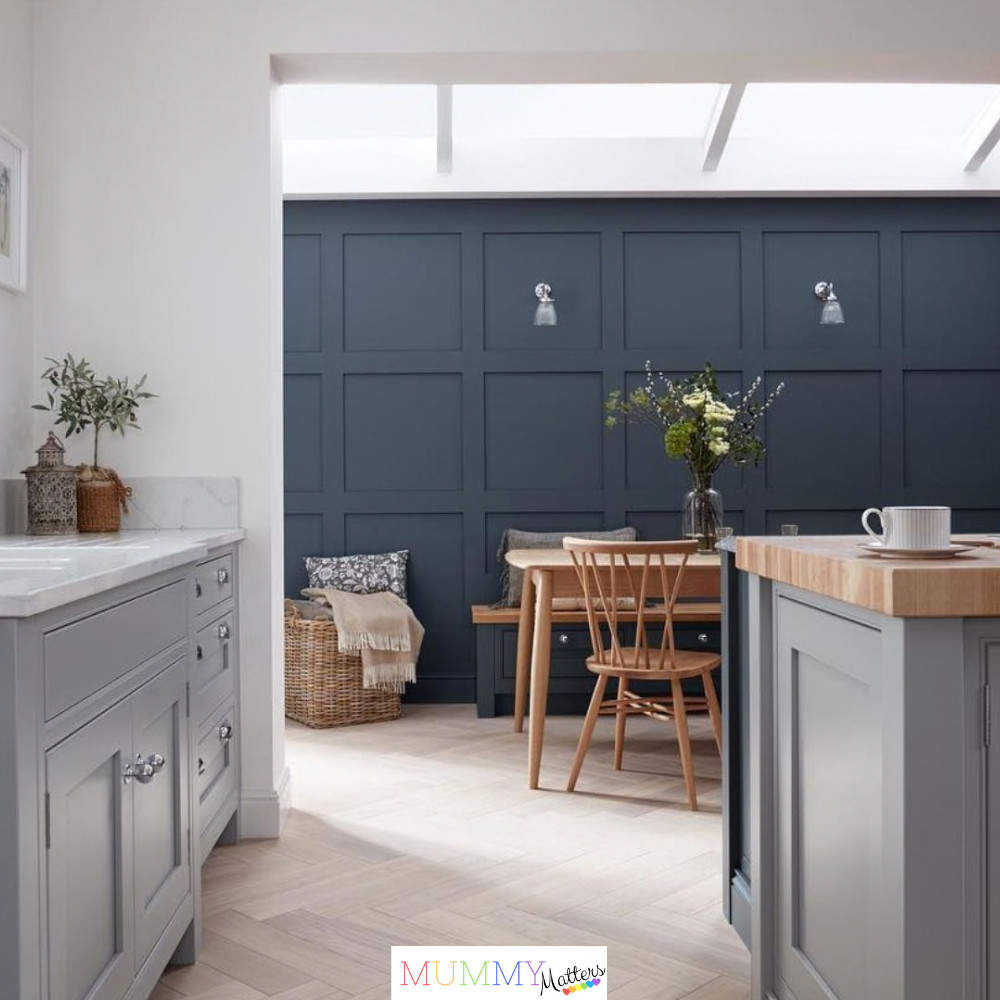
A family kitchen has to do far more than provide somewhere to cook. It can be a breakfast station in the morning, a homework space in the afternoon and somewhere to gather for dinner in the evening.
The challenge is designing a room that works now while still being practical as family life changes. These family kitchen ideas can help you create a space that feels organised, flexible and easy to live with.
Start With Your Daily Routine
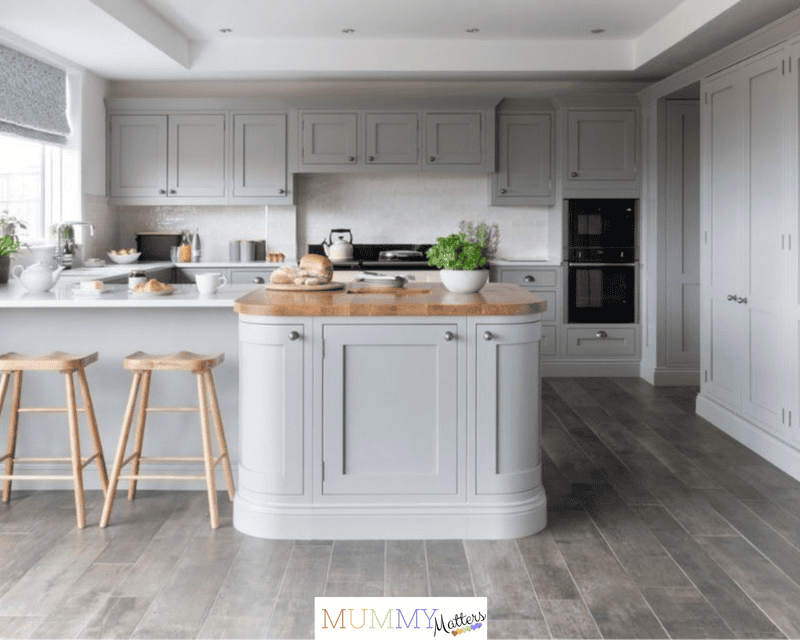
Before choosing colours, cabinets or worktops, think about how your family actually uses the kitchen.
Does everyone make breakfast at the same time? Do children do homework at the table? Does someone regularly work from home? Where do school bags, post and chargers tend to end up?
These habits should influence the layout. An island may be useful for preparation, storage and seating, but only if there is enough room to move around it comfortably. In a smaller space, a peninsula or dining table may work better.
A good family kitchen design should make everyday routines easier.
Balance Trends With Longevity
Kitchen trends can provide useful inspiration, but it is worth separating long-term choices from easy updates.
Cabinetry, worktops, flooring, plumbing and electrical points are expensive to change. Paint, handles, stools and accessories are much easier to update.
Looking through current kitchen design trends can help you identify colours, materials and features you like. The key is deciding which ideas suit your home and family well enough to live with for years. If you’re planning a new kitchen, working with a local kitchen company such as Parker Kitchens can help you plan the layout, cabinetry and appliances together.
Create Practical Zones
Busy kitchens work better when related tasks are grouped together.
A breakfast area could keep cereal, bowls, bread and the toaster close by. Mugs can sit near the kettle or coffee machine, while crockery positioned near the dishwasher can make unloading quicker.
The same applies to cooking. Keeping pans, utensils and preparation space near the hob can reduce unnecessary movement around the room.
These zones do not need physical boundaries. They simply make the kitchen more intuitive to use.
Make Storage Work Harder
Storage is one of the most important parts of a family kitchen.
Lunch boxes, reusable bottles, pans, food containers, baking equipment and small appliances can quickly fill cupboards. Rather than simply adding more cabinets, think about what needs to be stored and where it is most useful.
Deep drawers can make pans easier to reach, while tall larder cupboards can maximise vertical space. Pull-out storage can also prevent food and smaller items disappearing at the back of cupboards.
It can also help to plan for items that are not traditionally stored in a kitchen. A drawer for chargers, somewhere for school bags or bench seating with hidden storage can help keep clutter under control.
Plan for the Future
Family life changes quickly, so avoid designing the kitchen too specifically around one stage.
Features that work for young children should ideally remain useful later. A breakfast bar may initially be somewhere children eat while dinner is prepared, but in a few years it could become a homework station or somewhere teenagers sit with friends.
Flexible seating and open-plan layouts can make it easier for the space to adapt without needing major changes.
Think About Seating and Power

Family kitchens often need to support more than one activity at a time.
An island or peninsula can provide casual seating, while a dining table may be better for longer meals. Built-in seating can also work well where space is limited.
Power points deserve just as much attention. Phones, tablets and laptops often end up in the kitchen, especially when the room doubles as a work or homework space. Planning sockets early can help avoid trailing extension leads later.
Choose Materials for Real Life
A family kitchen needs to cope with spills, fingerprints and regular cleaning.
Look for finishes that are easy to maintain and flooring that can handle heavy foot traffic. Worktops should also suit the way you cook and how much maintenance you are prepared to do.
Samples are useful. Seeing materials in your own home can help you judge how they look and how easily they mark.
Design Around Your Family
The best family kitchen ideas are usually the ones that solve everyday problems.
Think about where clutter gathers, which cupboards are always full and where everyone naturally spends time. Those details can guide decisions around layout, storage, seating and lighting. Family routines will change, but a well-planned kitchen can change with them.
If you are planning a new kitchen and want help turning your ideas into a practical layout, speaking to an experienced kitchen designer can be a useful next step. They can help you make the most of the available space, plan storage around your routines and create a kitchen that works for your family now and in the years ahead.