

If you’ve ever found yourself standing in the middle of a meltdown wondering “why is this happening?” — you’re absolutely not alone. Helping children manage their emotions can feel overwhelming, especially when their reactions seem so big compared to the situation.
Understanding emotional regulation tools by age can make a huge difference. When we know what’s realistic for each stage of emotional development, it becomes much easier to support our children in a calm, confident way.
In this guide, I’ll walk you through age-appropriate emotional regulation strategies, from babies to teens — with simple, realistic ideas you can actually use in everyday family life.
What is Emotional Regulation? (Simple Definition)
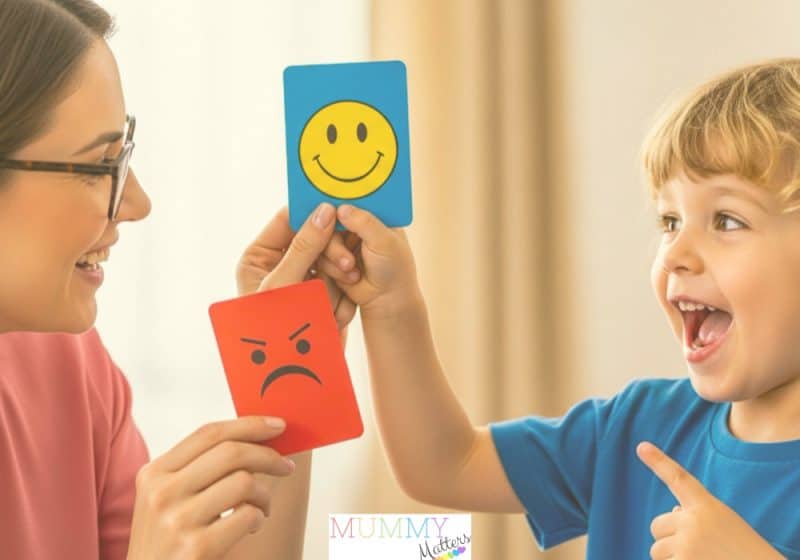
Emotional regulation is a child’s ability to:
- Recognise their emotion
- Understand what they are feeling
- Manage their emotional reactions
- Express their emotions appropriately
Young children aren’t born knowing how to regulate their emotions — it’s something they develop gradually with guidance, patience and consistency.
In the early years, children rely heavily on us as parents to help them calm down. Over time, they begin to self-regulate, using tools and coping strategies they’ve learned.
Why Emotional Regulation Matters for Children
Strong emotional regulation skills help children:
- Cope with difficult emotions like anger, frustration and anxiety
- Reduce meltdowns and emotional outbursts
- Build self-control and independence
- Navigate friendships and social situations
- Support long-term mental health and wellbeing
When children struggle with dysregulation, you might notice:
- Frequent tantrums or emotional overwhelm
- Difficulty calming down after being upset
- Impulsive behaviour
- Avoid situations that make them feel anxious
This isn’t “bad behaviour” — it’s a sign they need support to manage their emotions.
Emotional Regulation Tools by Age (Age-by-Age Guide)

Babies (0–12 months): Co-Regulation Comes First
At this stage, babies cannot regulate their emotions at all. Their brain is still developing, and they rely completely on caregivers.
What helps:
- Skin-to-skin contact and cuddling
- Gentle rocking or rhythmic movement
- Responding quickly to distress
- A calm, soothing voice
These experiences help shape the brain and lay the foundation for future emotional development.
External support: The NHS offers helpful guidance on responsive parenting and bonding.
Toddlers (1–3 years): Big Feelings, Little Control

This is the age of tantrums — and for good reason. Toddlers feel emotions like anger and frustration intensely but lack the skills to cope.
Try these tools:
- Name the feeling: “I can see you’re feeling upset”
- Offer simple choices to reduce overwhelm
- Use distraction or redirection
- Create a calm-down space
At this stage, your role is modeling calm behaviour and helping them recognise their emotions.
Preschoolers (3–5 years): Learning to Self-Soothe
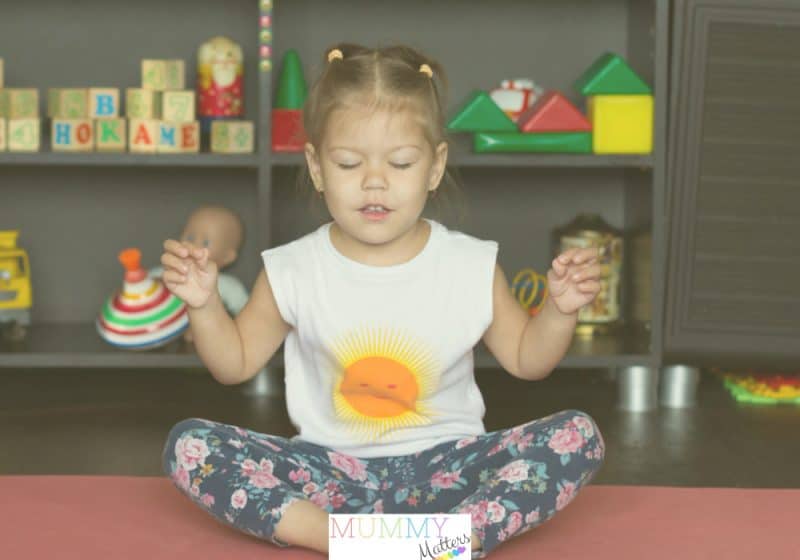
Children begin to develop early self-soothing skills but still need support.
Helpful strategies:
- Breathing exercises (e.g. “smell the flower, blow the candle”)
- Storytelling to explore emotions
- Visual emotion charts
- Role play to practise responses
This is a great age to introduce mindfulness in a playful, simple way.
Primary School Age (6–10 years): Building Regulation Skills

At this stage, children are better able to understand emotions but may still struggle to manage them in challenging situations.
Effective tools:
- Journaling or drawing feelings
- Problem-solving together
- Teaching coping strategies (counting, stepping away)
- Encouraging physical activity to release emotion
Children are learning to manage their emotions independently, but still need gentle guidance.
YoungMinds provides excellent resources for parents.
Tweens & Teens (11+): Emotional Awareness & Independence

Teenagers experience intense emotional changes due to hormones, social pressures and brain development.
They are more capable of self-awareness, but may still feel overwhelmed.
Support them by:
- Listening without judgement
- Encouraging open conversations
- Teaching stress-management techniques
- Supporting healthy routines (sleep, exercise, screen balance)
This is also when anxiety, mood swings and emotional overwhelm may become more noticeable.
Trusted information: Mind offers guidance on supporting young people’s mental health.
Practical Emotional Regulation Techniques That Work at Any Age
No matter your child’s age, these strategies can help regulate their emotions:
- Pause and connect first before correcting behaviour
- Use simple breathing techniques
- Create predictable routines for security
- Encourage children to express their emotions safely
- Stay calm — your reaction sets the tone
Consistency and patience are key. Emotional regulation is not learned overnight.
When Should Parents Be Concerned?

It’s normal for children to struggle with emotions, but you may want to seek additional support if:
- Emotional outbursts are extreme or frequent
- Your child cannot calm down without help
- Anxiety is affecting daily life
- They avoid situations due to emotional distress
- There are signs of ongoing dysregulation
Speaking to a GP, school or mental health support service can help you find the right guidance.
FAQs About Emotional Regulation in Children
What is emotional regulation in simple terms?
It’s the ability to understand and manage emotions in a healthy, appropriate way.
At what age do children learn to regulate emotions?
Children begin learning from infancy but develop stronger emotional regulation skills throughout childhood and into adolescence.
How can I help my child regulate their emotions?
Model calm behaviour, name emotions, and teach simple coping strategies like breathing or taking a break.
Why does my child have so many emotional outbursts?
They may not yet have the skills to cope with big feelings like anger or frustration — this is part of normal development.
When should I seek help for my child’s emotions?
If emotions are impacting daily life, relationships or wellbeing, it’s worth seeking professional support.
Conclusion
Helping children develop emotional regulation isn’t about stopping big feelings — it’s about teaching them how to cope with them.
Some days will feel easier than others (and some will feel anything but calm), but every time you respond with patience and understanding, you’re helping your child build lifelong skills.
And honestly? That’s one of the most important things we can do as parents.