
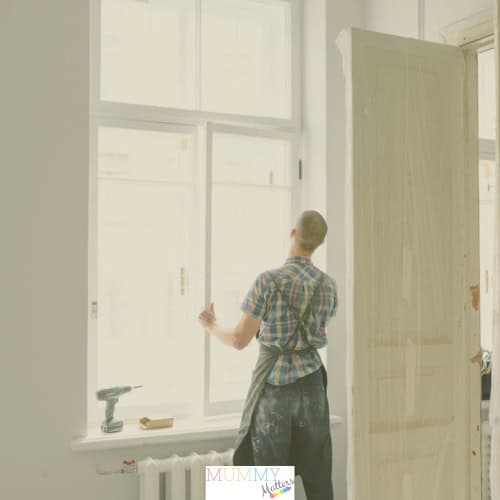
Ever watched a five-minute YouTube tutorial and thought, “I’ve totally got this,” only to end up knee-deep in tools, regret, and a half-disassembled toilet?
You’re in good company. The rise of DIY culture—fueled by TikTok hacks, influencer-renovators, and a surge in pandemic-era home projects—has convinced homeowners everywhere that they’re just one trip to the hardware store away from mastering plumbing, wiring, and drywall repair. In this blog, we will share common repairs that homeowners should avoid doing, no matter how confident they feel with a wrench.
Not all damage is visible—and water always wins

It usually starts small. A musty smell near the baseboard, a discolored patch on the ceiling, or the subtle squish of wood underfoot. Many homeowners see a little water damage and assume a towel, fan, and coat of primer will fix it. The problem is, water doesn’t just leave a mark. It seeps into layers, creeps through hidden spaces, and triggers mold long before you smell it. And once mold sets in, it doesn’t politely stop behind the wall—it spreads, quietly and steadily.
This is where professionals make the difference. A good water damage restoration company doesn’t just dry out what’s visible. They use moisture meters, thermal imaging, and industrial-grade equipment to track what your eyes can’t see. They know how to remove materials safely, prevent microbial growth, and restore the space without compromising structure. Trying to handle it solo risks missing something crucial—and by the time it shows up again, you’re looking at a much bigger, more expensive mess. There’s a reason insurers trust licensed teams with this work. It’s less about convenience and more about liability.
A well-handled restoration job protects more than your floors. It protects your air, your structure, and your long-term property value.
Leave electrical work to people who don’t flinch at sparks
Electrical repairs are the perfect storm of overconfidence and underestimation. Swapping out a light fixture? Fine—assuming the wiring is up to code and you remembered to turn off the correct breaker. But anything more complex—installing new outlets, rerouting circuits, or upgrading panels—should not be on your DIY to-do list.
Electricity doesn’t care if you’re careful. It doesn’t care how many videos you watched. If wiring is overloaded, improperly grounded, or poorly connected, it becomes a fire hazard sitting quietly behind your drywall. And modern homes aren’t the only risk. Older homes, especially those built before the 1980s, often come with outdated or non-compliant electrical systems that require upgrades to meet safety standards.
Even if it seems like everything’s working fine after your repair, a loose connection or mismatched wire type can cause arcing, which generates heat—sometimes enough to start a fire. Professional electricians carry liability insurance, use voltage testers most homeowners don’t even own, and understand how your entire system fits together. It’s not just about flipping a switch. It’s about making sure it keeps flipping for years without setting anything on fire.
Gas lines are not your weekend project
Every once in a while, a brave soul decides they’re going to install their own gas stove or move a dryer. They’ve watched a tutorial. They’ve Googled the code requirements. Maybe they’ve even turned off the main valve and wrapped the fittings with tape. And still, this is one of the fastest ways to put your house—and your neighbors—in danger.
Gas line work is exacting, highly regulated, and unforgiving. Even a small leak can lead to carbon monoxide poisoning or an explosion. Natural gas is odorless, which is why utilities add a sulfur-like smell to alert you. But relying on your nose is a terrible safety net. Professional plumbers and HVAC technicians use proper pressure testing, detectors, and sealing techniques. They also know local regulations, which often require permits and inspections for gas-related work.
If there’s any repair that should be left entirely in the hands of trained professionals, it’s this one. Nothing says “bad idea” like trying to save a couple hundred dollars on a job that could literally blow up.
Structural fixes require more than a sledgehammer
Removing a wall to “open up the space” seems harmless enough, until you realize halfway through that the wall you’re knocking down holds up your ceiling. Structural repairs or modifications should never be based on guesswork, even if you’ve seen diagrams online. The reality is, most homeowners don’t know how to read load paths, check for joist alignment, or verify that the beam they bought from the hardware store can actually support the span they’re creating.
Worse, even if the house doesn’t collapse right away, poor structural modifications can shift weight unevenly, causing cracks, floor dips, and long-term damage. Engineers and licensed contractors do more than swing hammers. They calculate, test, and reinforce based on how the building moves, not just how it looks on paper.
If your renovation vision involves tearing something out, building something in, or changing how the weight flows, don’t trust your instincts. Bring in someone who knows the math.
Drywall and paint? Sure. But mold? No.
People love to think they can handle mold. They spray bleach on the spot, scrub it, and pat themselves on the back. What they don’t realize is that surface mold is often the least of their problems. Real mold issues start behind walls, under floors, and in insulation. And once it takes hold, cleaning the visible part does almost nothing to stop it from spreading.
Trying to DIY mold remediation without containment equipment, air filtration, and proper disposal can make things worse. Spores get released into the air and settle elsewhere. It’s not just about cleaning—it’s about control. Certified mold remediators follow protocols to isolate the area, prevent cross-contamination, and verify air quality after treatment.
When you cut corners with mold, you’re not solving a problem. You’re kicking it further down the hall.
The broader reality: Just because you can doesn’t mean you should
The current wave of DIY enthusiasm has been great for building confidence and reducing dependence on overpriced contractors. But it’s also created a false sense of mastery around complex systems. Watching someone explain something online and doing it under pressure with your property on the line are two very different things.
There’s nothing wrong with painting your walls, hanging shelves, or building a fence. But when repairs affect safety, health, structure, or insurance liability, the best tool you can wield is your phone—by calling in a pro.
In a time when people are trying to make their homes work harder, function longer, and feel safer, knowing your limits is part of responsible ownership. The most cost-effective repair is the one that doesn’t need to be redone. The smartest DIYers aren’t the ones doing everything themselves—they’re the ones who know when to step back and let the experts take over.