

Most homes have at least one space that is difficult to furnish. It might be an alcove beside the fireplace, a bay window that never quite gets used properly, an unusually shaped living room or a dining area where standard furniture always seems either too big or too small. Bespoke furniture can offer a practical solution when off-the-shelf pieces simply don’t work with the space you have.
We have certainly found over the years that the dimensions of a room don’t always correspond conveniently with the furniture available in shops. You can find a sofa you love, only to discover that it sticks out too far into the room, or a dining bench that would be perfect if it were just 20cm shorter.
This is where bespoke furniture can be particularly useful. Rather than trying to make your room accommodate a standard piece of furniture, you can turn the process around and choose furniture designed around the space you actually have.
Why Awkward Spaces Are So Difficult to Furnish
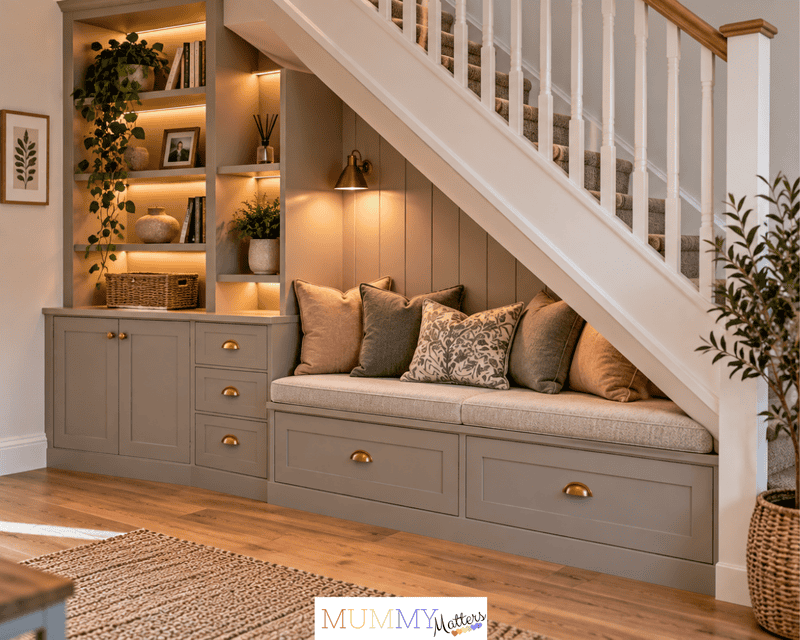
Modern homes aren’t necessarily made up of neat rectangular rooms. Chimney breasts create alcoves, bay windows change the shape of living rooms and extensions can leave you with unusual corners or open-plan spaces that need to perform several different functions.
Older properties bring their own challenges, with uneven walls, unusual room proportions and architectural features that you probably don’t want to hide.
Even relatively straightforward rooms can be difficult when you start considering how your family actually needs to use them.
A sofa may technically fit along a wall, for example, but if it blocks a doorway or leaves too little room to walk around the coffee table, it isn’t really the right size for the room.
Before buying anything new, it is worth looking beyond whether a piece of furniture will simply fit and thinking about how it will affect the flow and everyday use of the space.
Start by Looking at the Space Differently
When a particular area of your home isn’t working, our first instinct is often to start shopping for something to fill it. Instead, spend a little time thinking about what you actually want that part of the room to do.
Could an unused bay window become somewhere to sit and read? Could an empty corner provide additional seating? Would a large sofa work better as a smaller sofa with a chaise, or could a dining table be paired with a fitted or made-to-measure bench rather than individual chairs?
Thinking about function first can open up possibilities that aren’t immediately obvious when you’re simply browsing furniture online. One of the advantages of bespoke furniture is that you can start with what you need the space to do, rather than being restricted by standard sizes and configurations.
It can also prevent you from adding furniture just because there happens to be an empty space. Not every corner needs filling, particularly in a busy family home where having enough room to move around comfortably can be just as valuable.
Make More of Alcoves
Alcoves are one of the most obvious examples of potentially useful space that can be surprisingly difficult to furnish.
Standard cabinets and shelving units rarely fit perfectly, which can leave narrow gaps at either side or result in furniture protruding beyond the chimney breast.
Built-in shelving and cupboards are an obvious solution if storage is the priority. However, an alcove can also become part of a seating area, reading corner or home-working space depending on its position and dimensions.
The important thing is to measure carefully rather than assuming both sides of a fireplace are identical. Walls aren’t always perfectly straight, particularly in older properties, so measurements should be taken at several points.
Turn a Bay Window into Usable Living Space
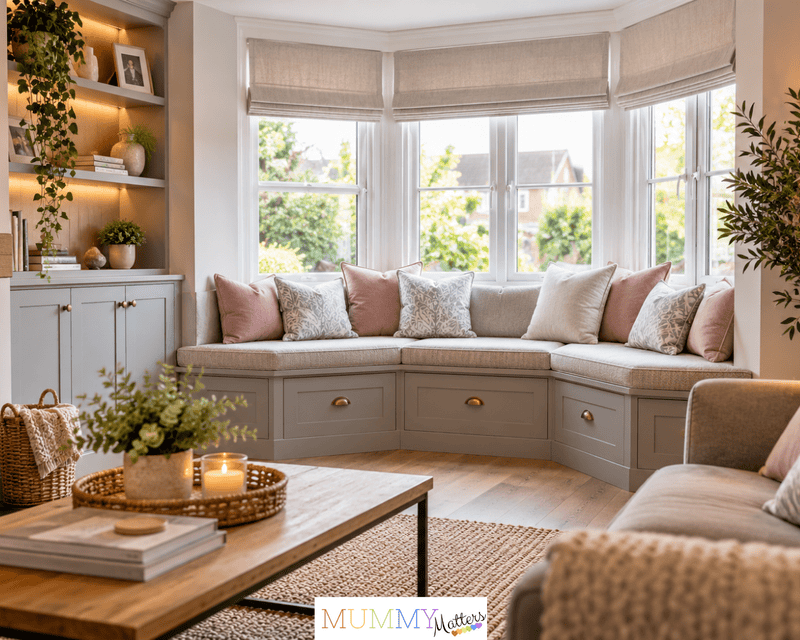
I love bay windows because they bring so much character and natural light into a room, but they can also be frustrating when it comes to furniture.
Put a large piece of furniture directly in front of one and you risk losing some of the feature that makes the room special. Leave it completely empty and you can end up with a sizeable area of floor space that doesn’t really serve a purpose.
A window seat or banquette-style bench can work beautifully here, creating somewhere to sit without overwhelming the window itself. Depending on the design, storage can sometimes be incorporated underneath too. Making better use of overlooked areas like this is one of several smart home upgrades that can improve comfort and functionality without necessarily needing to add more space.
In a kitchen or dining space, a bay can also provide an opportunity for bench seating around a table. Instead of needing clearance around several dining chairs, seating can follow the shape of the wall and make better use of the available footprint.
Add cushions and upholstery that complement the rest of the room and what was once an awkward architectural feature can become one of its most inviting areas.
Consider Made-to-Measure Seating
Sofas are probably one of the biggest compromises we make when furnishing a living room.
We tend to shop according to standard two-seater, three-seater and corner-sofa dimensions, even though our living rooms haven’t been designed according to those same measurements.
If you’re struggling to find something that fits properly, made-to-measure furniture gives you greater flexibility over dimensions, style and upholstery. Rather than settling for a sofa that is slightly too large or leaving an unnecessarily large gap because the next size up won’t fit, the piece can be designed with the proportions of the room in mind.
This can be especially useful in smaller living rooms, extensions and open-plan family spaces where a few centimetres can make a surprising difference to how easily you can move around.
It’s also worth thinking about the configuration rather than size alone. A chaise, corner section or differently proportioned sofa may make much better use of your available floor space than simply placing a traditional three-seater against the longest wall.
Use Furniture to Zone an Open-Plan Room
Open-plan family living can look wonderfully spacious, but creating a room that works as a kitchen, dining area and living room isn’t always straightforward.
Without walls to define each area, furniture has to do much of the work. There are several ways to design an open-plan space so that each area feels distinct while the room still works as a whole.
A sofa can create a natural boundary between a living area and kitchen, while banquette seating can help establish a dining zone without needing additional walls or partitions.
This is another situation where proportions matter. Oversized furniture can quickly dominate an open-plan room, while furniture that is too small can make everything feel disconnected.
Before choosing anything, consider the routes people regularly take through the space. You don’t want someone walking between the sofa and television every time they go into the kitchen, or dining chairs constantly being pulled into a busy walkway.
The aim should be to create distinct areas while still allowing the room to feel connected.
Don’t Automatically Replace Furniture That No Longer Works
Sometimes the solution isn’t buying an entirely new piece of furniture.
If you already own a good-quality sofa, chair or dining bench that you love, reupholstering it can give it a completely different appearance and potentially extend its useful life.
This is particularly worth considering when the proportions of the furniture already suit your room.
Changing the fabric can help an older piece work with a new colour scheme, while replacing worn fillings or upholstery can refresh seating that has seen years of family life.
It also gives you the opportunity to choose a fabric better suited to how your household lives now.
Choose Upholstery for Real Family Life
There is a big difference between choosing a fabric because it looks beautiful on a sample and choosing one that has to survive children, pets, snacks and everyday family life.
Before deciding on upholstery, think about where the furniture will sit and how often it will be used.
A sofa in the main family living room is going to need to work considerably harder than an occasional chair in a bedroom.
Look at durability as well as appearance and ask about the suitability of a particular fabric for heavy domestic use. If you have young children or pets, ease of cleaning is likely to be high on the priority list too.
Colour is worth considering practically as well. Very pale upholstery can look stunning, but you need to be realistic about whether you’ll spend your life worrying about every muddy paw, drink or chocolate-covered hand that goes near it.
At the other end of the scale, very dark fabrics aren’t necessarily maintenance-free either, particularly if you have a light-haired pet!
The best choice is the one that suits both your home and the people living in it.
Measure More Than the Available Gap
One of the biggest mistakes you can make when ordering furniture is measuring only the space where you want it to end up.
You also need to consider how it is going to get there.
Measure doorways, hallways, staircases and any particularly tight corners between the entrance to your home and the final room. If access is difficult, discuss this before ordering rather than discovering the problem on delivery day.
Within the room itself, mark out the proposed dimensions on the floor. Masking tape is useful for this because it allows you to see how much floor area the furniture will occupy.
Then live with those markings for a day or two.
Can everyone still walk through the room comfortably? Can doors open fully? Can you reach cupboards? Is there enough room to pull dining chairs out?
Seeing the footprint on the floor often gives you a much clearer idea of scale than measurements written on a piece of paper.
Think About How Your Needs Might Change
Bespoke doesn’t have to mean designing something for one very specific moment in your life.
In fact, the best furniture should continue to work as your household changes.
A dining bench that provides extra seating when the children have friends over might later become useful when you’re entertaining a larger group of adults. A generously sized corner sofa can work for family film nights now and still provide plenty of comfortable seating when teenagers become young adults and start bringing partners and friends home.
Try to distinguish between problems that are temporary and those created by the actual architecture of your home.
Designing around a bay window or unusually sized room makes sense because those dimensions aren’t going anywhere. Designing an expensive piece around a very short-lived need may require a little more thought.
Bespoke Doesn’t Mean Every Piece Has to Match
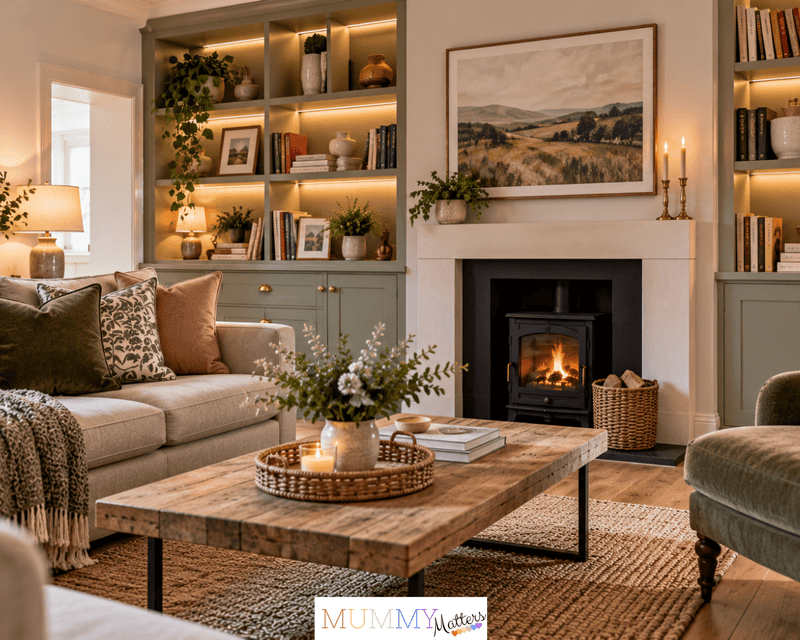
One of the nicest things about creating a home over time is that it develops character.
You don’t need every sofa, chair, footstool and dining seat to come from the same collection.
A bespoke piece can be designed to complement furniture you already own rather than replacing everything at once. Picking up an existing colour, fabric texture, wood finish or design detail can help new and old furniture sit comfortably together.
This is particularly useful if you have inherited furniture or pieces with sentimental value that you want to keep.
A home usually feels far more personal when it reflects the people who live there rather than looking as though the entire contents were purchased from one showroom in a single afternoon.
Is Bespoke Furniture Worth Considering?
Bespoke furniture won’t be necessary for every room or every budget. If you’re considering having something made specifically for your home, there are a few things to consider when buying custom-made furniture before making the investment.
There are plenty of situations where a standard piece of furniture will fit perfectly well, and there is little point paying for customisation you don’t actually need.
Where it becomes particularly useful is when you find yourself repeatedly compromising because of the dimensions or layout of your home.
If every sofa you look at is slightly too long, the bay window is being wasted because nothing fits it properly or your dining area could work much harder with a different seating arrangement, having something made to suit the space can be worth exploring.
Instead of asking, “How can I make this furniture fit my room?”, you can start with a much more useful question:
“What furniture would make this room work better for us?”
That small change in thinking can make awkward spaces feel much less awkward and help you get far more from the home you already have.