
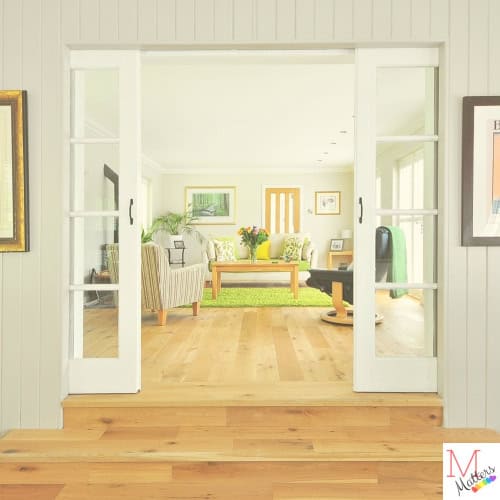
A home does not need a complete renovation to become more comfortable, efficient or attractive. Often, the most worthwhile changes are those that solve an everyday problem, whether that means stopping cold draughts, creating more storage or making the property easier to move around.
Thoughtfully planned home upgrades can boost comfort and property value. However, that does not mean every project will deliver the same financial return. The effect will depend on the property’s age, condition, location and the quality of the work. It is therefore sensible to prioritise improvements that will make life easier for your household now, rather than concentrating solely on what a future buyer might want.
Which Home Upgrade Should You Prioritise?

Before spending money, think about the problem you are trying to solve. An attractive new kitchen may be tempting, but poor insulation, inefficient heating or deteriorating windows could have a much greater effect on your everyday comfort.
| Upgrade | Main benefit | Disruption level | Professional help |
|---|---|---|---|
| Insulation | More consistent temperatures | Low to moderate | Usually recommended |
| Replacement windows | Fewer draughts and improved appearance | Moderate | Required |
| Smart heating controls | Greater control over energy use | Low | Sometimes required |
| LED and smart lighting | Convenience and lower electricity use | Low | Depends on the installation |
| Kitchen or bathroom renovation | Better function and appearance | Moderate to high | Usually required |
| Built-in storage | Less clutter and better use of space | Low to moderate | Optional |
| Accessibility changes | Safer and easier movement | Varies | Usually required |
| Exterior improvements | Kerb appeal, privacy and security | Low to high | Depends on the project |
Taking time to identify your priorities can prevent you from spending money on cosmetic changes while more important maintenance issues remain unresolved.
Improve Insulation and Reduce Draughts
Insulation is not always the most exciting renovation, but it can make a noticeable difference to how a home feels. Inadequate insulation may allow warmth to escape during colder weather and make some rooms harder to keep at a comfortable temperature.
The loft or roof space is often a sensible place to begin, although walls, floors, doors and pipework may also need attention. Before adding insulation, check for leaks, damp or ventilation problems. Covering an underlying issue could make it more difficult and expensive to resolve later.
Sealing unwanted gaps around doors, windows and floorboards can also reduce draughts. However, homes still need suitable ventilation to control condensation and maintain healthy indoor air quality, so avoid blocking purpose-built vents.
Consider Whether Your Windows Need Replacing
Older or damaged windows can make rooms feel cold, noisy and uncomfortable. Signs that they may need attention include persistent draughts, condensation between the panes, damaged frames and windows that no longer open or close properly.
Replacement is not always the first answer. Adjusting the fittings, repairing seals or adding suitable window coverings may resolve minor problems for less money. If the frames or glazing have reached the end of their usable life, professionally fitted replacements could improve thermal comfort, security and the property’s appearance.
The right specification will depend on the climate, building design and local requirements. Homeowners researching replacement windows Washington can, for example, compare regional installers such as Harley Exteriors alongside other established companies. Wherever you live, obtain several written quotations and compare warranties, energy performance, installation standards and aftercare rather than making a decision based on price alone.
Introduce Smarter Heating and Temperature Controls
Heating upgrades can make a home more comfortable without requiring every part of the system to be replaced. A programmable or smart thermostat allows you to adjust temperatures around your household’s routine instead of heating an empty property unnecessarily.
Depending on the heating system, you may also be able to create separate temperature zones or install smart radiator controls. This can be helpful in family homes where bedrooms, living areas and workspaces are used at different times.
Before buying connected heating products, check that they are compatible with your existing boiler or heating system. It is also worth considering how easy they are to operate manually. Household essentials should still be usable if the internet connection fails or someone does not have access to the accompanying app.
Improve Lighting and Monitor Energy Use
Lighting affects both the atmosphere and practicality of a room. Rather than relying on one bright central fitting, combine ambient lighting with task and accent lights.
Task lighting can make food preparation, reading and desk work easier, while lamps and dimmable fittings create a softer atmosphere in living areas and bedrooms. Replacing frequently used bulbs with LEDs may also reduce electricity consumption and the need for regular replacements.
Connected lighting allows homeowners to schedule lights, control them remotely or turn several fittings off at once. Motion sensors can be useful in hallways, utility rooms and other spaces where lights are often left on accidentally.
Some systems bring lighting, solar panels, battery storage and household energy data together. Savant energy management, for example, gives compatible households a central way to monitor and manage different sources of power. Before committing to an integrated system, consider the initial cost, compatibility with existing equipment, data privacy and whether the technology can be upgraded in the future.
Choose Efficient Appliances Carefully
Replacing an appliance that still works will not always be the most economical or environmentally responsible choice. However, when an old appliance becomes unreliable or costly to run, energy efficiency is worth considering alongside capacity, price and expected lifespan.
Look at the complete energy label rather than focusing on a single rating. A very large appliance may consume more energy overall than a smaller model, even when it performs efficiently for its size.
Measurements also matter. Check the available space, doorways, ventilation requirements and plumbing or electrical connections before ordering. Choosing an appliance that genuinely suits your household is likely to be more useful than paying for connected features you may never use.
Make Kitchens and Bathrooms More Practical
Kitchens and bathrooms are among the hardest-working rooms in a family home. Improving their layout, storage and durability can make everyday routines easier, although a full renovation is not always necessary.
In a kitchen, smaller changes might include:
- Improving task lighting above work surfaces
- Replacing damaged worktops or cabinet doors
- Adding accessible storage
- Repairing dripping taps
- Creating a practical recycling area
- Adding sockets in suitable locations
Bathroom improvements could include better ventilation, non-slip surfaces, easier-to-clean fittings, improved lighting and more convenient storage. Address leaks and damp before carrying out decorative work, as moisture problems can quickly damage new finishes.
Selecting the right flooring is a major part of these high-traffic updates. Durable materials like tile and luxury vinyl work best in spaces prone to moisture and spills. Many homeowners choose to work with local specialists to find materials that fit their budget and style. For those planning a renovation, consulting with experts like Wylie Carpet & Tile helps simplify the selection process. They provide professional advice on which products hold up best over time. This step helps ensure your new floors look good and last for years.
When comparing flooring, consider more than appearance. Think about slip resistance, cleaning, underfloor heating compatibility, comfort underfoot and how easily individual areas can be repaired.
Plan for Accessibility and Changing Family Needs
Accessibility is relevant to far more households than those currently living with a disability. Temporary injuries, pushchairs, ageing relatives and changing mobility can all affect how easily people move around a property.
Small changes may include improving lighting on the stairs, fitting secure handrails, reducing trip hazards and replacing awkward handles. More substantial projects might involve widening doorways, adapting a bathroom or installing equipment to help people move between floors.
Anyone considering a lift should arrange a professional assessment of the building and the occupants’ needs. Specialists offering Lift services in Newcastle or the homeowner’s own area can explain the differences between platform lifts, domestic passenger lifts and other solutions. They should also advise on structural requirements, safety standards, servicing, energy consumption and emergency arrangements.
A well-designed accessibility feature should feel like an integrated part of the house rather than an inconvenient addition.
Maximise Storage Without Overcrowding Rooms
Storage can transform the way a home functions, particularly when it makes use of space that would otherwise be wasted. Alcoves, understairs areas, window seats and the full height of a wall may all offer useful opportunities.
Before adding more cupboards, declutter the items you no longer need. Otherwise, you could spend money creating storage for belongings that should have been donated, sold or recycled.
Built-in furniture can be an effective option in awkward spaces, but freestanding pieces offer greater flexibility if you expect your household’s needs to change. Whichever option you choose, keep frequently used items easy to reach and avoid creating deep cupboards where belongings disappear at the back.
Review Heating, Cooling and Ventilation
An inefficient heating or cooling system can struggle to maintain a comfortable temperature. Nevertheless, replacing the entire system should usually follow a professional assessment rather than being an automatic response to high energy bills.
The underlying problem could be poor insulation, draughts, unsuitable controls or overdue maintenance. Addressing these issues first may improve performance without the cost and disruption of complete replacement.
If a new system is necessary, ask an appropriately qualified professional to calculate what the property requires. An oversized system is not automatically better and may operate less effectively than equipment selected for the building’s size and characteristics.
Good ventilation is equally important. Extractor fans, trickle vents and other ventilation measures help manage moisture created by cooking, showering, drying clothes and everyday family life.
Improve Security Alongside Convenience
Connected doorbells, cameras, alarms and smart locks can offer useful reassurance, but security products need to be selected and maintained carefully.
Protect smart devices by using strong, unique passwords, enabling multi-factor authentication where available and installing software updates. Check what information the manufacturer collects, where recordings are stored and whether access requires an ongoing subscription.
Physical security still matters. Strong doors, suitable locks, secure windows and effective outdoor lighting provide an important foundation. Smart technology should support these measures rather than replace them.
If cameras or video doorbells can record beyond your property boundary, position and use them responsibly with neighbours’ privacy in mind.
Refresh the Garden and Entrance
Simple exterior changes can create a more welcoming first impression without requiring a large budget. Cleaning paths, repairing damaged steps, trimming overgrown planting and repainting a tired front door can all make the entrance feel better maintained.
When enhancing a home’s exterior, prioritise safety and condition before decorative features. Loose paving, broken guttering, damaged fencing and poor lighting should be addressed before buying new plants or accessories.
Choose landscaping that suits the local climate and the amount of time you can realistically dedicate to maintenance. A complicated garden may look impressive initially, but it can become a burden if future owners do not have the time or confidence to care for it.
Add Privacy and Definition with Fencing
A fence can provide privacy, improve security and help define different areas of an outdoor space. The most appropriate material will depend on the climate, budget, maintenance requirements and style of the property.
Timber offers a traditional appearance but usually requires periodic maintenance. Vinyl and composite alternatives can need less routine care, although installation quality remains important.
Homeowners comparing a Denver vinyl fence company, for instance, should consider local weather conditions, planning requirements, warranties and examples of previous installations. The same principle applies elsewhere: choose a contractor with relevant local experience and check exactly what is included in the quotation.
Before installing a new boundary, confirm who owns it and where the legal boundary lies. This can help prevent disagreements with neighbours.
Mistakes to Avoid When Planning Improvements
Even a relatively small project can become stressful when decisions are rushed. Common mistakes include:
- Choosing an upgrade because it is fashionable rather than useful
- Failing to address damp, leaks or structural concerns first
- Accepting the first quotation without comparison
- Underestimating installation and finishing costs
- Buying incompatible smart devices
- Overlooking ventilation and ongoing maintenance
- Assuming an expensive renovation will automatically increase the selling price
- Forgetting to check permissions, regulations or warranty conditions
For larger projects, include a contingency within your budget. Older properties can reveal unexpected issues once work begins.
Will These Changes Increase the Value of Your Home?
No individual project can guarantee an increase in sale price. Buyers’ priorities vary, and an improvement that appeals to one household may be less important to another.
Well-maintained windows, efficient heating, useful storage and practical kitchens may make a property more comfortable and appealing. However, highly personalised finishes or expensive technology could date quickly or fail to recover their full cost.
If resale value is a major motivation, speak to local estate agents before committing to significant work. They can explain which features buyers currently look for in comparable properties without promising a particular return.
Frequently Asked Questions
What is the best upgrade to make first?
Begin with repairs and maintenance that protect the property, including leaks, damp, unsafe wiring or failing heating. After that, prioritise the issue that has the greatest effect on your household’s daily comfort.
Are smart-home systems worth the cost?
They can be worthwhile when they solve a specific problem, such as controlling heating more effectively or improving security. Avoid buying connected products simply because they are fashionable, and check compatibility, privacy and ongoing costs first.
Should I renovate before selling?
Not necessarily. Repairs, cleaning and modest cosmetic updates may be more cost-effective than a major renovation. Ask local estate agents which changes are likely to matter to buyers in your area.
Which projects require professional installation?
Electrical, gas, structural, lift and major heating work should be completed by appropriately qualified professionals. Windows, flooring, fencing and built-in furniture may also benefit from expert installation.
How can I prevent my technology from becoming outdated?
Choose established systems that can work with products from more than one manufacturer. Check the company’s update policy and avoid making essential household functions entirely dependent on one app or subscription.
Final Thoughts
The most successful renovation is not necessarily the biggest or most expensive. It is the one that addresses a genuine need, suits the household and has been completed to a good standard.
Start with maintenance, insulation and everyday comfort before moving on to cosmetic changes or connected technology. Compare quotations carefully, investigate ongoing costs and think about how each decision will affect the way you use the property.
By treating every project as part of a considered home improvement plan, you can create a home that feels more comfortable and practical now while maintaining its appeal for the future.
Editor’s note: This article has been updated to provide more comprehensive guidance on choosing practical, energy-efficient and accessible property upgrades.