
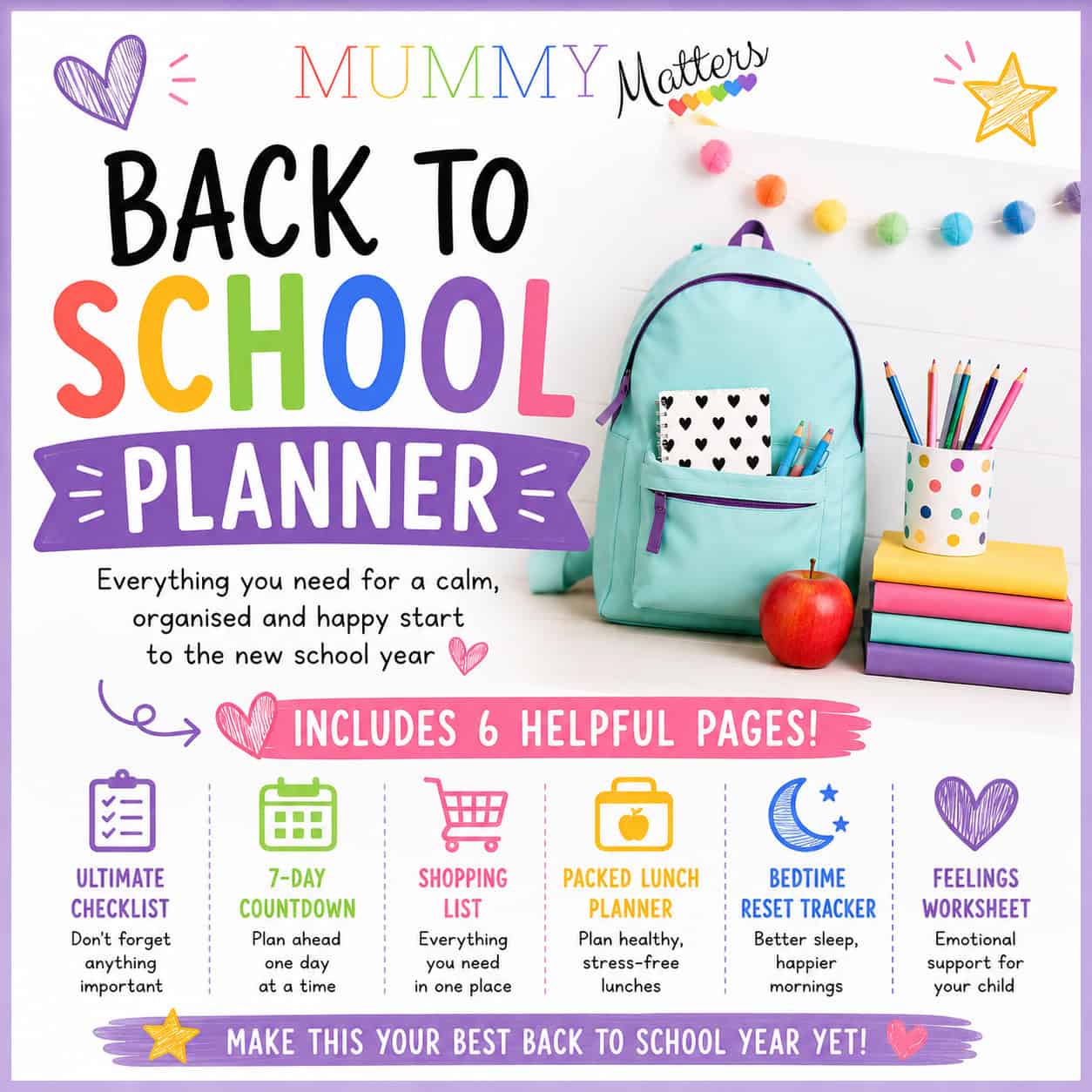
From school uniform and stationery to resetting sleep routines and preparing your child emotionally, here’s your complete back-to-school checklist for a smooth start to the new school year.
Returning to school after six weeks of summer fun can bring a mixture of excitement, nerves and, if we’re honest, a fair amount of last-minute panic for parents too. One minute you’re enjoying family days out and lazy mornings, and the next you’re wondering whether last year’s shoes still fit, where the PE kit disappeared to, and if you’ve remembered to label everything.
After raising three children through countless back-to-school seasons, I’ve learnt that it’s rarely the big things that cause the stress. It’s the little jobs that creep up during the final week of the holidays – booking a haircut, replacing a lost water bottle, finding out the school jumper is suddenly too small, or realising bedtime has quietly drifted to 10:30 pm.
That’s exactly why I’ve created this back to school checklist for UK parents (download your copy by completing the form at the bottom of this article). Whether your child is starting Reception, moving up to secondary school, or simply returning for another year, this guide will help you stay organised and avoid those frantic last-minute dashes to the shops.

We’ll cover everything you need to prepare before the first day back, including:
- School uniform and shoes
- PE kit and stationery
- School bags and lunchboxes
- Medical forms and emergency contacts
- Haircuts and name labels
- Resetting sleep routines
- Helping children feel emotionally ready for the new term
By ticking things off a little at a time, you’ll be able to enjoy the last days of the summer holidays together instead of rushing around the night before school starts.
Let’s get everything ready for a confident, calm start to the new school year.
- Check school uniform still fits
- Replace worn-out school shoes
- Pack the complete PE kit
- Stock up on stationery
- Prepare school bags and lunchboxes
- Update medical information and emergency contacts
- Book haircuts and check appearance requirements
- Reset sleep routines before term starts
- Prepare your child emotionally for going back to school
- Download your free printable back-to-school checklist
1. Check School Uniform Still Fits
If there’s one job that can save you a last-minute panic, it’s checking your child’s school uniform well before the first day back. Children have an incredible habit of having growth spurts over the summer holidays, and what fitted perfectly in July may suddenly be too short, too tight or simply too worn out by the end of August.
A couple of weeks before term starts, ask your child to try everything on. It might feel like a chore, but it’s far better to discover now that school trousers are ankle-skimming or shoes are pinching than at 7:30 am on the first day of school.
As you go through each item, check for signs of wear too. Frayed cuffs, missing buttons, broken zips and faded logos can all make uniforms look scruffy, even if they still fit. Replacing or repairing them now will help your child feel confident when they walk through the school gates.
School Uniform Checklist
Use this list to make sure you have everything ready:
- School jumper, cardigan or blazer
- Polo shirts or school shirts
- Trousers, skirts, shorts or pinafore dresses
- School tie (if required)
- School socks or tights
- Underwear
- Coat or waterproof jacket
- Any branded items required by your school
- Spare uniform (particularly useful for younger children)
Save Money on School Uniform
School uniform doesn’t have to cost a fortune. Before buying everything brand new, check whether your child’s school runs a pre-loved uniform sale or has a second-hand uniform shop. Many parent associations also sell excellent-quality uniforms that have barely been worn, often for just a few pounds.
Supermarkets and high street retailers can also be great for basics such as shirts, trousers and socks, provided they meet your school’s uniform policy.
Label Everything
Every September, hundreds of jumpers, PE bags and water bottles end up in school lost property boxes simply because they aren’t labelled.
Taking a few minutes to add your child’s name can save both money and frustration later in the term.
Remember to label:
- Jumpers and cardigans
- Blazers
- PE kit
- School bags
- Lunchboxes
- Water bottles
- Coats
- Pencil cases
You can use a permanent laundry pen, iron-on labels or stick-on labels designed for clothing and equipment. Whichever you choose, make sure labels are secure before the first wash.
Mummy Matters Tip: I’ve learnt over the years that it’s worth washing new uniform before the first day back. It softens the fabric, checks for any shrinkage and gives you the perfect opportunity to add name labels before everything disappears into the school cloakroom.
Double-Check Your School’s Uniform Policy
Uniform requirements can change from one year to the next, particularly if your child is moving into a new key stage or starting secondary school. Before buying replacements, have a quick look at your school’s website to check whether there have been any updates to:
- Approved footwear
- PE kit requirements
- Jewellery rules
- Hairstyles
- Branded uniform items
- Coat or bag policies
Spending five minutes checking now could save you an unnecessary trip back to the shops.
2. Replace Worn-Out School Shoes

School shoes take a real beating during the school year, so even if they still fit, it’s worth checking they’re in good condition before term starts. Worn soles, damaged stitching or shoes that no longer offer proper support can quickly become uncomfortable, especially when children are spending six or seven hours on their feet each day.
If your child has had a growth spurt over the summer, don’t assume last year’s shoes will still fit. Ask them to try them on while wearing school socks and encourage them to walk around the house for a few minutes. If they’re complaining about tight toes, rubbing heels or sore feet, it’s probably time for a new pair.
School Shoe Checklist
Before the first day back, check that your child has:
- School shoes that fit comfortably
- Good grip on the soles
- Secure fastenings or laces
- School-appropriate colour and style
- Comfortable school socks
- Spare laces if needed
If you’re buying new shoes, try to shop earlier in the holidays if you can. Shoe shops become incredibly busy during the final week of August, and popular sizes often sell out quickly.
Don’t Forget PE Footwear
Alongside school shoes, check the condition of any footwear your child needs for PE or sports clubs.
Depending on your school’s requirements, this might include:
- Indoor trainers
- Outdoor trainers
- Football boots
- Astroturf trainers
- Plimsolls (for younger children)
- Shin pads
- Sports socks
If your child has outgrown last year’s trainers, now is the perfect time to replace them before PE lessons begin.
Break New Shoes In Before School Starts
Brand-new shoes often need a little time to soften. Encourage your child to wear them around the house for short periods during the week before school starts. This helps identify any rubbing or pressure points and gives you time to exchange them if they aren’t quite right.
A few days of wearing them at home can make all the difference on that first busy school day.
Mummy Matters Tip: I always ask my children to walk up and down the stairs and around the house in new school shoes before removing the tags. It’s a simple way to check they’re comfortable without risking them looking worn if they need to be exchanged.
Check Your School’s Footwear Rules
Many schools have specific rules about footwear, particularly secondary schools. Some only allow plain black leather shoes, while others don’t permit trainers that look like school shoes.
Before buying a new pair, take a quick look at your school’s uniform policy to avoid an expensive mistake.
3. Pack a Complete PE Kit
PE lessons often start within the first few days of term, so it’s worth checking your child’s kit before school starts rather than assuming everything is still tucked away from last year.
Take everything out of the PE bag and check that it still fits, is in good condition and meets your school’s current requirements. Children can easily outgrow trainers or sports clothing over the summer, and missing items often aren’t discovered until the morning they’re needed.
If your child takes part in after-school sports clubs, you may also need extra kit or specialist equipment.
PE Kit Checklist
Use this checklist to make sure nothing has been forgotten:
- PE T-shirt
- PE shorts
- Jogging bottoms or leggings (for colder months)
- School hoodie or sweatshirt (if required)
- Trainers or plimsolls
- Sports socks
- Football boots (if required)
- Shin pads
- Swimming costume or trunks (if applicable)
- Swimming towel
- Goggles (if needed)
- Named PE bag
Remember that every school is different, so check your school’s PE policy if you’re unsure about colours or branded kit.
Wash Everything Before It Goes Back in the Bag
It’s surprising how often PE bags are put away after the summer with muddy trainers, forgotten socks or crumpled kit still inside.
Giving everything a quick wash before the new term helps your child start the school year feeling fresh and organised. It’s also a good opportunity to replace worn-out items before they become a problem.
Keep a Spare Set at Home
If your child is particularly forgetful (or simply has a busy timetable), consider keeping a spare PE outfit at home. Having an extra T-shirt or pair of shorts can be a lifesaver if kit is left at school or doesn’t make it into the washing basket.
For younger children, you could even pop a spare pair of socks into their PE bag. They’re lightweight, inexpensive and surprisingly easy to forget.
Mummy Matters Tip: One habit that has saved us countless rushed mornings is unpacking the PE bag as soon as the children get home after their PE lesson. The kit goes straight into the wash, and once it’s dry, it goes straight back into the bag. It only takes a couple of minutes and means you’re not hunting for clean shorts the night before the next lesson.
Label PE Kit
PE kit is one of the easiest things to lose at school. T-shirts, hoodies and trainers are often left in changing rooms, so make sure every item is clearly labelled with your child’s name.
A simple name label can make all the difference when lost property is sorted at the end of the week.
4. Stock Up on School Stationery
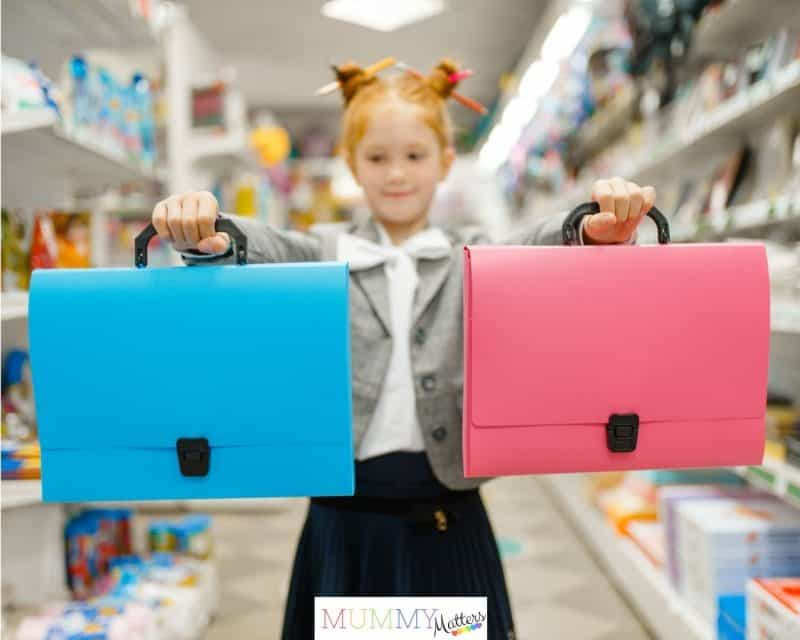
There’s nothing more frustrating than discovering your child needs a particular pen or calculator the night before their first homework assignment. Taking a few minutes to check your stationery supplies before the new school year begins can save unnecessary stress later on.
If your child is starting primary school, you may not need to buy very much at all. Many UK primary schools provide essential classroom stationery such as pencils, exercise books and glue sticks. However, older primary children may still need a pencil case, colouring pencils or a reading folder.
Children moving into secondary school are usually expected to bring their own equipment every day, so it’s worth checking the school website or welcome pack for a list of required items.
School Stationery Checklist
Before term starts, check that your child has:
- Black or blue handwriting pens
- HB pencils
- Pencil sharpener
- Rubber (eraser)
- 30cm ruler
- Coloured pencils
- Highlighters (if required)
- Glue stick
- Scissors (if requested)
- Pencil case
- Scientific calculator (often needed for secondary school)
- Geometry set (for older pupils)
- Reading record or reading folder (where applicable)
If your child already has stationery from last year, see what can be reused before buying new supplies. A quick sort through drawers at home could save you money and reduce unnecessary waste.
Check Your School’s Equipment List
Every school has slightly different expectations. Some secondary schools ask pupils to bring their own whiteboard pens, mini whiteboards or art equipment, while others provide everything they need in lessons.
It’s worth reading any emails or letters from school carefully so you only buy what’s actually required.
Organise It Before the First Day
Rather than leaving everything in shopping bags, spend a few minutes helping your child organise their equipment.
Fill their pencil case, sharpen pencils and check that pens work properly. It’s a small job that can help children feel prepared and confident, especially if they’re starting a new school.
For younger children, turning this into a fun activity can also help build excitement about going back to school.
Mummy Matters Tip: We’ve found that buying good-quality stationery doesn’t have to be expensive. At the end of each school year, I always collect any unused pens, pencils and rulers from the bottom of school bags and pencil cases. It’s amazing how many perfectly good supplies can be reused, saving both money and waste.
5. Get School Bags and Lunchboxes Ready
A school bag isn’t just something to carry books – it’s where children keep everything they need to get through the school day. Spending a few minutes organising it before term starts can help make those first mornings much calmer.
Start by emptying last year’s bag completely. You might be surprised by what you find tucked away in the pockets! Check for broken zips, worn straps or damaged compartments, and give the bag a quick clean if it needs it.
If your child is having a new school bag this year, encourage them to try it on and adjust the shoulder straps so it’s comfortable to carry.
School Bag Checklist
Before the first day back, make sure your child has:
- School bag or backpack
- Pencil case
- Reading book or reading folder (if required)
- Homework diary or planner (if provided before term starts)
- Water bottle
- Lunchbox (if taking packed lunches)
- Healthy snack (if your school allows one)
- Tissues
- Hand sanitiser (if your child prefers to carry one)
- House key or bus pass (where appropriate for older children)
Having everything packed the night before can make the morning routine much less stressful, particularly if you’re getting more than one child ready for school.
Check Lunchboxes and Water Bottles
Lunchboxes and reusable water bottles often spend six weeks tucked away in a cupboard, so give them a good clean before they go back into daily use.
Check that:
- Lids still seal properly
- Water bottles don’t leak
- Lunchboxes aren’t cracked or stained
- Ice packs are still in good condition
- Your child’s name is clearly labelled
If your child is taking packed lunches, it’s also worth asking whether there are any new school rules around snacks or nut-free policies.
Start Planning Packed Lunches
Thinking about packed lunches before the first day of term can make life much easier once the school routine begins.
You don’t need to plan every meal in advance, but having a few simple lunch ideas and keeping the cupboard stocked with healthy favourites will save you from those early-morning “We’ve got nothing for lunch!” moments.
If you’re looking for inspiration, don’t miss my guide to healthy family meal planning on a budget, which includes plenty of ideas that can easily be adapted for school lunches.
Mummy Matters Tip: I always refill water bottles and leave them in the fridge overnight. On busy school mornings it’s one less thing to remember, and the water stays lovely and cold throughout the day.
Label Everything
School bags, lunchboxes and water bottles are among the most commonly misplaced items during the school year. Adding your child’s name to each one makes it much easier for lost items to find their way back home.
If your child is starting Reception or moving to a new school, you might also want to help them recognise their belongings by choosing a distinctive colour or keyring.
6. Update Medical Information and Emergency Contacts
Preparing for the new school year isn’t just about buying uniform and stationery. It’s also the perfect time to make sure your child’s school has the correct medical information and emergency contact details.
Children’s needs can change over the course of a year, so don’t assume the information the school has on file is still up to date. A few minutes spent checking now could make a real difference if your child becomes unwell or there’s an emergency during the school day.
Medical Checklist
Before the new term starts, check whether you need to:
- Update emergency contact numbers
- Inform the school about any new allergies
- Check that asthma inhalers are in date
- Replace expired EpiPens or other emergency medication
- Update details of any regular medication your child takes
- Inform the school about any new medical diagnoses or health conditions
- Complete any medication consent forms required by the school
If your child needs medication during the school day, find out whether you’ll need to complete new permission forms before term starts. Some schools ask parents to renew these each academic year.
Has Anything Changed Since Last Year?
The start of a new school year is also a good time to think about any changes that could affect your child at school.
For example:
- Has your child been diagnosed with a medical condition?
- Do they have new dietary requirements or allergies?
- Have there been changes to who can collect them from school?
- Has your home address or phone number changed?
- Is there anything new their teacher should know to help them settle into the classroom?
Keeping the school informed helps staff provide the right support from day one.
Supporting Children with Additional Needs
If your child has SEND, ADHD, autism or another additional need, consider contacting the school before the first day back to discuss any support they’ll need.
A short conversation with your child’s class teacher, form tutor or SENDCo can help everyone start the year with clear expectations and reduce anxiety for both you and your child.
If there have been any changes over the summer holidays, such as a new diagnosis, assessment or support plan, let the school know as early as possible so appropriate arrangements can be put in place.
Mummy Matters Tip: Over the years, I’ve learnt that it’s much easier to share important information before the first day than to wait until your child is already struggling. Teachers have so much to take in during the first week of term, so a friendly email beforehand can really help them understand your child’s individual needs.
Keep Your Own Records Up to Date
It’s also worth saving important school phone numbers in your mobile and keeping copies of any medical forms or care plans somewhere easy to find.
Hopefully you’ll never need them, but having everything organised can save valuable time if an unexpected situation arises.
7. Book Haircuts and Check Personal Care Essentials
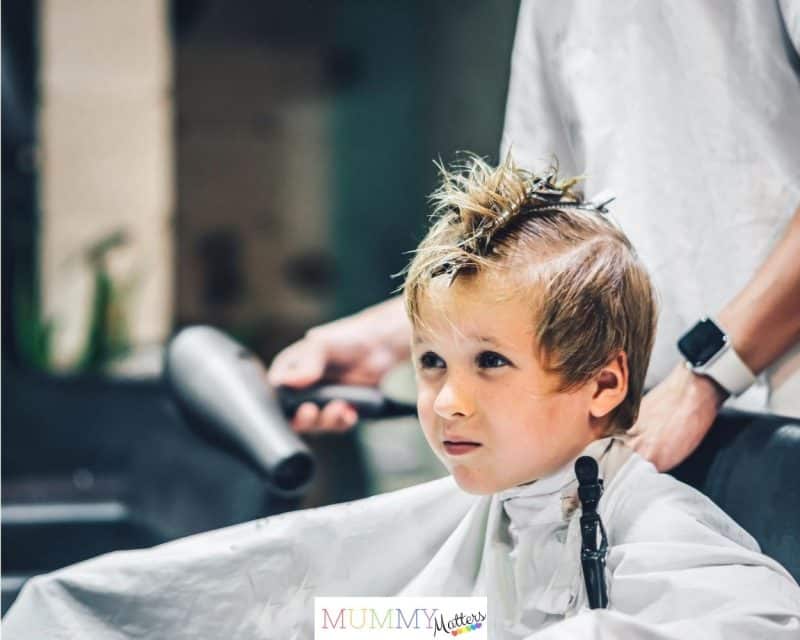
The last week of the summer holidays is one of the busiest times of year for barbers and hairdressers. If your child usually has a haircut before returning to school, it’s worth booking an appointment well in advance rather than hoping there will be a slot available a day or two before term starts.
A fresh haircut can also help children feel confident and ready for a new school year, especially if they’re starting a new school or moving into secondary education.
Personal Care Checklist
Before the first day back, check that you have:
- Haircut booked (if needed)
- Hair ties, bobbles or clips
- Hairbrush or comb
- School-approved hair accessories
- Deodorant (for older children)
- Tissues
- Lip balm for cooler autumn weather (if your child uses it)
If your child’s school has rules about hairstyles, hair accessories or jewellery, it’s worth checking these before making any changes.
Check for Head Lice
Head lice are an unfortunate part of school life, and checking your child’s hair before term starts can help reduce the chances of bringing unwanted visitors home during the first few weeks.
A quick check with a fine-toothed detection comb only takes a few minutes and can provide peace of mind before children are back in close contact with classmates.
If you do discover head lice, treating them before the first day back helps protect both your child and others in their class.
Encourage Growing Independence
The start of a new school year is a great opportunity to help children take a little more responsibility for their own morning routine.
Depending on their age, they could:
- Brush and style their own hair.
- Pack their school bag the night before.
- Fill their water bottle.
- Lay out their uniform ready for the morning.
- Check they have everything they need for the next day.
Small responsibilities like these can build confidence and make school mornings run more smoothly.
Mummy Matters Tip: As my children have got older, I’ve found that giving them responsibility for preparing their own things has actually reduced the number of forgotten items. They take far more ownership when they’ve packed their own bag than when I’ve done everything for them.
8. Reset Sleep Routines Before School Starts
After six weeks of later nights, lazy mornings and relaxed routines, it’s completely normal for children’s sleep patterns to drift during the summer holidays. Unfortunately, going from a 10 pm bedtime straight back to an early school morning rarely ends well.
Instead of waiting until the night before school starts, begin adjusting your child’s routine around one to two weeks before the first day of term. Gradually moving bedtime and wake-up time earlier by 10–15 minutes every couple of days is usually much easier than making a sudden change overnight.
Back-to-School Sleep Checklist
Help your child get back into a healthy routine by:
- □ Bringing bedtime forward gradually
- □ Waking them a little earlier each morning
- □ Limiting screens for at least an hour before bed
- □ Encouraging plenty of outdoor activity during the day
- □ Keeping bedtime calm and predictable
- □ Preparing school bags and uniform the evening before
- □ Setting alarms a few days before school starts
A consistent routine will help your child feel more rested, making those first mornings back at school much less stressful for everyone.
Create a Calm Evening Routine
Children often feel a mixture of excitement and anxiety as the new school year approaches. Having a predictable evening routine can help them relax and signal that bedtime is approaching.
You could include:
- A warm bath or shower
- Reading together or independent reading
- Quiet music or an audiobook
- A chat about the day ahead
- Dimming lights around the house
- Avoiding exciting games or social media before bed
These simple habits can make it easier for children to fall asleep and wake feeling refreshed.
What If Your Child Is Worried About Going Back?
It’s not unusual for children to struggle to fall asleep because they’re thinking about returning to school. They might be wondering about a new teacher, changing classes, friendship groups or simply getting back into routine.
Encourage them to talk about any worries during the day rather than at bedtime. Often, just knowing they’ve been listened to is enough to help ease their mind.
If your child seems particularly anxious, reassure them that many children feel exactly the same before a new school year begins.
Mummy Matters Tip: One thing that has always helped our family is getting everything ready the night before. Knowing uniforms are laid out, lunches are planned and school bags are packed makes everyone feel calmer, including me!
If you’re finding it difficult to get your child back into a school-night routine, you might also find my guide on How to Reset Bedtimes Before School Starts helpful, where I share more practical strategies for making the transition easier.
9. Prepare Your Child Emotionally for the New School Year

While it’s easy to focus on buying the right uniform or replacing worn-out shoes, one of the most important parts of getting ready for school can’t be bought in a shop.
For many children, returning to school brings a mixture of excitement, uncertainty and nerves. They may be wondering who will be in their class, whether they’ll like their new teacher or if their friends have changed over the summer holidays. Younger children might worry about saying goodbye at the school gate, while older children could be thinking about increased workloads, exams or fitting in.
These feelings are completely normal.
Giving your child space to talk about how they’re feeling can help them feel more confident and supported before the first day back.
Start Conversations Early
Rather than waiting until the evening before school starts, begin chatting about the new term a week or two in advance.
You could ask questions like:
- “What are you looking forward to most?”
- “Is there anything you’re feeling nervous about?”
- “What would help you feel more prepared?”
- “Is there anything you’d like to practise before school starts?”
Sometimes children don’t need you to solve their worries—they simply need to know you’re listening.
Build Excitement Alongside Confidence
Not every conversation has to focus on worries. Help your child look forward to the new school year by celebrating the positives too.
You could:
- Visit the school playground if it’s open.
- Let them choose a new lunchbox or water bottle.
- Read books about starting school with younger children.
- Talk about seeing friends again.
- Celebrate moving into a new year group.
- Plan a special family breakfast on the first morning back.
Small traditions like these can turn the first day back into something to look forward to rather than fear.
Support Children Who Find Change Difficult
Some children need a little extra support when routines change, particularly those with additional needs such as ADHD, autism or anxiety.
If your child struggles with transitions, it can help to:
- Talk through what the first day will look like.
- Use a visual timetable or countdown calendar.
- Visit the school beforehand if possible.
- Practise the morning routine together.
- Let the school know about any concerns before term starts.
Starting the conversation early gives everyone more time to put support in place if it’s needed.
Remember That Every Child Is Different
Some children will race through the school gates without a second thought, while others may need a little more reassurance. Both reactions are perfectly normal.
Try to avoid comparing siblings or friends. Confidence grows at different rates, and what matters most is helping your child feel safe, understood and ready to take the next step.
Mummy Matters Tip: One thing I’ve learnt from raising three very different children is that no two back-to-school experiences are ever the same. One child couldn’t wait to go back, another counted down the days with dread, and another changed from year to year. Listening without judgement and keeping our routines calm has always helped far more than trying to convince them they “shouldn’t” feel worried.
Celebrate the End of the Summer Holidays
Before the school routine takes over again, take a moment to celebrate everything you’ve enjoyed together over the holidays.
Whether it’s a family walk, a picnic, a favourite film night or simply eating ice cream in the garden, ending the summer on a positive note can help children feel that one chapter is closing before another begins.
Sometimes, those small moments become the memories they carry into the new school year.
Final Thoughts
Getting ready for a new school year can feel overwhelming, especially when there are so many small jobs to remember. The good news is that you don’t have to do everything at once.
By working through this back to school checklist a little at a time, you’ll avoid the last-minute rush and help your child start the new term feeling organised, confident and ready to learn.
Remember, the goal isn’t to have a perfect first day. It’s simply to help your child feel prepared, supported and excited about the year ahead. A little planning now can make those busy school mornings much calmer for the whole family.
Returning to school doesn’t have to feel overwhelming. By tackling a few small jobs each day and using the free Mummy Matters Back to School Planner, you can head into the new term feeling organised, prepared and ready to enjoy those precious final days of the summer holidays.
If you’ve downloaded the planner, I’d love to hear how you got on. Leave a comment below with your favourite back-to-school tip or tell us which page you found most useful.
Wishing you and your family a happy, confident and stress-free start to the new school year!
Download the Free Mummy Matters Back to School Planner
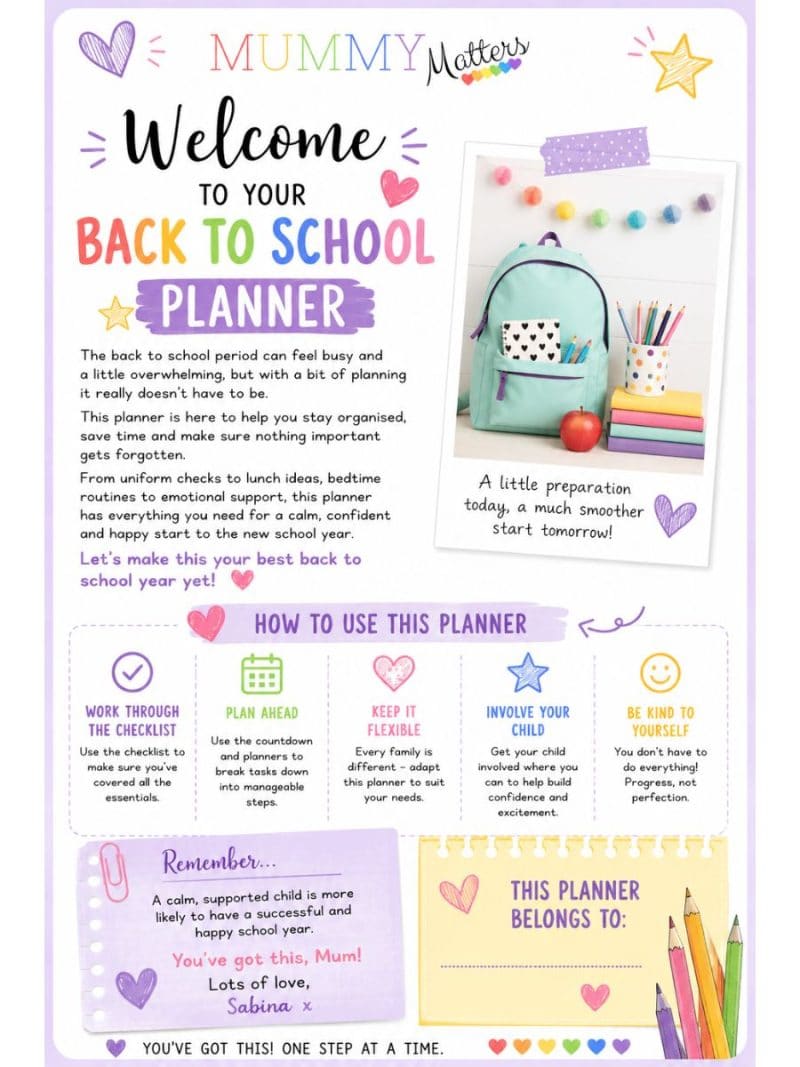
Getting ready for a new school year is about much more than buying a new uniform. Between checking school shoes, planning lunches, resetting bedtimes and helping children feel emotionally prepared, there’s a lot to remember.
That’s why I’ve created the free Mummy Matters Back to School Planner to help you stay organised during the final weeks of the summer holidays.
Inside your free planner you’ll find:
✅ A complete Back to School Checklist
✅ A 7-Day Countdown to the First Day
✅ A Back to School Shopping List
✅ A First Week Packed Lunch Planner
✅ A Bedtime Reset Tracker
✅ A “How Are You Feeling?” worksheet to help children talk about their emotions before returning to school
Whether your child is starting Reception, moving up a year group or beginning secondary school, this planner has been designed to help make the transition calmer and more organised for the whole family.
Frequently Asked Questions
When should I start preparing for the new school year?
Ideally, start around two weeks before your child’s first day back at school. Spreading the jobs over several days gives you plenty of time to replace anything that’s missing, reset sleep routines and help your child feel emotionally prepared without leaving everything until the last minute.
What should be on a back to school checklist?
A good back-to-school checklist should include:
School uniform
School shoes
PE kit
Stationery
School bag
Lunchbox and water bottle
Medical forms and emergency contacts
Haircuts and personal care
Sleep routine
Emotional preparation
Working through each section helps ensure nothing important is forgotten.
What stationery do children need for school in the UK?
Requirements vary between schools. Most primary schools provide basic classroom supplies, while many secondary schools expect pupils to bring their own pens, pencils, ruler, calculator and other equipment. Always check your school’s welcome information before buying new stationery.
How can I help my child feel less anxious about going back to school?
Talk openly about any worries, re-establish routines before term starts and focus on the positive aspects of returning to school, such as seeing friends and learning new things. If your child is particularly anxious, letting their teacher know in advance can also help.
Should I label everything?
Yes. Labelling school uniform, PE kit, lunchboxes, water bottles and school bags makes it much more likely that lost items will be returned.
How early should I reset my child’s bedtime?
Aim to start around one to two weeks before school begins. Gradually moving bedtime earlier by 10–15 minutes every few days is often much easier than making a sudden change the night before school starts.
Now that the first few weeks of term are behind us, my October reset is a useful next step for looking at what is working and getting home and family life organised for autumn.
Once everyone has settled back into the school routine, I always start looking ahead to the little things we can enjoy during autumn, including pumpkin picking near Peterborough when October arrives.
You might also find these helpful: