

A family dog can bring affection, companionship and plenty of laughter into a home, but daily life with children and a pet is often messier than expected. Toddlers are noisy, routines change quickly, and dogs can find constant activity tiring. Parents also have to manage feeding, walks, veterinary care and supervision alongside everything their children need.
The arrangement works best when adults recognize these pressures early and set clear boundaries. Children and dogs can form a lovely bond, but neither should be expected to understand the other without patient guidance.
Balancing Toddler Chaos and Canine Needs
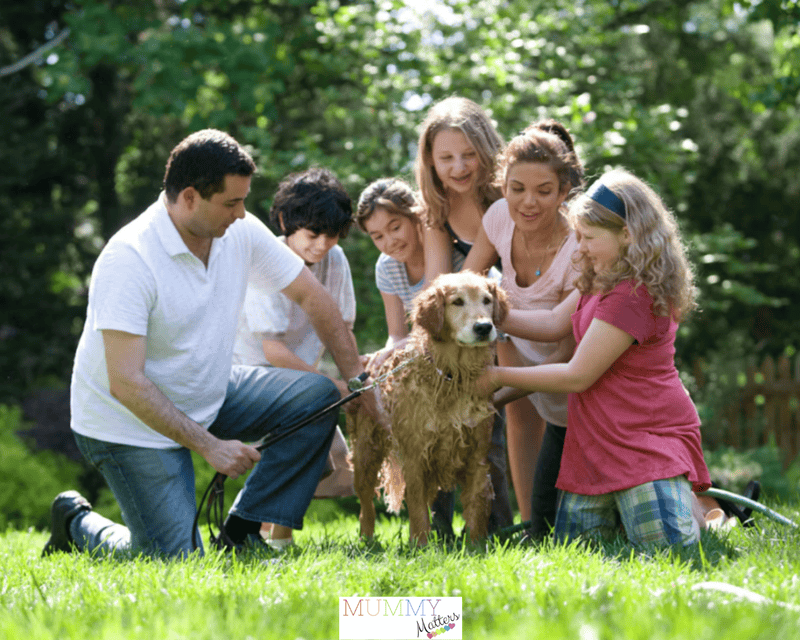
Toddlers rarely move quietly. They run, drop toys, squeal and reach for whatever catches their attention. A dog may tolerate this activity for a while before becoming tired or uneasy. Close supervision matters whenever young children and dogs share a room, even if the pet has always appeared calm.
Learn to spot subtle signs of discomfort. Lip licking, yawning, turning the head away and leaving the room can all signal that a dog needs space. The ASPCA’s guidance on dogs and babies recommends preparing pets for changes and making introductions controlled and positive. Never allow a child to follow a retreating dog, climb on it or disturb it while eating.
Simple household rules make supervision easier. Teach your child to stroke the dog gently along its back, keep faces apart and leave food bowls alone. Adults should handle chews and favorite toys if the dog tends to guard valued items. A realistic guide to dogs and toddlers can also help families think through boundaries before problems occur.
Build the dog’s basic needs into the family schedule. Breakfast can happen before the morning rush, while a short toilet break can follow the school run. If your toddler is having an especially energetic day, give the dog access to a quiet area instead of expecting it to remain involved. Predictable care helps pets cope when the rest of family life feels unpredictable.
Handling Unexpected Medical Incidents
Minor accidents can happen quickly in a busy home. A dog might swallow part of a child’s toy, injure a paw while rushing through a doorway or become unwell without warning. Store the contact details for your regular veterinary clinic and the nearest out-of-hours service in your phone. Other caregivers should know where to find them too.
Call a veterinary professional promptly if your dog has trouble breathing, collapses, experiences repeated vomiting or shows signs of severe pain. Suspected poisoning and swallowed objects also need immediate advice. Don’t give human medication unless a veterinarian specifically instructs you to do so, since several common medicines can be dangerous for pets.
Preparing for treatment costs belongs on the family admin list as well. You might create a dedicated emergency fund and consider dog insurance through Healthy Pets to help manage the cost of eligible veterinary treatment for illness or injury. Check any policy’s exclusions, excess, limits and waiting periods carefully so you understand what it covers.
Keep a basic pet information sheet with the dog’s age, weight, medication and relevant medical history. Place the carrier, lead and a clean towel somewhere accessible. During an urgent trip, one adult can call the clinic while another keeps the children safely occupied. If you’re alone, explain the situation to the clinic and ask what needs to happen first. A clear plan reduces delays when everyone is already upset.
Creating Safe Rest Zones for Pets
Every dog needs somewhere it can sleep without being touched, called or crowded. This may be a bed behind a stair gate, an open crate in a quiet room or a corner separated from the main play area. Choose a location that lets the dog withdraw from noise while still feeling connected to the household.
Make the boundary easy for children to understand. A phrase such as “the dog is resting” works better than a long explanation in the moment. You can mark the area with a distinct mat and remind children that they must ask an adult before approaching. Babies and toddlers won’t follow this rule reliably, so physical barriers and adult supervision remain necessary.
The rest zone should never become a place where a child crawls in after the dog. Keep it away from toy boxes and busy walkways, and ensure the pet can enter and leave without being blocked. Food bowls may also need a protected location, particularly during meals. Guidance on reducing household stress highlights the value of routines, management tools and separate spaces in homes shared by children and dogs.
Respect this area even when the dog looks relaxed. Waking a sleeping pet for a cuddle can provoke a startled reaction. Children can show affection later by helping an adult refill the water bowl, tossing a toy during supervised play or practicing a simple cue. These structured interactions allow children to participate without putting pressure on the dog.
Finding Time for Exercise Together
A dog’s exercise needs don’t disappear when family life becomes busy, though the type and duration of activity should suit its age, health and temperament. A young, energetic dog may need several outings and active play sessions, while an older dog might prefer shorter walks at a gentler pace. Ask your veterinarian for guidance if you’re unsure what is appropriate.
Family walks can meet several needs at once, but plan them around safety. Use a secure lead held by an adult and choose a route where you can comfortably manage both the dog and the children. A toddler may ride in a stroller for part of the trip, then stop at a suitable open space while the dog has time to sniff. Sniffing provides mental stimulation, so every outing doesn’t need to cover a long distance.
On hectic days, split activity into manageable blocks. Try a 15-minute walk in the morning, a short training session after lunch and supervised play later in the day. Hide a few pieces of the dog’s normal food around one room, use a suitable food puzzle or practice cues such as “sit” and “wait.” Adjust meal portions if treats form part of training.
Children can join in when an adult controls the activity. Older kids might help set up a simple scent game, while younger ones can gently roll a ball under supervision. Pediatric guidance on growing up with dogs also discusses the companionship and activity that pets can bring to family life.
Some days won’t go according to schedule. Bad weather, illness and missed naps may shorten a walk or cancel playtime. A flexible mix of outdoor movement, indoor enrichment and protected rest gives your dog a workable routine without making family life feel like a military timetable. When the dog has a quiet bed to return to, and the children know to let it rest, the whole household has a better chance of settling down together at the end of the day.