
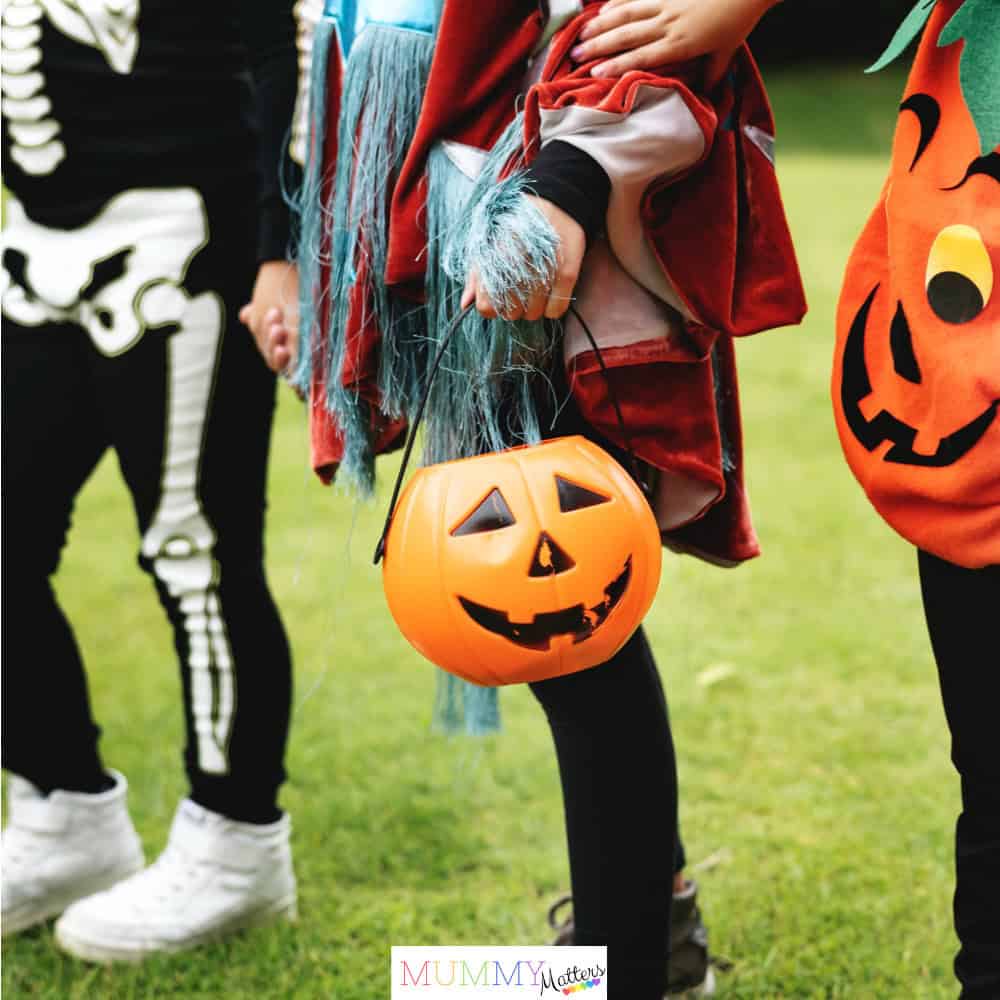
Halloween should be an opportunity for children to experience fun, creativity and excitement, but we must recognise that every child experiences the world differently. For some children, particularly those with sensory sensitivities, anxiety, ADHD or autism, the unfamiliar sights, sounds and expectations of Halloween can feel overwhelming. Our role as parents and educators is to recognise individual needs, prepare children for new experiences and offer choices that help them feel safe, confident and included.
1. Helping children who find costumes, masks or unfamiliar surroundings uncomfortable

Key talking points:
- Comfort before costumes: Allow children to choose what they wear, involving them in decision is key. Soft, familiar clothing, a favourite character T-shirt or a simple accessory can be just as exciting as a full costume.
- Introduce costumes gradually: Encourage children to explore costumes in advance, touching fabrics, trying on individual items and becoming familiar with how they feel.
- Make the unfamiliar familiar: Masks can be particularly unsettling because they hide facial expressions, which young children rely on to interpret emotions and feel secure. Show children the familiar face behind the mask.
- Follow the child’s lead: Avoid insisting that children wear costumes or participate in unfamiliar experiences before they feel ready.
Children develop confidence when they feel safe and have a sense of control. Rather than focusing on the perfect Halloween costume, we should focus on creating positive experiences. Giving children choices and allowing them to participate at their own pace supports their emotional wellbeing and builds confidence.
2. Managing sensory overload from flashing decorations, loud noises and busy environments
Key talking points:
- Anticipate sensory triggers: Flashing lights, unexpected noises, crowds and unfamiliar decorations can be overwhelming for some children.
- Plan ahead: Consider visiting familiar streets earlier in the evening when environments may be quieter and less crowded.
- Create a sensory toolkit: Bring familiar comfort items, noise reducing headphones or a favourite toy to provide reassurance.
- Recognise early signs: Increased restlessness, covering ears, withdrawal or becoming upset may indicate that a child needs a break.
- Provide an exit strategy: Reassure children that they can return home or move to a quieter space whenever needed.
It is important to remember that what may seem exciting to one child can feel overwhelming to another. Parents/families can make a significant difference by anticipating sensory challenges and providing opportunities for children to take breaks. A shorter, calmer Halloween experience can be far more meaningful than an evening filled with activities that leave a child feeling distressed.
3. Preparing children who struggle with changes to their usual routines
Key talking points:
- Preparation builds security: Talk about Halloween in advance, explaining what children might see, hear and experience.
- Use visual supports: Pictures, simple stories or a visual timetable can help children understand what will happen and in what order.
- Practise through play: Role-play knocking on doors, saying “trick or treat” and receiving treats, allowing children to rehearse unfamiliar social interactions, if this is something that a family chooses to do. Always with adults!
- Maintain familiar routines: Keep mealtimes, rest periods and bedtime routines as consistent as possible.
- Set clear expectations: Explain where you are going, how many houses you may visit and when you will return home.
Predictability is incredibly important for young children, particularly those who find transitions and changes challenging. Through simple conversations, visual prompts and playful rehearsals, parents can turn an unfamiliar experience into something children understand and feel more confident approaching.
4. Encouraging children to enjoy Halloween without pressure
Key talking points:
- Participation should be a choice: Children should never feel that they must wear a costume, approach strangers or engage in frightening activities or activities that may not feel comfortable to them to enjoy Halloween.
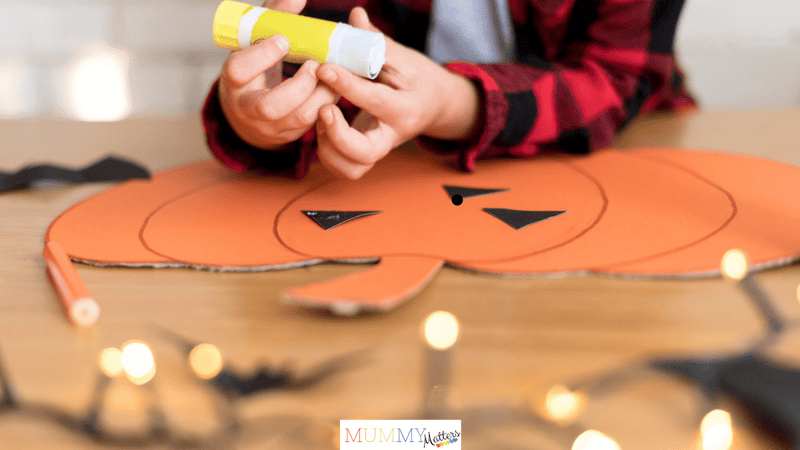
- Offer alternative experiences: Pumpkin decorating, sensory-friendly crafts, autumn themed stories or a Halloween treasure hunt at home can be equally meaningful.
- Focus on enjoyment rather than expectations: Celebrate small steps, whether that means watching decorations from a distance or visiting just one familiar neighbour.
- Respect children’s emotions: Acknowledge feelings rather than dismissing fears. Phrases such as “I can see that looks a little scary” help children feel understood.
- Promote inclusion: Avoid comparing siblings or peers. Each child’s experience and level of participation may look different.
At The Learning Experience, we recognise that children learn and thrive through positive relationships, play and experiences that reflect their individual developmental needs. Halloween should be no different. Inclusion isn’t about ensuring every child does the same activity; it’s about ensuring every child has an opportunity to participate in a way that feels right for them.
5. Practical Halloween safety advice for families with children of different ages
Key talking points:
- Babies and toddlers: Keep celebrations short, familiar and age-appropriate. Be mindful that masks or any face coverings can be frightening and loud noises can be especially unsettling.
- Preschool children: Establish simple safety rules, practise staying close to a trusted adult and explain that they should never enter someone’s home without parental permission.
- Older children: Agree on clear boundaries, appropriate supervision, familiar routes and what to do if separated from their group.
- Costume safety: Choose well-fitting costumes and comfortable footwear, avoid items that restrict vision or movement, and use reflective accessories or lights for visibility.
- Treat safety: Check sweets for choking hazards, allergens and age appropriateness. For younger children, avoid hard sweets, whole nuts and other foods that pose choking risks.
- Emotional safety: Ensure children know they can say “no”, ask for help or leave an activity if they feel uncomfortable.
When planning Halloween activities, physical safety and emotional wellbeing should go hand in hand. Whether a child is two or ten, clear expectations, appropriate supervision and reassurance help children feel secure. The most successful Halloween experiences are those where children feel happy, included and safe.
One of the most important things we can teach children is that it is okay to experience the world differently. Halloween offers a wonderful opportunity to model empathy, respect individual needs and celebrate what makes every child unique. When we replace pressure with choice, and uncertainty with preparation, we create opportunities for children to develop confidence, independence and positive memories.

Bio: Maria is a former preschool owner and has over 30 years of experience in the early childhood education industry in both the U.S. and U.K. She is now the Vice President of curriculum at The Learning Experience, one of the largest early education franchises.