

Ad – Aquaphor collaboration: This article is part of my Aquaphor campaign and contains a link to my review, where you can find an affiliate discount. I may earn a commission if you purchase through my affiliate link, at no additional cost to you. All opinions and experiences are my own.
Living in Lincolnshire, we’re very familiar with hard water. Between the limescale, the taste of our drinking water and the inconvenience of keeping filter jugs filled, I’d been wondering whether there was a more practical solution for our family.
I didn’t particularly want another gadget taking up space in the kitchen. What appealed to me was the idea of having filtered drinking water available from a separate tap, without having to think about filling a jug and waiting for it to filter.
We recently had an under-sink reverse osmosis system installed, and one of the biggest differences I’ve noticed is how much more often we’re using the filtered drinking-water tap compared with our old jugs. The water tastes better to us, too.
But these systems aren’t cheap, and there’s more to consider than convenience. So, is a reverse osmosis water filter worth it for a typical UK family, or would a much simpler solution do the job just as well?
What is a reverse osmosis water filter?
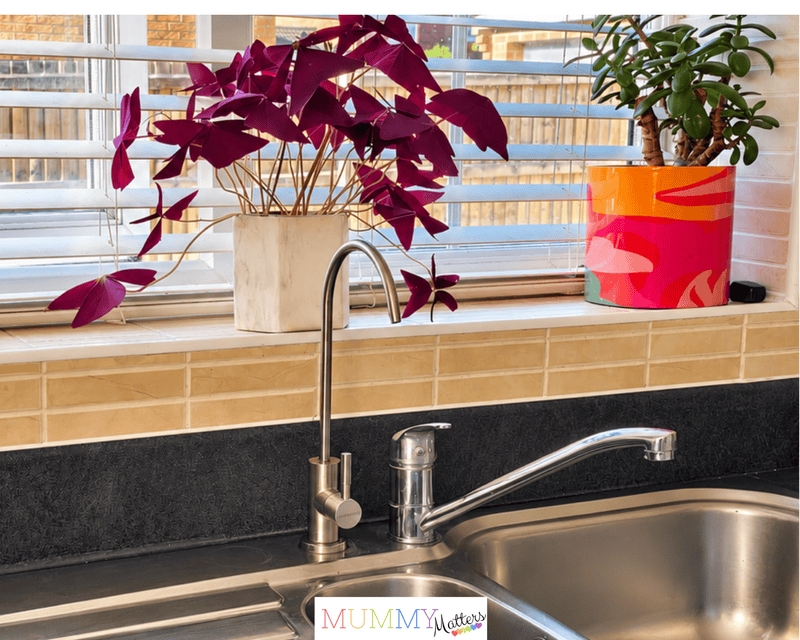
Reverse osmosis, often shortened to RO, is a method of filtering water using a special membrane.
Water is pushed through this membrane, which allows water molecules to pass through while restricting many dissolved substances, including minerals.
Most domestic reverse osmosis systems also use additional filtration stages, such as sediment filters and activated carbon filters. The exact combination depends on the model.
Unlike a standard filter jug, which typically relies on activated carbon and ion-exchange materials, a reverse osmosis system is designed to reduce a wider range of dissolved substances.
However, it’s important to understand that not every reverse osmosis system performs identically. The substances a particular product can reduce, and by how much, depend on its design, operating conditions and independently verified performance.
Reverse osmosis also produces wastewater as part of the filtration process, something worth considering before investing.
Do UK households actually need reverse osmosis filtration?
This is probably the most important question to ask before spending money on any water filtration system.
For most households connected to a regulated public water supply in the UK, reverse osmosis filtration isn’t necessary to make their tap water safe to drink.
The Drinking Water Inspectorate explains that drinking water in England and Wales is subject to strict quality standards. It also cautions consumers against marketing that suggests ordinary tap water is unsafe simply because it hasn’t been filtered.
You can read more in the Drinking Water Inspectorate’s guidance on domestic water filters and softeners.
So why do people buy water filters?
Often, it comes down to personal preference and practicality rather than safety.
Some households dislike the taste or smell of their tap water. Others live in hard-water areas and would prefer drinking water with a lower mineral content. Some simply find having a separate filtered-water tap more convenient.
These are reasonable things to consider, but they’re different from needing a filtration system for health reasons.
If you’re concerned about the safety of your water supply, it’s better to check your water company’s quality information or seek appropriate testing rather than assume a domestic filter will solve the problem.
Does reverse osmosis help with hard water and limescale?
If you live in a hard-water area, you’ll probably recognise the white deposits that build up around taps, sinks and kettles.
Hard water contains relatively high concentrations of dissolved calcium and magnesium. These minerals are naturally present in water and are responsible for much of the limescale we see around the home.
Reverse osmosis can reduce these dissolved minerals, producing water with much lower hardness.
However, there’s an important distinction between filtering water at your drinking-water tap and softening the water throughout your home.
Will reverse osmosis stop limescale in your house?
Not if you have a system fitted solely to a separate drinking-water tap.
An under-sink reverse osmosis filter treats the water supplied through that particular outlet. It doesn’t change the water flowing to your shower, washing machine, dishwasher or other household taps.
If your main concern is limescale throughout the property, you may be better off researching a suitable whole-house water treatment system.
On the other hand, if you’re primarily interested in your drinking water, a point-of-use system may be more appropriate.
For us, living with hard water was part of the reason we started exploring filtration, but convenience and taste were equally important.
Reverse osmosis vs water filter jugs: which is better?
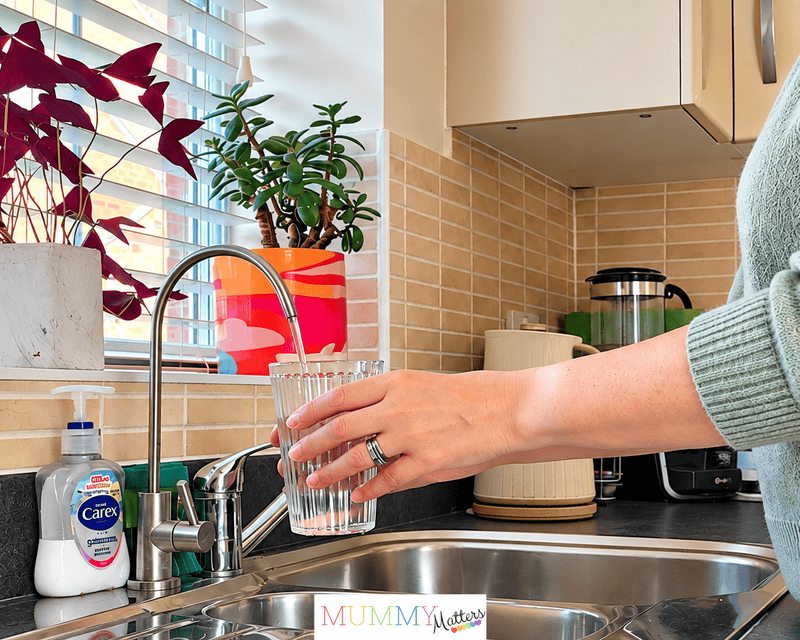
Before choosing an under-sink system, we’d used filter jugs. They’re an affordable and straightforward option, and for many families they’re probably all that’s needed.
The difference comes down to what you want the filter to achieve and how much you’re prepared to spend.
| Feature | Filter jug | Standard under-sink filter | Reverse osmosis system |
|---|---|---|---|
| Initial cost | Usually low | Varies | Usually higher |
| Installation | None | Plumbing required | Plumbing and drainage usually required |
| Kitchen space | Jug needs storing | Usually hidden | Requires cupboard space |
| Filtration | Depends on cartridge | Depends on filter type | Membrane plus other stages |
| Mineral reduction | Varies | Varies | Usually substantial |
| Wastewater | No separate drain stream | Usually none | Yes |
| Maintenance | Regular cartridge changes | Cartridge changes | Multiple filters and potentially membrane replacement |
| Convenience | Jug needs refilling | Filtered water on demand | Filtered water on demand, subject to system capacity |
When a filter jug makes sense
A filter jug could be the better choice if you:
- Want a relatively inexpensive way to improve the taste of drinking water.
- Don’t want to alter your plumbing.
- Have enough fridge or worktop space.
- Don’t mind refilling it and replacing cartridges.
A jug can also be a sensible starting point if you’re not sure how much you’ll use filtered water.
When an under-sink system might be better
An under-sink filter could appeal if you:
- Want filtered drinking water directly from a tap.
- Prefer to keep your worktops clear.
- Find refilling a jug inconvenient.
- Are happy to pay more for a permanent installation.
You don’t necessarily need reverse osmosis to get these benefits. Standard under-sink carbon filters can also provide filtered water on demand, often with simpler installation and without a separate wastewater stream.
That’s why it’s worth comparing the different technologies rather than automatically choosing the most expensive option.
What are the pros and cons of reverse osmosis water filters?
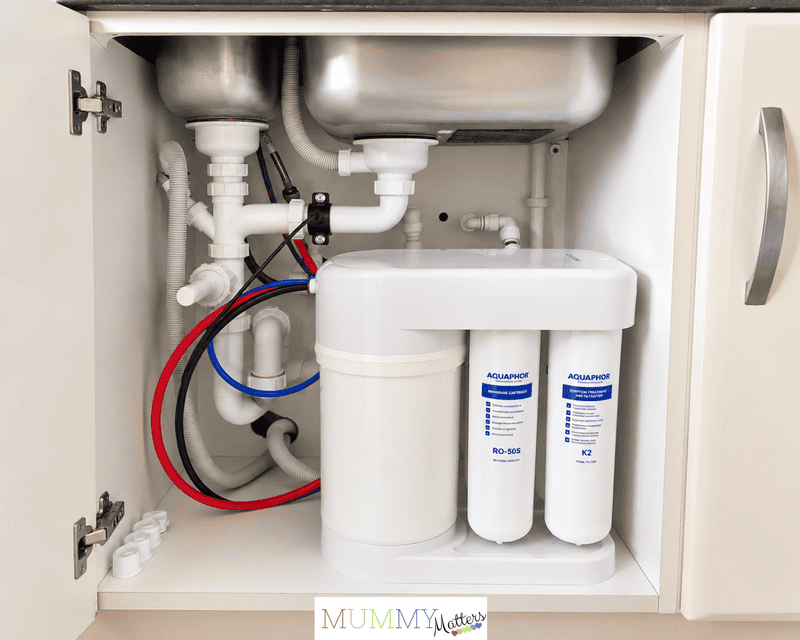
There are some genuine advantages to reverse osmosis filtration, but the disadvantages deserve just as much attention.
The advantages
1. It can change the taste of drinking water
Some people prefer the taste of filtered water. The difference will depend on the original water supply, the filtration system and individual preferences.
In our household, we’ve noticed an improvement in taste since having our system installed.
2. It reduces dissolved minerals
Reverse osmosis removes much of the calcium and magnesium responsible for water hardness. This may appeal to households wanting lower-mineral drinking water.
3. It can be convenient
With an under-sink system, there’s no jug to keep filling. Once installed, filtered water is available from the designated tap, within the system’s capacity.
4. It keeps the kitchen worktop clear
Although the equipment needs space beneath the sink, it avoids having another jug or countertop appliance on display.
5. It offers a different level of filtration from many basic filters
Reverse osmosis membranes can reduce many dissolved substances that basic carbon filters aren’t designed to remove. However, specific contaminant-reduction claims should always be supported by suitable product testing or certification.
The disadvantages
1. The initial investment can be significant
Reverse osmosis systems generally cost more than filter jugs or simple carbon filters.
2. They require ongoing maintenance
Replacement cartridges and, eventually, membrane replacement can add to the lifetime cost.
3. They produce wastewater
Unlike ordinary filter jugs, reverse osmosis systems send some water to the drain during treatment. The amount varies considerably between products.
4. They take up cupboard space
Even compact under-sink systems need room for their cartridges, connections and, where applicable, a storage tank.
5. They remove minerals as well as other dissolved substances
This changes the composition of drinking water. Some systems include a remineralisation stage to add minerals back after filtration.
6. Installation can be more involved
Water pressure, drainage connections, available space and compliance with water fittings regulations all need consideration.
For me, the biggest lesson is that choosing a water filter isn’t simply about finding the system that removes the most substances. It’s about finding one that suits your household’s needs.
Is reverse osmosis water suitable for everyday family drinking?
This is an area where it’s important to look beyond manufacturers’ marketing claims.
Reverse osmosis removes most dissolved minerals from water, including calcium and magnesium.
The Drinking Water Inspectorate advises that reverse osmosis changes the natural characteristics of tap water and recommends remineralisation when RO-treated water is intended for drinking.
Some domestic systems include a remineralisation cartridge as part of their filtration process.
The Aquaphor RO-101S we chose includes a K7M remineralisation stage, according to Aquaphor’s product information. However, that doesn’t mean we can assume a particular mineral concentration in the finished water without appropriate testing.
It’s also worth remembering that water filters need to be properly maintained. Neglected cartridges, tanks or pipework can create hygiene problems rather than improvements.
What about babies and young children?
Families preparing powdered infant formula should follow NHS guidance rather than assume filtered water is automatically the safest option.
The NHS recommends using freshly boiled drinking water from the tap and ensuring it remains at least 70°C when mixed with formula powder. It also advises against using artificially softened water.
A reverse osmosis system is not a substitute for the recommended formula preparation process. If you’re considering using RO-treated water for infant formula, seek specific advice from an appropriate healthcare professional or water-quality specialist.
What should you check before buying a reverse osmosis water filter?
Before ordering anything, I’d recommend checking a few practical details.
1. How much space do you have under the sink?
This is easy to overlook.
Our under-sink cupboard was already fairly crowded, so we needed to reorganise the cleaning products to make room for our system.
Measure the available space carefully and remember that you’ll need access to the cartridges for maintenance.
2. What will replacement filters cost?
Don’t just compare the purchase prices.
Check how many cartridges the system uses, how frequently they need replacing and whether the membrane has a different replacement schedule.
It’s also worth checking whether replacement parts are readily available in the UK.
A cheaper system could become more expensive over time if its replacement cartridges are costly.
3. How much water does the system waste?
This is particularly important if you have a water meter.
Reverse osmosis produces both treated water and a separate wastewater stream.
Manufacturers may express this as a ratio. For example, a system producing one litre of drinking water for every four litres sent to drainage would use five litres of incoming water to provide that one litre of filtered drinking water.
Some modern systems are considerably more water-efficient than others.
I haven’t measured how much wastewater our own system produces, so I can’t offer a personal comparison. It’s something I’d recommend investigating before buying.
4. Is your water pressure suitable?
Reverse osmosis systems need sufficient water pressure to work properly.
Some models require an additional pump, while others are designed to operate without one.
Check the manufacturer’s minimum pressure requirements and whether your household plumbing is suitable.
5. Does it include remineralisation?
Because reverse osmosis removes dissolved minerals, check whether the system includes a remineralisation stage if the water is intended for everyday drinking.
Also look for clear technical documentation explaining how the system works.
6. Are the performance claims independently verified?
Be cautious of broad claims that a filter removes every contaminant or makes water completely pure.
Look for independent testing or recognised certification that applies to the exact model and the specific substances being claimed.
It’s also sensible to check that the equipment complies with the relevant UK water fittings requirements.
The Drinking Water Inspectorate advises consumers to consult their water supplier before installation, notify them of the intended installation and use a qualified plumber.
Which families might benefit most from reverse osmosis?
I don’t think there’s one answer that applies to every household.
A reverse osmosis system might be worth considering if you want lower-mineral drinking water, prefer the taste of RO-treated water or have a particular filtration requirement supported by appropriate water testing.
It might also appeal if you’re looking for a permanent under-sink drinking-water solution and are comfortable with the initial cost, maintenance and wastewater.
However, if your only concern is the taste of ordinary mains tap water, reverse osmosis may be more filtration than you need.
A filter jug or standard carbon filter could be a more economical option. In some cases, simply chilling tap water in a clean, covered jug may improve its taste enough.
And if you don’t have a particular problem with your drinking water, there’s no reason to assume you need a filter at all.
The best choice depends on what you’re trying to achieve, not how many filtration stages a product advertises.
Why we chose an under-sink water filter
When we started looking at alternatives to our old filter jugs, I wanted something practical that would fit into everyday family life.
I liked the idea of having a separate tap specifically for drinking water, without needing another jug taking up space.
We eventually chose the Aquaphor RO-101S reverse osmosis system.
Simon installed it after watching an installation video, and once everything was fitted correctly, we started using the filtered water straight away.
What has stood out to me most isn’t a technical specification. It’s the fact that we’re actually using it.
With our old jugs, filtered water was something we had to remember to prepare. Now it’s available from the tap, and I’ve noticed we’re using it much more frequently.
We’ve also noticed that the water tastes better to us.
That doesn’t prove the system is better for our health, and we haven’t independently tested the water. It’s simply been a positive change in how we use our kitchen.
If you’re interested in the model we chose, I’ve written a separate Aquaphor RO-101S review covering our installation experience, the cupboard space required and the practical things I’d want to know before buying.
So, is a reverse osmosis water filter worth it?
For some families, yes. For others, probably not.
If you’re happy with your existing tap water, don’t mind using a filter jug or simply want a low-cost way to improve taste, investing in a reverse osmosis system may be unnecessary.
But if you’ve compared the alternatives, understand the maintenance and wastewater requirements, and want the particular filtration characteristics of reverse osmosis, it could be worth considering.
For our family, the convenience of a separate filtered-water tap has made a noticeable difference. We’re using it more often than our old jugs, and we’re pleased with the taste.
We’re still relatively early in using the system, so I wouldn’t claim to know how it will perform over several years or what its full running costs will be.
Ultimately, I’d encourage anyone considering reverse osmosis to think carefully about what they actually want from their drinking water before spending money.
Interested in the system we chose?
You can read my full Aquaphor RO-101S review for a closer look at our experience, including the things that went well and the installation problem we encountered.
As part of my Aquaphor collaboration, readers can currently find a 15% discount using code MummyMatters through the original review. The offer is time-limited, so please check the review for the current terms before ordering.
Whether you decide to invest in reverse osmosis, choose a simpler filter or stick with ordinary tap water, the important thing is finding a solution that genuinely works for your household.