
If you’ve ever found yourself repeating the same instructions every morning — “Get dressed”, “Brush your teeth”, “Put your shoes on” — only to still end up running late and stressed, you’re definitely not alone.
Many children thrive when they know exactly what’s happening next. That’s where visual routines for children can make such a difference. A simple visual schedule can help children understand expectations, reduce anxiety, and make daily life feel calmer for the whole family.
Whether you’re supporting toddlers, school-aged children, children with autism, or simply trying to make your morning routine smoother, visual supports can be an incredibly helpful tool at home.
In this guide, we’ll look at how visual routines work, why they help, and practical tips for creating a visual schedule that genuinely fits your child’s needs.
What Are Visual Routines for Children?
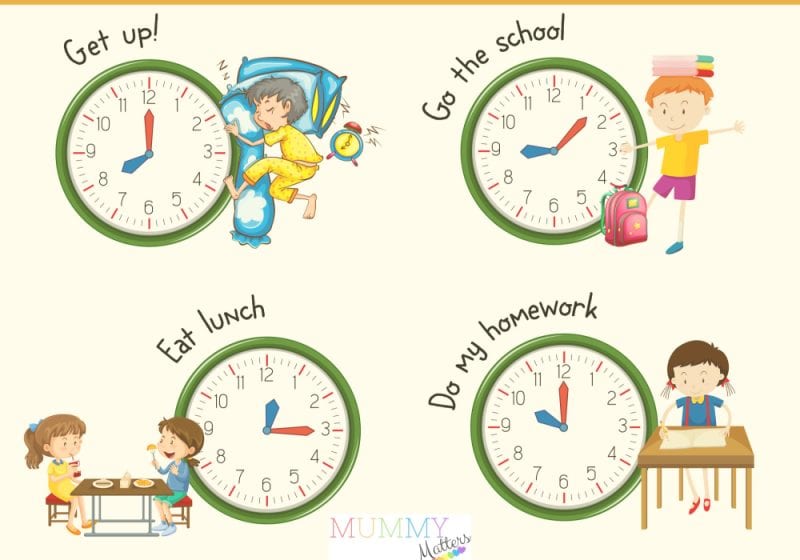
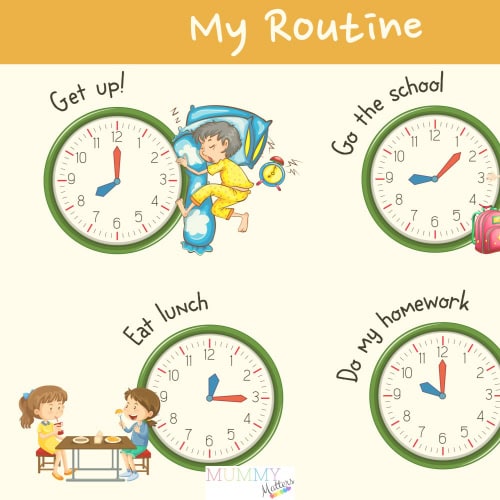
A visual routine is a visual format that uses pictures, symbols, words, or visual cards to show the sequence of activities throughout the day.
Rather than relying purely on verbal instructions, a visual schedule provides children with clear visual cues they can follow independently.
This might include:
- A morning routine chart
- A bedtime checklist
- A visual timetable for school days
- First-then boards
- Daily tasks displayed on a planner
- Timetable cards attached with velcro
Visual schedules help children understand what is happening now, what comes next, and when activities are finished.
For many families, that predictability can completely change the atmosphere at home.
Why Visual Schedules Help Children
Children often process information differently from adults. Some learners respond far better to visual processing than spoken instructions, especially during busy or overwhelming moments.
A visual schedule can:
- Promote independence
- Reduce anxiety around transitions
- Help children stay organised
- Support emotional regulation
- Foster confidence and comprehension
- Help children manage their time
- Provide structure and predictability
- Help children navigate their day more calmly
Visual aids are particularly helpful for children with autism, ADHD, sensory processing differences, speech delays, or additional learning needs. However, they can benefit almost any child.
Even older learners and young adults can benefit from a clear daily routine visual system.
According to the NHS Autism guidance, predictable routines and visual supports often help autistic children feel more secure and less overwhelmed.
How Visual Routines Support Everyday Family Life
One of the biggest benefits of a visual routine is that it removes some of the constant adult prompting that can become exhausting for parents and caregivers.
Instead of repeatedly reminding your child what to do next, the schedule becomes the guide.
Common routines families use visual schedules for
- Morning routine
- Getting dressed
- Brushing teeth
- Homework time
- Playtime
- Bedtime
- After-school activities
- Screen time limits
- Weekly chores
Many parents and educators find that visual schedules help create smoother transitions between activities like leaving the house, stopping screens, or preparing for bed.
That predictability can play a crucial role in reducing daily overwhelm.
Creating a Visual Schedule That Works for Your Child
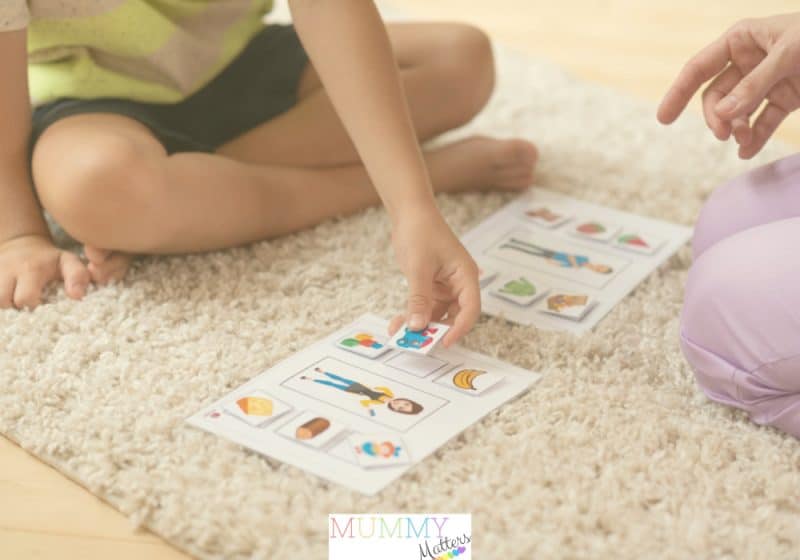
Creating a visual schedule doesn’t need to be complicated or Pinterest-perfect.
In fact, the best systems are usually the simplest ones that fit naturally into your family life.
Step-by-step guide to creating a visual schedule
1. Start Small
Choose one part of the day first.
For many families, the morning routine is the easiest place to begin because mornings often feel rushed and stressful.
2. Break Tasks Into Simple Steps
Think about the exact sequence of activities your child needs to follow daily.
For example:
- Wake up
- Use the toilet
- Get dressed
- Eat breakfast
- Brush teeth
- Put shoes on
- Get school bag
Young children often need far more detailed breakdowns than adults realise.
3. Use Clear Visuals
You can use:
- Photos
- Drawings
- Symbols
- Printable worksheet templates
- Magnetic boards
- Apps
- Visual cards
Children understand routines more easily when visuals are simple and consistent.
4. Personalise the Schedule
Every child’s needs are different.
Some children may prefer real photos, while others respond better to illustrated visual timetable cards.
You may need to customise colours, layouts, or sensory elements depending on your child’s preferences and visual processing style.
5. Keep It Visible
Place the schedule somewhere easy to see:
- Bedroom wall
- Kitchen
- Hallway
- Bathroom
- Fridge
Children are more likely to follow daily routines when the visual schedule becomes part of the environment.
Tips for Creating Visual Routines Successfully
Keep language simple
Too many words can feel overwhelming for younger children or children with ASD.
Use consistency
Try to follow daily routines in roughly the same order where possible.
Celebrate progress
Children often gain a real sense of accomplishment when they move a task marker or complete a checklist independently.
Adapt when needed
What works at age 4 may not work at age 10.
Good visual schedules grow with your child.
Include check-ins
Some children benefit from emotional check-ins built into their routine, especially after school or before bedtime.
Visual Routines for Children With Autism

Children with autism often find comfort in predictable structure.
A visual timetable can help reduce uncertainty and support smoother transitions between activities.
Visual schedules may support:
- Emotional regulation
- Nonverbal communication
- Auditory processing difficulties
- Independence and reducing reliance on constant adult reminders
- Time management
- Therapeutic routines recommended by a therapist or occupational specialist
The National Autistic Society explains that routine and predictability can help autistic children feel safer and more confident navigating everyday life.
Some families also use tools like:
- First-then boards
- Velcro charts
- Countdown timers
- Visual planners
- Sensory breaks built into the schedule
Printable Visual Schedule Ideas
If you’re looking for resources to help, simple printable templates can work brilliantly.
Popular options include:
- Morning routine charts
- Bedtime routine visual aids
- Weekly planners
- School preparation checklists
- Reward systems
- Homework organisers
You don’t need expensive resources to help children engage with routines successfully.
Even hand-drawn pictures on paper can become a powerful tool for helping children understand expectations.
When Visual Routines Might Not Be Working
Sometimes parents feel frustrated when a visual schedule doesn’t immediately solve behaviour challenges.
That’s completely normal.
Children may need time to learn how to use the routine consistently.
A few common reasons routines struggle include:
- Too many tasks at once
- Visuals being too complicated
- Expectations changing constantly
- The routine not matching the child’s developmental stage
- Sensory overwhelm
- Lack of consistency
If routines continue to feel difficult, speaking with an educator, health visitor, SENCO, or occupational therapist may help identify additional support strategies.
The NHS child development guidance also offers useful information about communication and developmental milestones.
Realistically, Will Visual Routines Make Family Life Easier?
In many cases, yes — but not overnight.
Visual schedules are not magic fixes, and some days will still feel chaotic because, well… children are children.
But over time, many families notice:
- Fewer arguments
- Smoother transitions
- Less shouting
- More independence
- Reduced stress for parents and caregivers
- Better understanding of expectations
For busy family life, that can be invaluable.
FAQ: Visual Routines for Children
What is a visual routine for children?
A visual routine is a schedule that uses pictures, symbols, or written steps to help children understand and follow daily activities independently.
Why does a visual schedule help children?
A visual schedule provides structure, predictability, and visual cues that help children understand what happens next, which can reduce anxiety and improve independence.
Are visual routines only for children with autism?
No. While children with autism often benefit greatly from visual supports, visual routines can help many children manage transitions, organise tasks, and follow daily routines more confidently.
How can I create a visual routine at home?
Start small by choosing one routine, such as getting ready for school. Break tasks into simple steps and use clear visuals your child can easily understand.
What age should children start using visual schedules?
Visual schedules can be introduced from toddler age and adapted as children grow. Older learners and teenagers may still benefit from planners and structured visual routines.
When should I worry about my child struggling with routines?
If daily routines consistently cause distress, meltdowns, or significant anxiety, it may help to speak with a GP, educator, therapist, or health professional for further support.
Conclusion
Visual routines for children can be one of the simplest yet most effective ways to bring more calm and structure into family life.
They help children understand expectations, foster independence, and make everyday tasks feel more manageable — both for children and exhausted parents trying to juggle everything else.
The key is to keep things realistic, flexible, and tailored to your child’s individual needs.
Some routines will work beautifully. Others may need adapting. That’s completely normal.
Like most things in parenting, progress usually happens little by little.