
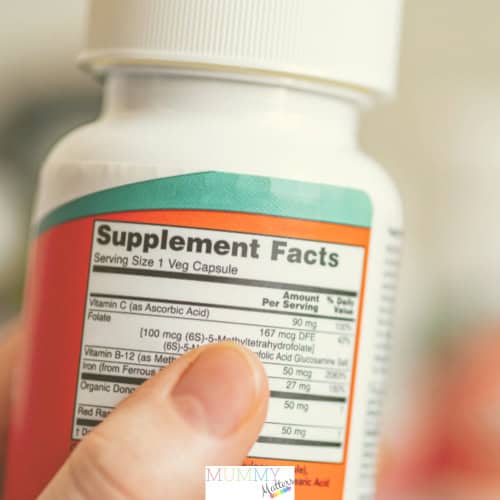
Knowing how to read supplement labels is one of the most underrated health skills you can have. In the crowded world of powders, capsules, gummies, and liquids, the front of the bottle often tells a very different story from what’s hidden on the supplement facts label.
If you’ve ever felt confused by dosage numbers, proprietary blends, or bold absorption claims, you’re not alone. Many supplements are marketed to look impressive while delivering very little where it actually counts.
This guide will help you read supplement labels like a pro, understand the nutrition facts, and spot common marketing tricks — whether you’re buying UK or US products.
Why Learning How to Read Supplement Labels Matters

Dietary supplements are not regulated in the same way as foods and beverages or prescription medicines. That means:
- Many supplements rely heavily on marketing language
- Potency and purity can vary widely
- Labels may be technically legal but still misleading
Knowing how to read a supplement label allows you to:
- Make informed decisions
- Avoid overdosing or underdosing
- Compare products accurately
- Choose a quality product that actually delivers benefits
Nutrition Facts vs Supplement Facts: What’s the Difference?
When you read food labels, you’ll usually see a nutrition facts label. Supplements, however, use a supplement facts label, which follows a different set of rules.
Nutrition Facts Label (Food Labels)
Used for foods and beverages, this label shows:
- Calories per serving of food
- Macronutrients (fat, protein, carbohydrates)
- Saturated fat, dietary fiber, and added sugars
- Percent daily value based on a standard diet
Supplement Facts Label (Dietary Supplements)
Used for dietary supplements, this label includes:
- Active ingredient amounts
- Vitamin and mineral content
- Serving size and number of servings
- Percent daily value (DV), where applicable
Understanding this difference is essential when navigating the world of supplement labels.
Step-by-Step: How to Read a Supplement Label Properly

1. Start With the Serving Size (This Is Where Dosage Games Begin)
The serving size is one of the most manipulated parts of supplement labels.
Manufacturers may:
- Use a very small serving to make numbers look safer
- Require multiple capsules per serving
- Split a daily dosage across several servings
Always check:
- Serving size
- Number of servings
- Servings per container
For example, if one serving equals 3 capsules, but you only take one capsule, you’re only getting a third of the stated dosage.
2. Look at the Active Ingredient and Potency
The active ingredient is the substance responsible for the supplement’s effect. Always check:
- The exact amount listed
- Whether it’s measured in milligram, microgram, or international units
- Whether the form is bioavailable
Potency matters more than branding. Many supplements list impressive ingredients but include them in tiny amounts.
3. Understand Daily Values (DV) and Percent Daily Value
The daily values (DV) help you understand how much a nutrient contributes to your daily needs.
- Percent daily value shows the percentage of DV per serving
- 5% DV or less is considered low
- 20% DV or more is considered high
Not all dietary ingredients have an established DV, so some nutrients may list “DV not established”.
Common Marketing Tricks Hidden on Supplement Labels

Dosage Games
Many supplements rely on:
- Underdosed formulas
- Multiple capsules to reach “clinical” doses
- Inflated percentages based on tiny serving sizes
A supplement contains impressive numbers only if you actually consume the full serving.
Proprietary Blends (A Major Red Flag)
A proprietary blend allows manufacturers to list ingredients without disclosing exact amounts.
This makes it impossible to:
- Know the amount of each vitamin or mineral
- Compare products accurately
- Assess purity and potency
If transparency matters to you, avoid proprietary blends whenever possible.
Absorption and “Bioavailability” Claims
Phrases like:
- “Enhanced absorption”
- “Maximum bioavailability”
- “Clinically proven delivery”
Sound impressive — but often lack supporting data.
Look for:
- Specific compound forms (e.g. magnesium glycinate vs magnesium oxide)
- Reference to a certificate of analysis
- Third-party testing confirmation
Fillers, Binders, Additives and Allergens
Turn the bottle over and list the ingredients carefully.
Common non-active ingredients include:
- Fillers
- Binders
- Sweetener
- Flavoring
- Additive compounds
Also check for:
- Allergen warnings
- Genetically modified organisms (GMOs)
- Use of any genetically modified ingredients
- Whether ingredients are grown without the use of synthetic pesticides
Many supplements contain more inactive ingredients than active ones.
Third-Party Testing and Certificates of Analysis
A certificate of analysis (COA) confirms:
- Purity
- Potency
- Absence of contaminants
Trusted third-party testers include:
- NSF
- USP
- Informed Sport (especially for athletes)
If a company doesn’t provide testing information, that’s worth questioning.
Expiration Dates Matter More Than You Think
Always check the expiration date.
Over time:
- Vitamins degrade
- Oils oxidise
- Potency drops
Expired supplements may be ineffective — or in some cases unsafe.
UK vs US Supplement Labels: Key Differences
United Kingdom
- Regulated under food supplement regulations
- Health claims tightly controlled
- Generally lower permitted dosages
- Products often focus on safety margins
United States
- Regulated as dietary supplements
- Overseen by the Food and Drug Administration
- Higher allowable dosages
- More aggressive marketing claims
A product’s label indicates where it was manufactured — and that affects formulation.
Frequently Asked Questions About Reading Supplement Labels
How do I know if a supplement is overdosed?
Check the percent daily value and compare it with established safe upper limits. More is not always better.
Are gummies less effective than capsules?
Often yes. Gummies frequently contain added sugars, lower potency, and more fillers.
Should I trust “natural” on a supplement label?
“Natural” is not a regulated term. Always verify the ingredient list.
Do I need supplements if I eat well?
Many supplements can help fill gaps, but always consult a healthcare professional before starting supplement use.
Final Thoughts: Reading Supplement Labels Like a Pro
Knowing how to read supplement labels empowers you to:
- Know what you’re putting into your body
- Avoid marketing hype
- Choose supplements that genuinely support maintain a healthy lifestyle
In the end, the facts label tells the truth — not the front of the bottle.
Further Reading
Harvard T.H. Chan – Dietary Supplements • The Nutrition Source