
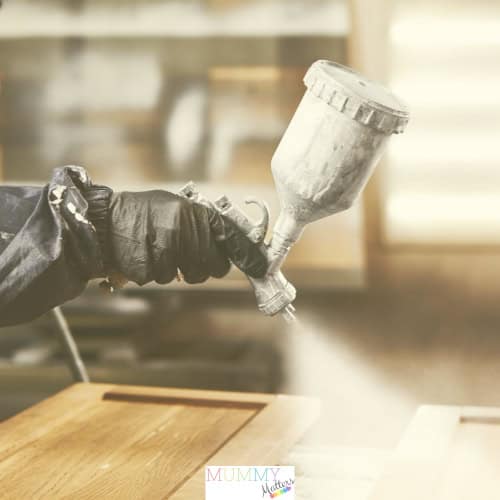
A paint sprayer can save time and create a smooth, even finish that brushes and rollers often miss. Choosing the right one, however, depends on how it will be used and what results are expected. Many first-time users find that different sprayer types and features affect performance more than they realize. Knowing the key factors before buying helps avoid frustration and wasted effort.
This guide highlights what to think about before making a purchase. It covers ease of cleaning, sprayer types, size, pressure, spray control, and cost. By understanding these basics, anyone can select a tool that fits their home projects and delivers consistent, clean results every time.
1. Evaluate ease of cleaning and maintenance requirements

Easy cleaning and maintenance extend the life of a paint sprayer. Buyers should check how quickly parts come apart and whether replacement components are simple to find. Complicated systems lead to longer downtimes and higher repair costs.
An electric paint sprayer often includes removable nozzles and filters. These features save time after each project and prevent color mixing from leftover paint. Before purchase, users should confirm that the spray tip and pump clean easily after thick coatings like latex.
For frequent projects, a model with clear maintenance instructions and available replacement parts offers smooth operation. Some products are designed with simple flush systems that reduce clogging. A buyer who understands upkeep demands will keep the tool performing efficiently and avoid unnecessary service delays.
2. Understand the difference between airless, HVLP, and compressed air sprayers
Airless sprayers push paint through a small tip at high pressure, usually over 1,000 PSI. This system covers large surfaces quickly and works well for walls, fences, and ceilings. However, it produces more overspray and needs more cleanup time.
HVLP sprayers, or high volume low pressure types, use a turbine or compressor to move paint at a much lower pressure. They deliver a softer, more controlled spray that reduces waste. This makes them better for trim, furniture, and smaller indoor projects.
Compressed air sprayers rely on an air compressor that mixes air with paint to create a fine mist. They give a smooth finish that suits cars or cabinets, though they often use more paint. Each sprayer type fits different tasks, so buyers should match the tool to their project size and desired finish.
3. Match sprayer size and pressure settings to your project type
Different projects require different sprayer sizes and pressure levels. A large wall or exterior surface usually needs a sprayer with higher flow and more pressure to handle thick paints and cover wide areas quickly. Smaller furniture or trim work benefits from a model that sprays at lower pressure for better control and a smoother finish.
Each type of paint or stain also affects pressure choice. Thicker coatings like latex need more power, while thin stains or sealers spray best at lower pressure. Testing the spray pattern on scrap material before starting helps find the right balance.
The goal is even coverage without overspray or uneven spots. Proper pressure reduces waste and produces cleaner lines. Buyers should check the sprayer’s manual for pressure recommendations that match their paint type and project size.
4. Consider whether you need a handheld sprayer or a larger unit
A handheld paint sprayer suits small or medium projects such as furniture, fences, or trim. It offers easy setup and quick cleanup, which appeals to homeowners who value convenience. Because it is lightweight, they can move it easily without extra equipment.
A larger sprayer, such as an airless or stationary unit, handles broad surfaces faster. It works better for full room renovations, exterior walls, or decks. Although it may require more preparation, it provides stronger output and more consistent coverage.
Buyers should also think about storage space and frequency of use. A handheld model fits well in a small garage, while a larger device might need a dedicated area. Therefore, the size and scope of future projects often decide which type of sprayer makes the best sense for long-term home use.
5. Check compatibility with types of paint or stain you plan to use
Before buying a paint sprayer, it helps to know what kind of paint or stain will go through it. Different sprayers handle different materials, and some work better with thinner stains while others suit thicker paints. Using the wrong match can clog the nozzle or lead to an uneven finish.
Buyers should read the sprayer specifications to confirm what materials it supports. Manufacturers often list whether the tool works with water-based paints, oil-based paints, or wood stains. This step saves frustration later and prevents equipment damage.
It also makes sense to test a small amount before beginning a large project. If the spray pattern looks uneven or the stain splatters, adjustments or thinning might be needed. Paying attention to compatibility helps users finish the job faster and with cleaner results.
6. Look for adjustable spray patterns and flow controls
A good paint sprayer should let users change the spray pattern and flow rate with ease. Adjustable settings help control how much paint leaves the nozzle and how wide the spray spreads. This flexibility allows better results on different surfaces like walls, trim, or furniture.
Most models let users switch between fan, round, or oval spray shapes. Each shape suits a specific task. For example, a wide fan covers large areas quickly, while a narrow stream works better for small or detailed spots.
Flow controls also affect paint coverage and consistency. Lowering the pressure prevents overspray and waste, while increasing it helps cover surfaces faster. With the right balance, users can reduce splatter and get a smooth, even finish. Adjustable controls make the tool easier to handle and more efficient for all kinds of home painting projects.
7. Assess budget including upfront cost and ongoing consumables
Before purchasing a paint sprayer, buyers should calculate both the upfront cost and the future expenses that follow. The upfront cost includes the price of the sprayer as well as any required accessories such as hoses, filters, or nozzles. These items can raise the total starting price more than expected.
Beyond the purchase, it helps to consider ongoing costs. Consumables such as paint, thinner, and cleaning materials need regular replacement. Over time, these items influence how affordable the sprayer truly is.
A clear budget plan helps avoid surprise expenses later. Buyers can compare models, estimate supply needs, and see how often maintenance or replacements occur. Through this approach, they make a purchase that matches both their current budget and long-term use.
Conclusion
A paint sprayer can save time and provide a smooth, even finish, but it also requires practice and preparation. Homeowners should compare types, such as airless or HVLP, and match them to the scale of the project. Choosing the right nozzle size and pressure level helps avoid wasted paint and uneven results.
Setup and cleanup take discipline, and skill grows with use. Those new to paint sprayers may want to test on small surfaces first to adjust technique and reduce overspray.
Before buying, it helps to weigh cost, frequency of use, and desired finish quality. With the right research and care, a paint sprayer can become a practical tool for many home projects.