
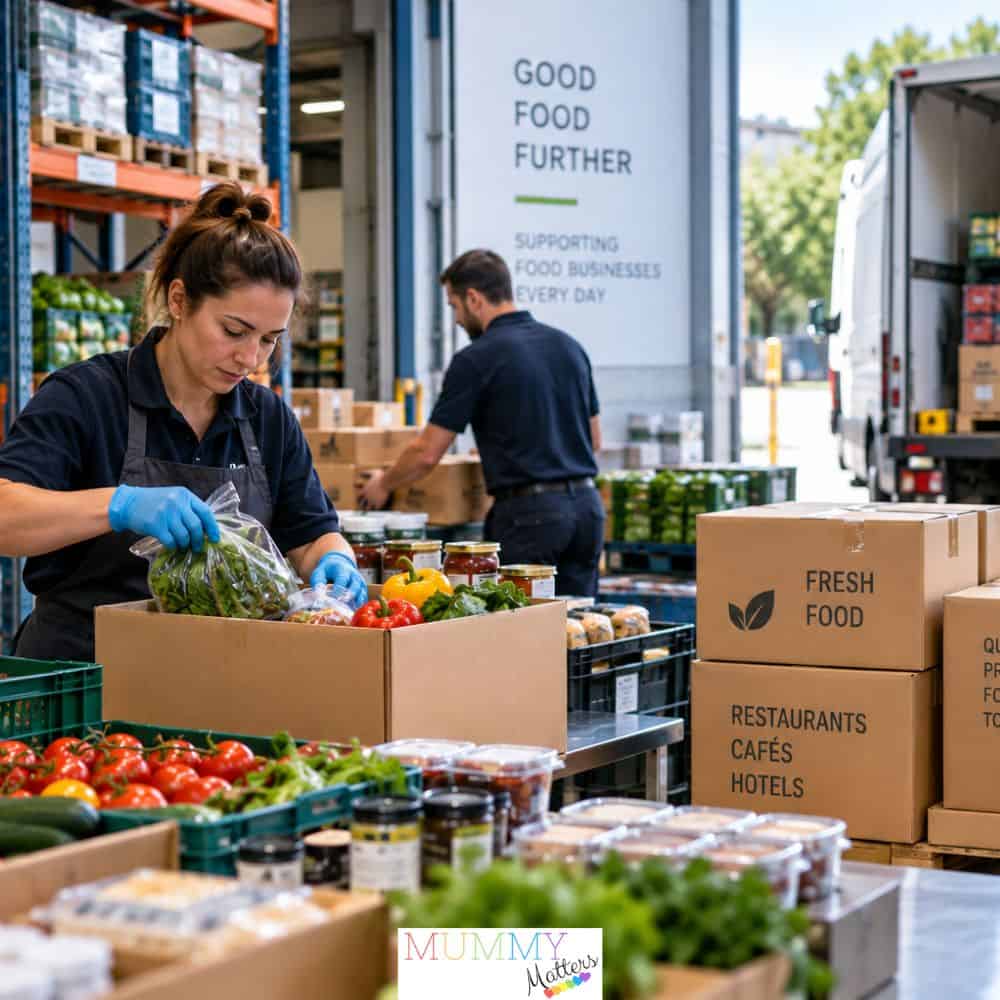
Food distribution methods play an essential role in getting products from manufacturers and producers into the hands of customers. However, there isn’t a single approach that works for every food business. Understanding the different food distribution methods can help businesses choose an option based on what they sell, how much they produce, where their customers are located and whether they want to sell directly to consumers or through retailers and food service businesses.
Some companies work with wholesalers and established distribution networks to reach a large number of customers, while others choose direct-to-consumer sales for greater control over pricing, branding and customer relationships.
Below, we look at six common food distribution methods, including wholesale, direct-to-consumer, food service, private label, speciality and broadline distribution, along with some of the advantages and potential drawbacks of each.
Editor’s Note: This article was originally published in November and has since been reviewed and updated to provide more detailed, current information about food distribution methods, including the advantages and considerations of different distribution models.
Work With a Wholesale Food Distributor
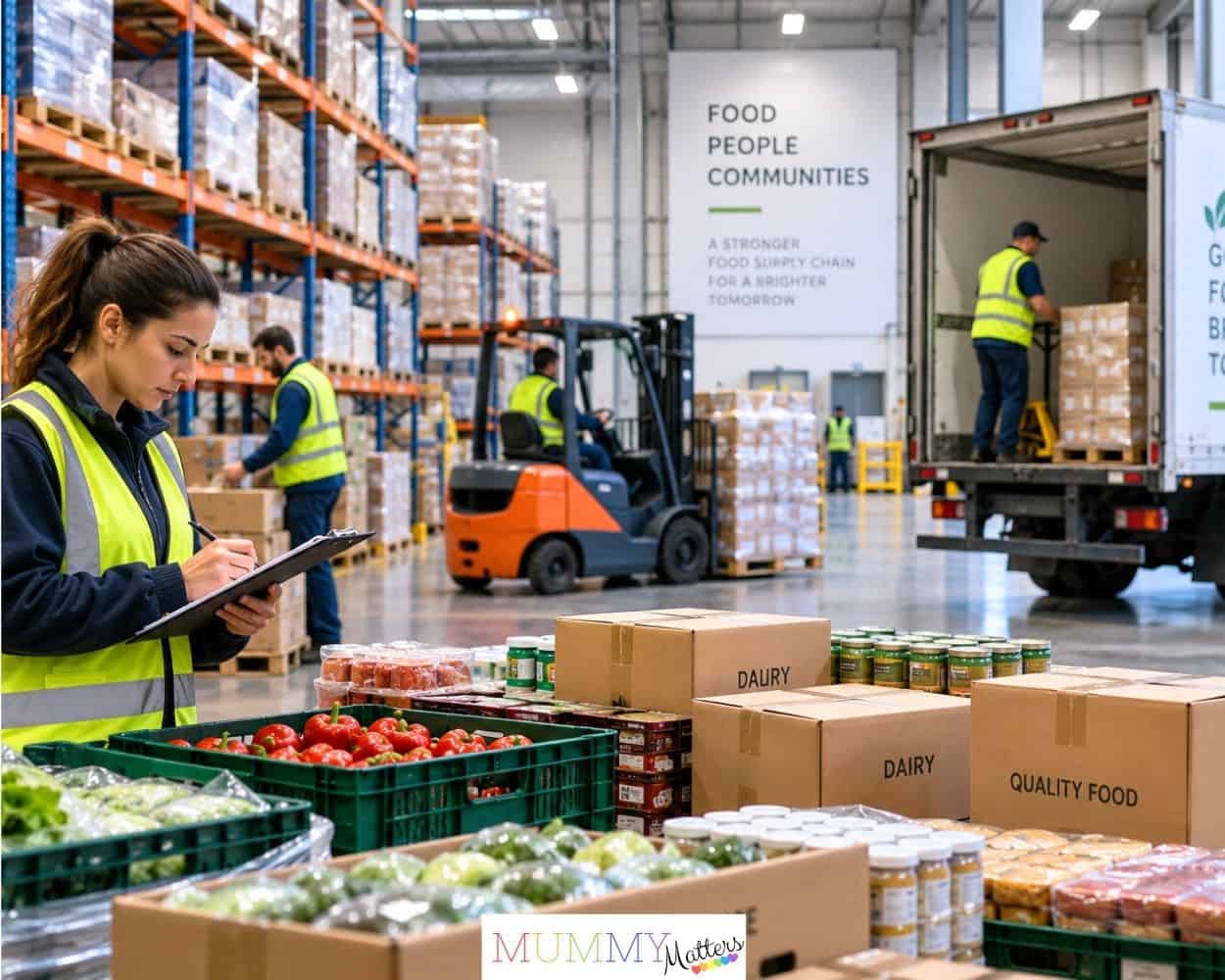
Working with a wholesale food distributor is one of the most established ways for food manufacturers and producers to get their products into shops and other businesses. Rather than selling individual products directly to customers, wholesalers typically purchase or distribute goods in larger quantities before supplying them to retailers in the volumes they need.
One of the main advantages of wholesale distribution is access to an existing network of buyers. For a growing food business, this can make it easier to reach more retailers without having to manage every sales relationship and delivery independently.
There are trade-offs to consider, however. Using a distributor can reduce the amount of control you have over pricing, presentation and your relationship with the end customer. Distributor margins and other costs also need to be factored into your pricing strategy.
For smaller businesses, factors such as minimum order quantities can also influence which suppliers and wholesale arrangements are practical, particularly when trying to avoid tying up money in excess stock.
Wholesale distribution can therefore be particularly useful for food businesses that have moved beyond small-scale production and want to increase their retail reach without building their own large distribution operation.
Direct-To-Consumer Food Distribution
Direct-to-consumer (DTC) distribution allows food producers to sell directly to their customers rather than relying on wholesalers or retailers. This might be through the company’s own website, an online marketplace, subscription service, social commerce or even a physical farm shop or other direct sales outlet.
One of the biggest advantages of this model is control. Businesses can manage their own pricing, branding and promotions while developing a direct relationship with their customers. It can also provide valuable insight into which products customers buy, how frequently they order and what encourages them to return.
However, selling directly also means taking responsibility for tasks that a distributor or retailer might otherwise handle. These can include marketing, order processing, packaging, storage, delivery and customer service. For food businesses, maintaining appropriate storage conditions and getting perishable products to customers safely and efficiently can add another layer of complexity. For products that need to remain fresh during delivery, packaging, temperature control and delivery speed can be particularly important considerations.
Direct-to-consumer distribution can work particularly well for smaller or specialist food brands that want to build a loyal customer base, as well as established producers looking to add another sales channel alongside wholesale or retail distribution.
Food Service Distribution
If you produce food products meant to be consumed in restaurants or other food service establishments, working with a food service distributor can provide an effective route to market. Foodservice distributors supply products to businesses such as restaurants, hotels, cafés, caterers and other hospitality operators.
One of the main advantages of using a food service distributor is that they already have established relationships with businesses throughout the hospitality sector. This can make it easier for manufacturers and producers to get their products in front of potential commercial customers without having to build every relationship independently.
For example, many large bakery manufacturers, such as Finsbury Food Group, rely on these distribution networks to supply fresh goods to supermarkets and food service channels daily.
There are costs associated with using this type of distribution network, and businesses need to consider distributor margins alongside storage, transportation and other supply-chain expenses. However, for producers supplying food in significant volumes, access to an established distribution network can make reaching restaurants and other food service customers considerably more efficient.
Private Label Food Distribution
Private label food distribution involves a manufacturer producing food products that are sold under another company’s brand, such as a supermarket’s own-label range. Although private labelling is technically a production and branding arrangement rather than a distribution method in itself, it can provide manufacturers with an important route into the retail market.
One of the main advantages for food producers is the potential to secure larger or more consistent orders by supplying established retailers. The retailer already has stores, customers and a distribution network in place, allowing the manufacturer to concentrate more heavily on production rather than building a consumer brand from scratch.
There are disadvantages to consider. Retailers may have strict requirements covering product specifications, packaging, pricing, food safety and delivery, and manufacturers can become reliant on a relatively small number of large customers. Producing goods under somebody else’s brand also means the manufacturer receives less consumer recognition for the products it makes.
For businesses with the capacity to produce food consistently at the required scale and standard, however, private label agreements can provide valuable access to established retail distribution networks.
Specialty Food Distribution
Speciality food distributors focus on products that may not fit naturally into mainstream wholesale or broadline distribution. These can include artisan foods, premium products, regional specialities, organic ranges and foods designed for particular dietary requirements or niche markets.
One of the main benefits of working with a specialist distributor is their knowledge of the market they serve. They may already have relationships with independent food shops, delicatessens, farm shops, specialist retailers, restaurants and other businesses looking for distinctive products. This can help smaller food brands reach relevant buyers without competing solely for space within large mainstream retail channels.
The potential drawback is reach. A specialist distributor may have a smaller customer network than a large wholesaler or broadline distributor, and distribution costs can sometimes be higher when products are supplied in lower volumes or require particular handling or storage conditions.
For artisan producers and businesses selling premium or niche food products, however, a smaller but highly relevant distribution network can sometimes be more valuable than reaching a much larger general audience.
Broadline Distributors
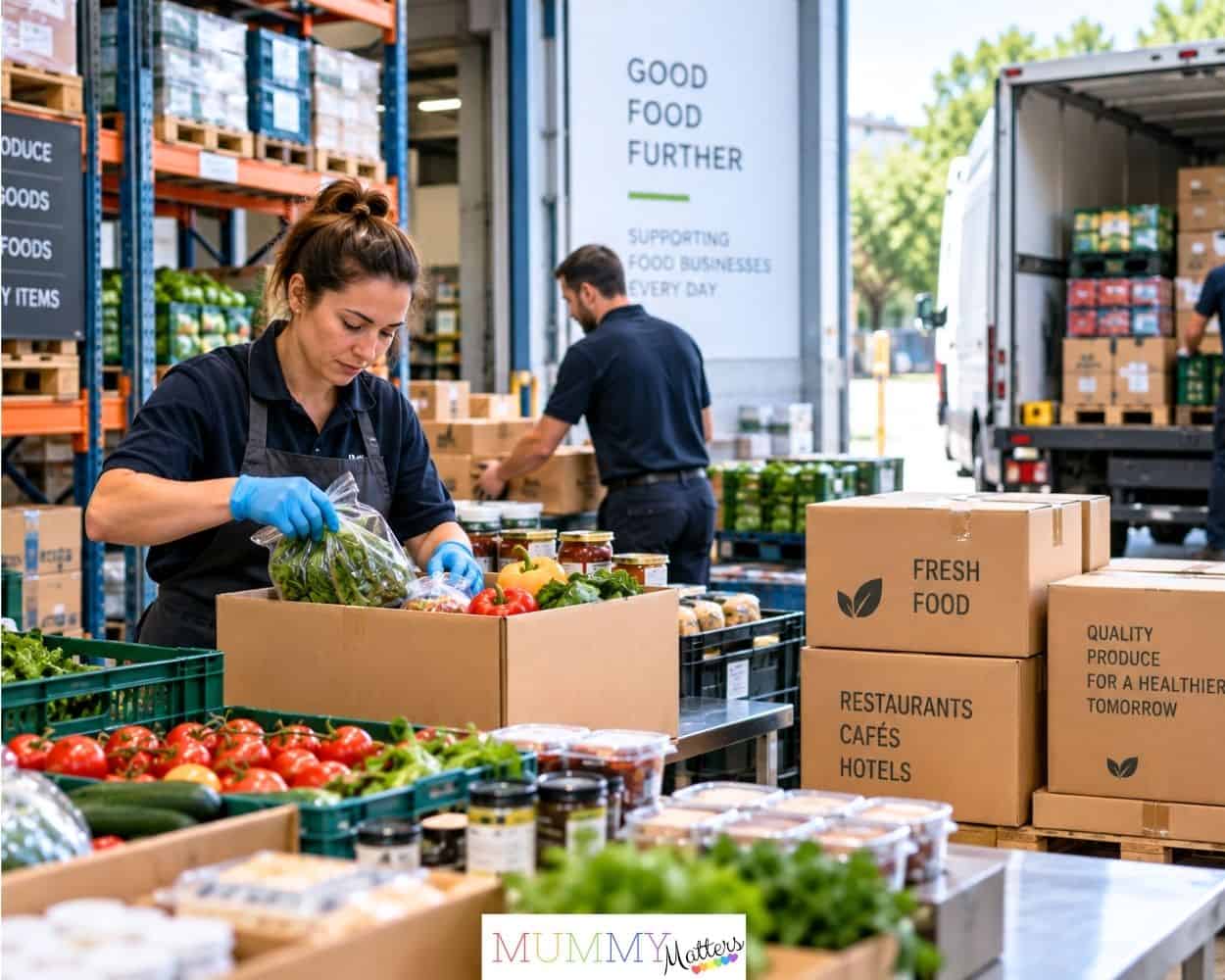
Broadline distributors supply a large range of food and related products to businesses such as restaurants, hotels, schools, healthcare facilities and other food service operators. Rather than specialising in one particular type of product, they typically offer customers access to many different categories through a single supplier.
For food producers, one of the biggest advantages of working with a broadline distributor is scale. Their established logistics networks, warehouses and customer relationships can provide access to a much larger market than a business might be able to reach independently. For their customers, broadline distribution also offers convenience because multiple products can be ordered through the same supplier.
However, gaining access to a large distribution network doesn’t automatically guarantee strong sales. Smaller brands may find themselves competing with many similar products, while distributors may have requirements relating to minimum volumes, pricing, packaging and reliable supply.
Broadline distribution is therefore generally better suited to producers that can manufacture consistently at scale and meet the logistical demands of supplying a large distribution network.
Comparing Food Distribution Methods
The right distribution model depends on your products, production capacity, target customers and business goals. This quick comparison highlights some of the main differences between the six options.
| Distribution option | Best suited to | Main advantage | Main consideration |
|---|---|---|---|
| Wholesale | Growing food brands | Access to established retailers | Lower margins and less control |
| Direct-to-consumer | Small, specialist and consumer-led brands | Greater control and customer relationships | You manage fulfilment and marketing |
| Food service | Producers supplying hospitality businesses | Established commercial customer network | Distributor and logistics costs |
| Private label | Manufacturers able to produce at scale | Access to established retail brands | Less brand recognition and retailer dependence |
| Speciality | Artisan, premium and niche producers | Highly targeted customer base | Smaller overall reach |
| Broadline | Larger, scalable producers | Extensive distribution network | Greater competition and volume requirements |
Which Food Distribution Method Is Right for Your Business?
Choosing the right food distribution method depends on the type of products you produce, the customers you want to reach and the scale of your operation. A small artisan producer selling specialist products may have very different distribution needs from a manufacturer supplying thousands of products to supermarkets, restaurants or other food service businesses.
Direct-to-consumer distribution can provide greater control over branding, pricing and customer relationships, while wholesale, food service and broadline distributors can help businesses reach established networks of commercial buyers. Private label arrangements can provide access to major retailers, while speciality distributors may be better suited to niche or premium products.
It is also possible to use more than one distribution channel. A food brand might sell directly to consumers through its own website while also supplying independent retailers through a wholesaler or working with a distributor to reach restaurants and hospitality businesses.
Before choosing a distribution partner, consider the costs involved, minimum order requirements, geographical coverage, storage and transportation needs, expected sales volumes and how much control you want to retain over your brand and customer relationships. The best option isn’t necessarily the distribution network with the greatest reach, but the one that connects your products with the right customers while remaining commercially sustainable for your business.
Frequently Asked Questions About Food Distribution
What are the main methods of food distribution?
Common food distribution methods include wholesale, direct-to-consumer, food service, speciality and broadline distribution. Food manufacturers may also produce private label products for retailers. The most suitable option depends on factors such as production volume, target customers, storage requirements and the geographical area a business wants to serve.
What is the difference between a wholesaler and a food distributor?
Wholesalers typically buy products in bulk and sell them in smaller quantities to retailers or other businesses. Food distributors can have a broader role, potentially working closely with manufacturers and handling elements such as warehousing, transportation, order fulfilment and relationships with commercial customers. In practice, there can be considerable overlap between the two.
Can a food business use more than one distribution channel?
Yes. Using several distribution channels can allow a food business to reach different types of customers. For example, a producer might sell directly to consumers online, supply independent shops through a wholesaler and work with a food service distributor to reach restaurants and hospitality businesses. The important consideration is whether the business has sufficient production and logistical capacity to manage each channel effectively.
How do you choose a food distributor?
When comparing food distributors, consider which customers and geographical areas they serve, their experience with your type of product, distribution costs, minimum volume requirements and their storage and transportation capabilities. Businesses selling chilled, frozen or other perishable foods should also establish whether a potential distributor can maintain the appropriate conditions throughout storage and delivery.