
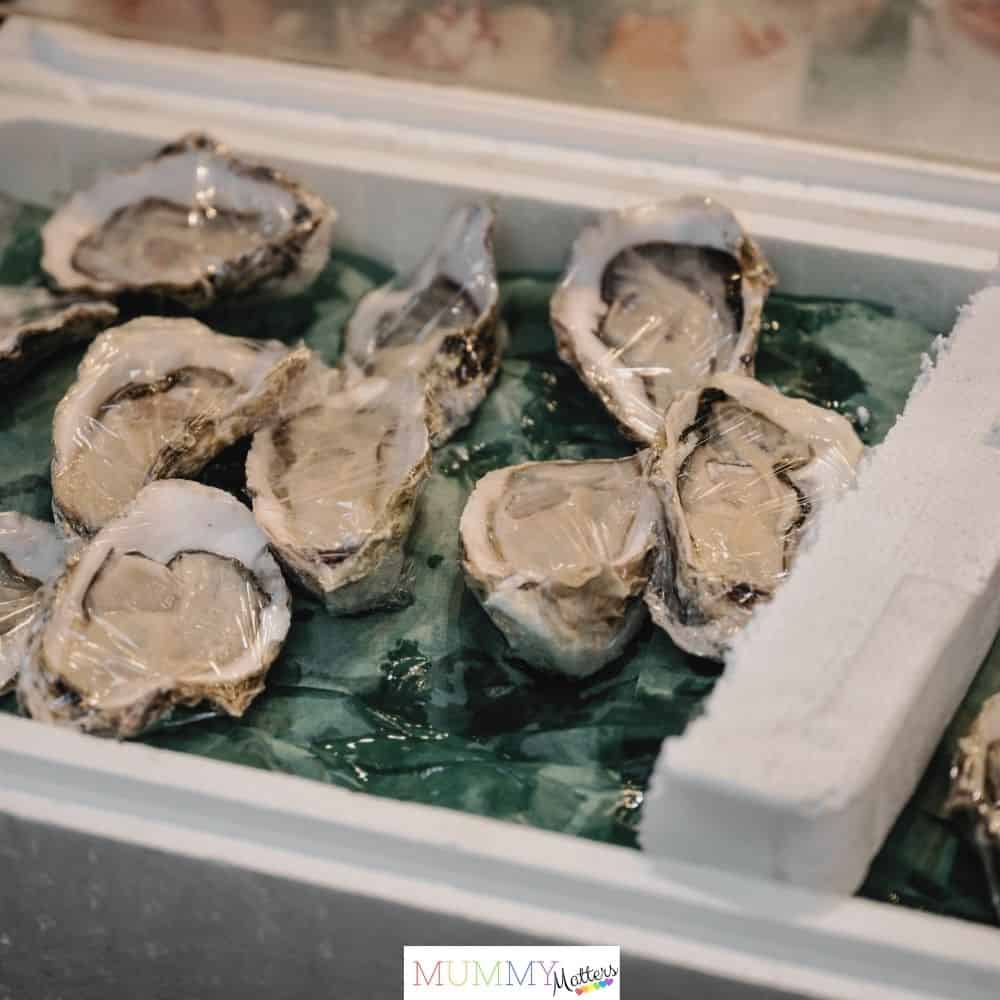
Fresh shellfish arriving at your door may seem unlikely, but it happens every day across the country. Plenty of buyers worry that a long trip ruins texture, taste, or safety. Here’s the good news: careful handling keeps crustaceans and mollusks both alive and tasty. This piece breaks down the science, the packing methods, and the exact conditions that keep seafood at restaurant quality after a long haul.
The Biology Behind Survival

Shellfish handle shipping well because their bodies can tolerate cool, damp conditions for hours. When chilled, lobsters, crabs, oysters, and clams slow their metabolism sharply, which cuts their oxygen needs. A resting animal burns little energy and creates far less waste in transit.
Temperatures around 40 degrees Fahrenheit ease these creatures into a drowsy, barely active state. Suppliers who let people order live Maine lobsters shipped count on that dormancy to keep their stock healthy across state lines. Gills stay moist, so a little breathing continues even out of water. That built-in toughness lets many species last 24 to 36 hours without real stress, provided the packing is done right.
Packaging That Protects Quality
Smart packing decides whether shellfish land in top shape or not. Insulated boxes, gel ice packs, and damp seaweed or paper keep humidity steady throughout the trip. Together these materials keep temperatures level while padding fragile shells against jostling, which stops cracking and keeps the animals settled over the whole overnight trip.
Insulation and Cooling
Thick-walled foam coolers stop heat from creeping in through the outside air. Solidly frozen gel packs keep the inside temperature steady for hours. Leaving a gap between the coolant and the animals prevents direct freezing, which would damage living tissue.
Moisture Control
Damp bedding recreates the ocean setting shellfish rely on. Seaweed, wet newspaper, or a moistened cloth locks humidity around the gills. That dampness lets the creatures breathe faintly and keeps them from drying out inside the sealed box.
Speed Matters More Than Distance
How long a package spends in transit affects quality far more than how far it goes. A box that crosses several states overnight often beats one held up locally for a couple of days. Trusted shippers book late pickups and promise morning delivery, tightening the window when temperatures could rise.
Airfreight and priority ground routes help seafood companies reach faraway buyers fast. Tracking systems catch any delays, allowing staff to step in before problems arise. Quicker transit means less strain on the animals, so they arrive lively and strong.
Checking Freshness on Arrival
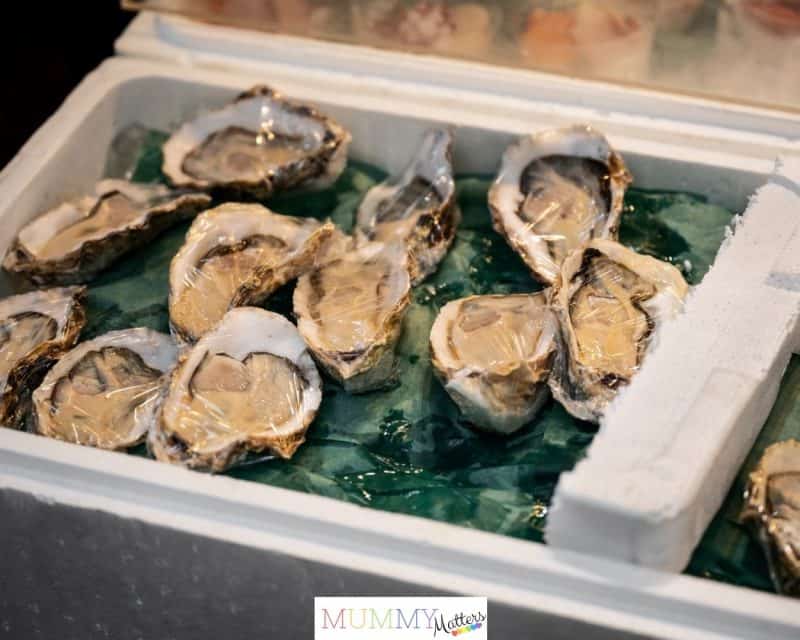
You can gauge quality within minutes of opening the box. Healthy lobsters should kick their legs and curl their tails once handled. Oysters and clams should stay clamped shut or close up slowly when you tap them.
A clean, briny ocean smell tells you the stock is fresh. A sharp, foul odor means the animal has died and needs tossing. Running these fast checks safeguards both flavor and food safety before any cooking starts.
Signs of a Healthy Delivery
Active movement, closed shells, and a gentle sea smell all signal a job well done. Cold packaging that arrives intact shows the temperature stayed within range. Anyone who sees sluggish or gaping specimens should contact the supplier immediately.
Storage Before Cooking
Good handling after the box arrives locks in the freshness that shipping has fought to protect. Keep shellfish in the refrigerator, and never dunk them in fresh water, which kills saltwater species fast. A damp towel draped over them keeps the gills moist until it’s time to cook.
Live seafood usually tastes its best when cooked within a day of landing. Storing the container cold and loosely covered lets the animals keep breathing. Cooking them promptly gives you sweet, tender meat that rivals any coastal restaurant.
Data That Builds Confidence
Industry numbers point to survival rates above 95 percent when shippers stick to temperature and timing standards. Cold-chain research confirms that steady chilling stretches viability well past a single night. Figures like these explain why mail-order seafood has become a market people genuinely trust.
Demand keeps climbing as delivery technology gets sharper. Better insulation, smarter routing, and live tracking trim losses year after year. That kind of progress hands inland shoppers reliable access to shellfish once reserved for coastal towns.
Conclusion
Live shellfish really can survive overnight shipping with their quality intact, as long as suppliers follow proven methods. Cold temperatures, moist bedding, solid insulation, and speedy transit all pull together to shield these delicate animals. Buyers who inspect each delivery and store their seafood properly get fresh, flavorful results miles from any shore. Thanks to modern logistics, the ocean’s best catch now lands in kitchens everywhere, tasting nearly as fresh as the day it left the sea.