
Daily life now leans on the internet more than ever. It powers school projects, remote work, entertainment, and the way families stay in touch. Years ago, people managed with slower networks like 2G, 3G, or basic broadband. Those options worked then, but modern homes need something stronger. Traditional connections struggle because they were built for lighter use, while today’s routines depend on fast and steady access.
This is why many households now look toward fiber. It brings speed and stability that match the pace of busy family life. In this article, you will see why fiber is becoming a preferred choice and how it stands apart from older, traditional internet options.
Why Traditional Connections Struggle in Modern Homes

Traditional connections were created for a time when households used fewer devices. Today’s homes run multiple screens, apps, and cloud tools at once. Cable and DSL lines slow down because the bandwidth is shared, and this affects almost every daily task.
Families notice problems like:
- Freezing video calls during busy hours
- Lag during online games
- Buffering while streaming movies
- Delays that disrupt remote work
These issues become worse during peak times when many homes depend on the same network. Simple routines feel harder because the connection breaks the flow. Old systems cannot keep up with modern demands, and this creates stress inside busy households. Families now search for smoother alternatives that match the pace of their digital lifestyle.
Why Fiber Stands Out
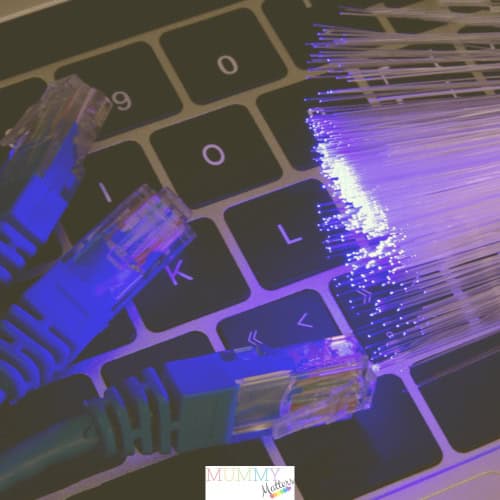
Fiber has become a natural choice for many homes because it works differently from older networks. It uses light-based signals to move data faster and more accurately, which helps the connection stay steady even during busy hours.
Finding a good connection has also become easier now. You can simply search “fiber internet in my area” to explore reliable providers, like Frontier, around you. A trustworthy provider usually offers strong customer support, clear guidance, and consistent performance.
Below are a few features that help fiber internet stand out:
● Higher Speed
Fiber sends data through light signals, which move quickly and remain consistent. This speed supports every activity at home without delays. Parents attend meetings while children study online, and both tasks run smoothly. High speed removes the waiting frustration that comes with slower lines and keeps daily routines balanced.
● Stronger Stability
Traditional connections weaken when the network is crowded. Fiber remains stable because each home receives a strong line that does not depend on shared bandwidth. This stability reduces interruptions during work hours, online classes, or calls. Families depend on it because it keeps their day moving without constant resets.
● Better Security
Fiber uses signals that are harder to tap or access without detection. This adds a solid layer of safety for homes that use smart devices, online banking, and cloud tools. Families feel safer knowing the network protects their personal information. Security also supports remote work that depends on confidential tasks.
● Good Value for Long-Term Use
Fiber helps families avoid frequent upgrades and slowdowns. It stays reliable as new apps and smart tools enter the market. This long-term value makes fiber a steady choice for families building a connected home. They enjoy a smooth experience without worrying about constant changes.
These features show why fiber matches the pace of modern homes so well. They also explain why more families now see it as a steady upgrade that supports daily life without added stress.
How Fiber Benefits Families in Everyday Life
Fiber shows its value in small moments that matter. These moments shape the feeling of comfort inside a home. Here are the areas where families see the biggest difference:
1. Smooth Video Calls With Loved Ones
Families stay connected through video calls, especially when living far apart. Fiber eliminates freezing screens and audio gaps. Conversations flow without delays, which makes long-distance bonding easier. Grandparents join celebrations, cousins talk after school, and parents share updates with relatives without repeated calls.
2. Better Streaming and Entertainment
Streaming is a big part of home life. Children watch shows, parents relax with movies, and everyone enjoys weekend family time. Fiber supports this without buffering. Even 4K content runs smoothly. Movie nights feel calm, and nobody waits for screens to load or recover from drops.
3. Reliable Support for Remote Work
Remote work depends on strong uploads and downloads. Fiber supports both with steady performance. Meetings continue without freezing. File transfers finish quickly. Parents stay focused instead of worrying about unstable calls. This calm experience reduces stress during important work moments.
4. Future-Proofing the Home
Homes now use smart cameras, speakers, thermostats, and lighting. Fiber supports these devices without strain. New gadgets join easily because the connection handles growth.
These are a few ways it benefits people living in the house and makes life easier for them.
Conclusion
Fiber matches the rhythm of modern family life. It offers speed, stability, and steady support for busy homes that depend on reliable internet. Families stay connected, productive, and relaxed when their network keeps up with their routines. This makes fiber a natural upgrade for households building a future-ready home. As more daily tasks move online, a dependable connection becomes essential. Fiber offers that dependability while keeping life simple and organised. Families choose it because it supports every moment that matters.