
A growing household can place very different demands on the electricity supply than it did only a few years earlier. Remote work, larger appliances, home entertainment and electric heating or cooling can all increase consumption. Rising energy prices make those changes more noticeable in the family budget.
Energy independence gives households greater control over where their electricity comes from, how efficiently they use it and how exposed they are to future price increases. Full self-sufficiency may not be practical for every home, but producing some electricity on-site can still make a meaningful difference.
The Realities of Modern Domestic Demand
Household electricity demand often grows gradually, so it’s easy to miss. A second refrigerator, a tumble dryer used several times a week, or two adults working from home can add hours of daily consumption. Charging personal devices and running kitchen appliances also contribute to the total.
Review several months of bills to identify seasonal patterns and compare the household’s current use with the previous year. The U.S. energy overview provides useful context on energy production and consumption, although individual household demand varies widely. A plug-in energy monitor can show which appliances use the most electricity and help you focus efficiency efforts where they’ll have the greatest impact.
Generating Electricity at the Source
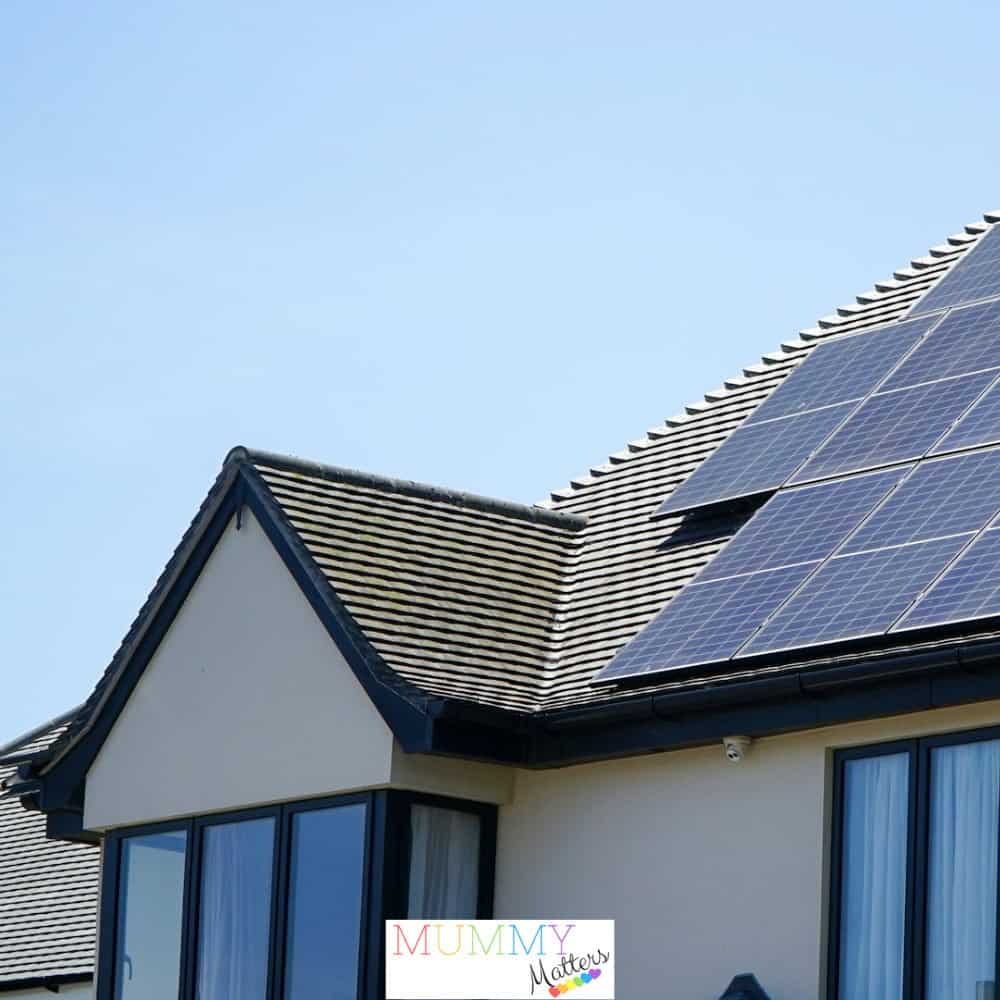
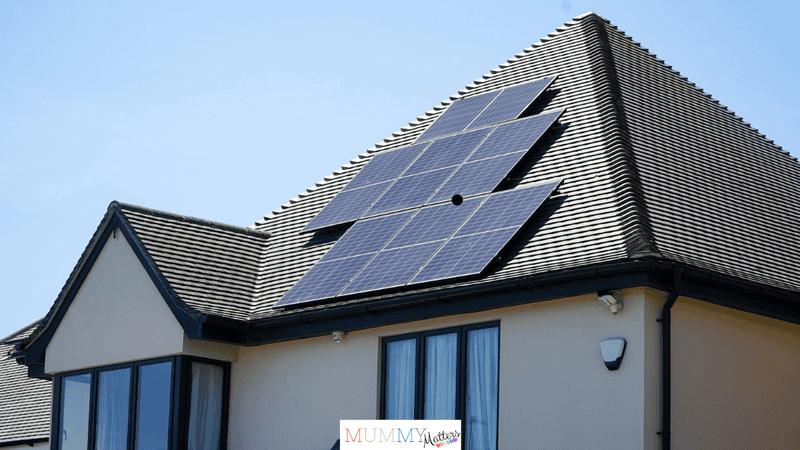
Solar photovoltaic systems let a household produce electricity where it’s used. Panels generate power during daylight hours, which can support appliances, home offices and other routine loads. Research into household electricity generation also highlights how local production can improve energy independence.
System size should reflect the property’s roof space, orientation and typical daytime consumption. Homeowners in Longford who are ready to assess their options can seek professional solar panels installation that includes system design, planning and installation. Ask for an estimate of annual generation, expected seasonal variation and maintenance needs before deciding on a configuration.
Balancing Everyday Appliance Loads
Generating electricity is only part of the picture. Using it at the right time can increase the value of every unit produced. Dishwashers, washing machines and other flexible appliances can often run during daylight hours when solar output is available. Timers or smart controls make this easier without disrupting the family routine.
Efficiency also matters. An ageing refrigerator may run for longer than expected, while a poorly maintained dryer can take several cycles to finish a load. This guide to out-of-date household appliances explains how older equipment can quietly waste money. Clean filters, check seals and compare measured consumption before replacing an appliance that still appears functional.
Gaining Long-Term Budget Stability
Energy independence can make household expenses more predictable. A solar system requires an upfront investment, but part of the home’s electricity then comes from an asset already installed on the property. This reduces what you buy from an energy supplier, especially when family routines match daytime generation.
Base any budget calculation on realistic figures. Compare the installation cost with estimated annual output, current electricity rates and likely maintenance expenses. If storage is being considered, ask how often the battery would cycle and how much generated electricity would otherwise go unused. Keep an emergency fund for repairs and review consumption each year, since a new baby, home office or electric vehicle can alter the original forecast.
The most useful starting point is a full year of electricity bills paired with an honest look at when the household uses power. Those records give installers and homeowners a sound basis for sizing a system that can support the family as its needs change.